Exercise temporarily increases DHT levels, but this is unlikely to cause significant hair loss. Finasteride and minoxidil are effective treatments to manage hair loss.
Clascoterone solution is in Phase III trials for male androgenetic alopecia, with results expected in the second half of 2025. Commercialization is anticipated in about 2-3 years, but there are concerns about delays and market expectations.
The conversation discusses the application frequency of a 1% Koshine solution for hair loss, with recommendations varying between once or twice daily. It is noted that the 1% solution is more effective than the 0.5% solution.
Hair loss treatments like finasteride, minoxidil, and RU58841 are becoming more known, but many remain unaware of their effectiveness. There is hope for future advancements despite skepticism and misconceptions about current treatments.
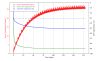
A Dutasteride Simulator predicts serum dutasteride, serum DHT, and scalp DHT levels using models from research papers. It simulates various dosing schedules to determine steady-state effects and visualizes outcomes, including hair growth-related scalp DHT suppression.
A dutasteride simulator predicts that daily 0.5 mg dosing results in higher DHT suppression compared to less frequent dosing. Twice-weekly dutasteride may be as effective as finasteride 5 mg, providing a balance between efficacy and ease of use.
A user traveled to Turkey to buy 72 packages of Dutasteride for a year-long supply and successfully brought them back home. They plan to use 2.5mg of Dutasteride daily along with RU58841 for hair loss.
A user shared progress pictures after 9 months of using 0.5mg Dutasteride and 5mg oral Minoxidil for hair loss. The conversation discusses the effectiveness of these treatments.
The conversation is about the potential cost of GT20029 if FDA approved, with estimates around $150/month. Comparisons are made between GT20029, finasteride, and their mechanisms and side effects.
A user shared a 5-month progress on finasteride and 6-month progress on minoxidil, showing significant hair regrowth. They use finasteride 1mg daily, minoxidil twice daily, Nizoral once weekly, and derma stamping once weekly.
A user did not respond to finasteride, dutasteride, and oral minoxidil for hair loss after four years of treatment and is considering scalp micropigmentation (SMP). Other users suggest the hair loss pattern may indicate alopecia areata and recommend seeing a dermatologist.
The conversation discusses the effectiveness of different concentrations and dosages of topical finasteride on scalp and serum DHT levels, comparing it to oral finasteride and noting the side effects seem to be fewer at lower dosages. Participants shared experiences and referenced a chart indicating similar scalp DHT reduction with 0.025% topical finasteride as with 1mg oral finasteride, but with fewer side effects.
Sugary beverages increase the risk of pattern hair loss in men by 57%, and type 2 diabetes is linked to female pattern hair loss. Reducing sugar intake and using treatments like finasteride and minoxidil may help manage hair loss.
A user is considering a hair transplant with Hasson & Wong but found alarming malpractice claims. Other users suggest researching other reputable surgeons like Dr. Zarev, Dr. Pittella, and Dr. Couto.
A 20-year-old with stage 3 hair loss saw good results using Topical Min 5%, Oral Fin 1mg, DHT Blocker Shampoo, and DHT blocking and Vitamin gummy. The doctor advised stopping Fin after six months due to hormone concerns, but the user is hesitant.
A user discusses starting nandrolone replacement therapy to stop hair loss and improve hair health, noting its benefits over finasteride. They report halted hair loss, improved skin, increased muscle, and a calm mood after three weeks.
User shared 3-week progress using Pyrilutamide once a day for hair loss. Another user shared their 3-month progress with 0.25% concentration Pyrilutamide, experiencing rollback of 4 years in 3 months.
User discusses Latanoprost as potential hair loss treatment and considers combining it with oral minoxidil for better results. Seeking opinions on effectiveness and expense.
The user tried Minoxidil without success, and Finasteride worked but caused sexual side effects even at a very low dose. They are seeking alternative treatments for hair loss as they cannot tolerate anti-androgens and are also in therapy for mental health.
The effectiveness of Dutasteride compared to Finasteride in treating hair loss, with evidence given such as studies and experiences, as well as discussion around whether one should switch from Finasteride to Dutasteride. There is also a discussion on post-Dutasteride syndrome.
People are discussing how to apply tretinoin to the scalp for hair loss treatment and managing scalp dryness. Specific treatments mentioned include tretinoin, minoxidil (Min), finasteride (Fin), and RU58841 (RU).
A user shared their hair loss treatment plan using Revita tablets, Sulforaphane, Minoxidil, and microneedling, avoiding finasteride due to side effects. Replies suggest that without finasteride, the plan is unlikely to be effective, and recommend either using finasteride or shaving their head.
This conversation discusses the advancements in treatments for hair loss, including finasteride, dutasteride, minoxidil and new promising treatments such as pyrilutamide and verteporfin. Other treatments discussed were taking minoxidil orally, tretinoin to turn non-responders into responders and microneedling to further boost growth.
A user's transformation from an accountant to a spartan with a full beard, discussing the potential of DUPA and alopecia areata, as well as treatments like vitamins, topicals, and natural treatments for potential regrowth.
This post and conversation are about the effects of Minoxidil on renal electrolytes transport in the Loop of Henle. The replies show a lack of interest and a brief summary stating that rectal Minoxidil electrolytes are bad.
Hair loss treatments Finasteride and Dutasteride are discussed, with emphasis on their safety and effectiveness. Users share frustration about fear-mongering and side effect discussions, suggesting trust in scientific studies and FDA approval.
The user has been using finasteride (2mg daily) to halt hair loss and is considering dermarolling with essential oils (Rosemary, Thyme, Peppermint, Tea Tree, Lavender, Jojoba) to restore the hairline. They are hesitant to use Minoxidil due to concerns about losing gains if they stop.
The conversation discusses hair loss treatments, focusing on Tsuji's hair cloning and Shiseido's RCH-01, with skepticism about their effectiveness on humans. It compares these to PRP, noting PRP's higher efficacy in studies.
Comparing the effectiveness of minoxidil 5% and adenosine 0.75% for treating male androgenetic alopecia, and measuring patient satisfaction rate; results showed that adenosine is comparable to minoxidil but provides quicker results, however availability of products with adenosine is much less than those with minoxidil.