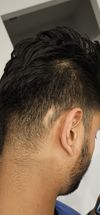
The user is considering liposomal minoxidil due to non-response and side effects from other treatments. They are exploring tretinoin with topical minoxidil as an alternative.
19 year old male's three month results from using a combination of Minoxidil, finasteride and dermarolling for hair loss. It was suggested that adding Minoxidil could help with further progress.
Oral minoxidil combined with isotretinoin may improve hair loss treatment effectiveness. Tretinoin is known to increase the absorption of topical minoxidil.
The user is using minoxidil, finasteride, and recently added tretinoin to address hair loss, specifically around a receding hairline. They are seeking advice on application methods and mention experiencing mild skin rashes potentially from tretinoin.
A user shared their significant hair regrowth progress using topical minoxidil, oral finasteride, and minoxidil chews, while transitioning to generic versions. They also mentioned using batana oil and microneedling, with no side effects reported.
The conversation discusses hair loss struggles and treatments, including oral minoxidil, oral finasteride, and RU58841. Users share experiences and advice, suggesting options like topical minoxidil, microneedling, hair transplants, and scalp micropigmentation.
User applied topical Minoxidil 5% and Finasteride 0.1% daily, with rosemary oil weekly, and saw initial baby hair growth. They plan to add derma stamping and Redensyl serum.
A new hair loss lotion by Dr. Brotzu, expected to regrow up to 5 years of lost hair, is set to be released by Fidia Farmaceutici. It claims to work like minoxidil and finasteride without side effects, but skepticism exists due to its classification as a cosmetic product.
The user is experiencing new hair growth after using oral dutasteride, topical minoxidil, and microneedling, but is concerned about black dots on the hairline, which might be clogged pores or dormant follicles. The user previously used a topical minoxidil/finasteride spray and had good results, despite a shedding phase after switching treatments.
The user has been using finasteride for over two years with mixed results and is considering starting dutasteride and oral minoxidil, though both are hard to obtain. They are also contemplating a hair transplant in the future due to diffuse thinning.
The user is experiencing significant hair loss and has tried topical minoxidil and oral finasteride. Despite some regrowth, shedding continues, and they seek advice on whether to continue with these treatments or try something else.
EdgeLord19941's progress with hair loss medication, which includes 0.5mg dutasteride daily, 5mg oral minoxidil daily and microneedling with an electronic pen once every 7-14 days at 1.5mm. There have been positive results reported within 3 months of following this regimen with no major side effects.
Switching from topical to oral minoxidil can cause initial hair shedding but may lead to thicker hair growth. Many users combine it with finasteride, experiencing varying side effects.
A 21-year-old has been using a 0.5 mm dermaroller weekly with 5% Minoxidil for five months and Finasteride for three months to address hair loss. The conversation includes questions about the frequency of dermarolling.
A user is seeking a pharmacy to compound a topical solution containing Minoxidil, Finasteride, Alfatradiol, Melatonin, Latanoprost, and either RU58841 or Pyrilutamide. They prefer a professional compounding lab over DIY methods.
A user shared their positive experience using Fleava (copper peptides), minoxidil, and micro needling for hair regrowth, noting significant improvement in their hairline. Other users believe the success is primarily due to micro needling and minoxidil.
User 1: Female, 24, prescribed 2.5mg oral minoxidil and 100mg spironolactone, asks about others' experiences. User 2: Male, 32, took oral minoxidil for a year, saw better results at 3.75mg, experienced thicker eyebrows, longer eyelashes, and longer body hair.
Quitting minoxidil can lead to significant hair loss, even in areas that were not thinning before, as hair becomes reliant on the treatment. Some users also report losing hair gains when stopping minoxidil despite taking finasteride.
A user reported positive hair growth using a regimen of oral finasteride, minoxidil, Dr. Pen, keto shampoo, and a Capillus 272 LLLT cap. Other users debated the effectiveness of the LLLT cap, with some attributing the success to the combined treatments rather than the cap alone.
The post and conversation are about a user's positive progress with hair loss using minoxidil and finasteride. No noticeable side effects were reported.
A 21-year-old is using oral dutasteride and topical minoxidil 5% to treat hair loss, noticing reduced shedding and new hair growth, especially around the hairline. They experience mood changes as a side effect of dutasteride and are hopeful about continued progress with this treatment combination.
Minoxidil is being questioned for its effects on surrounding hair when applied to a receding hairline. The user is concerned it might worsen the appearance by causing nearby hair to fall out.
The conversation is about someone's 3-month hair regrowth progress using 5mg oral minoxidil and 0.5mg dutasteride daily, with visible improvement noted.
A user reports improved hair thickness and regrowth after three months of using oral minoxidil, topical minoxidil, dutasteride, microneedling, biotin gummies, and ketoconazole shampoo, with no side effects so far. Another user shares a similar regimen, switching from finasteride to dutasteride due to continued hairline recession.
A user experienced skin irritation and acne while using Minoxidil foam, but after stopping both the foam and a sea salt spray, their skin improved. They plan to try oral Minoxidil, suspecting the sea salt spray, not Minoxidil, was the main cause of their skin issues.
This conversation discussed the side effects of Minoxidil for hair loss, with users sharing their experiences. Treatments such as Retinol and Tretinoin were suggested alongside topical or oral Minoxidil to reduce any negative impacts.
A user taking dutasteride and minoxidil for hair loss is considering adding RU58841 to their regimen due to unsatisfactory results. Other users suggest alternatives and discuss the potential temporary benefits and limitations of RU58841.
Follicum discovered that their drug FOL-005 increased hair count by 12 hairs per cm2 in patients with less than 255 hairs per cm2 and is planning a phase 2b trial. They are currently fundraising for the trial, and the drug may also be effective for women.