A user started using homemade topical finasteride with PG-free liquid minoxidil for hair loss. They noticed the solution became milky with floaters and asked if it needed filtering.
Quercetin and houttuynia cordata extract may stimulate hair growth by enhancing cellular energy metabolism and increasing growth factor secretion. Quercetin has low oral bioavailability, and its natural tint might stain the scalp if used topically.
The conversation discusses using 2-deoxy-d-ribose (2DDR) for hair regrowth, with users sharing mixed experiences and side effects like hair loss in new areas and increased anxiety. The original poster plans to continue testing and comparing it to minoxidil, noting potential instability in 2DDR formulations.
The conclusion of the conversation is that the user, PirateBeastBaby, had good results with microneedling for hair loss after using oral finasteride and topical minoxidil 20 years ago. They believe that microneedling was the gamechanger for their hair growth.
RU58841 cured seborrheic dermatitis, oily scalp, dandruff, and scalp pain, improving hair health when combined with Minoxidil. Another user noted diet impacts their seborrheic dermatitis and that finasteride hasn't changed their condition.
The conversation is about adding Swisse Hair Nutrition for Men, which contains saw palmetto and various vitamins, to a Minoxidil and finasteride regimen to potentially enhance hair growth. The user is seeking feedback on the effectiveness of stacking these supplements with their current treatment.
RU58841 is more effective when mixed with isopropyl alcohol instead of minoxidil, as water in minoxidil degrades RU58841. Applying RU58841 separately from minoxidil, with an hour gap, enhances hair growth results.
A new hair loss treatment theory beyond minoxidil and finasteride is proposed, causing mixed reactions in the community, with some members eager to explore and support it, while others call for more research and evidence.
The conversation is about using melatonin for hair loss, with users discussing different products and methods for topical application. They mention concerns about ingredients and cost, and one user suggests a magnesium scalp serum with melatonin.
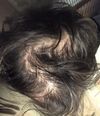
PP405 shows promise for hair growth with significant results after 4 weeks, but skepticism exists due to its unavailability. Some users are hopeful for its potential, while others express concerns about side effects and market release delays.
A user in the UK is considering buying Bunee Minoxidil foam from eBay, which is cheaper than Regaine but is concerned it might be a fake product. They are seeking opinions on its legitimacy and effectiveness.
The user is experiencing diffuse thinning and inflammation despite using 2.5mg dutasteride daily, ciclopirox, and ketoconazole shampoos. They are considering treatments like hydroxychloroquine and JAK inhibitors due to suspected scarring alopecia and have faced challenges in obtaining a scalp biopsy.
The conversation discusses hair loss treatment progress using 1mg oral finasteride, 10% minoxidil, biotin 0.2%, and LATANO 0.005%. One user reports improved confidence, while another mentions increased libido and a history of depression.
A user is seeking a UK source for a combined minoxidil and RU58841 solution that doesn't contain scalp-irritating ingredients. They specifically want a product without propylene glycol (PG).
A 23-year-old experiencing diffuse hair thinning has chosen a treatment stack including topical finasteride, a blend of rosemary, peppermint, and pumpkin seed oils, procyanidine B2 spray, ketoconazole shampoo, and scalp massages. They avoid minoxidil due to family history of side effects and oral finasteride due to high estrogen levels.
A fake hair loss product called "PP405" is being humorously discussed, with users joking about its effectiveness and availability on resale websites. The consensus is that it's a scam, with some users sarcastically claiming miraculous results.
A 43-year-old experienced hairline regrowth after 9 months using finasteride, oral and topical minoxidil, dermarolling, and vitamins. Users discussed the effectiveness and dosage of these treatments, with some expressing concerns about high doses and potential side effects.
Hair care products for those using minox, keto, fin, and microneedling are discussed. Nizoral 2%, Revita shampoo, Nioxin system 2, Aveda thickening tonic, Hanz De Fuko Claymation, and Morrocanoil Texture Clay are mentioned as options.
The user started using Finasteride and Minoxidil for hair loss and is questioning the effectiveness of additional products like caffeine shampoos. Another user suggests using RU58841 for added benefits.
TDM-105795 is a potential hair growth stimulant that works differently from minoxidil and could be used alongside it for enhanced growth. It completed phase 2 trials in 2024, with a medium to high chance of release in 2026, but lacks recent updates or phase 3 trial information.
The conversation is about a product called Serioxyl, which was expected to contain stemoxydine. It clarifies that Diethyl lutidinate is another name for stemoxydine.
Minoxidil 0.5% MMP® showed better results in parietal-vertex regions for less advanced female pattern hair loss compared to Minoxidil 5%. MMP® with Minoxidil can improve the quality of life for these patients.
The conversation discusses creating a topical hair loss treatment by dissolving melatonin in ethanol and possibly mixing it with castor oil, questioning the stability of the solution. An alternative of using glycerin is also considered.
A user's experience using topical finasteride and melatonin to regrow hair, as well as their use of dermaroller versus dr. Pen for microneedling. People discussed the benefits of oral minoxidil and questioned if melatonin could help with hair regrowth.
Ninan50 uses 0.6 minoxidil, 0.05 finasteride, biotin, and dermarolling for hair loss. Plans to increase to 0.7 minoxidil and 0.125 finasteride, with positive progress seen.
Finasteride, dutasteride, saw palmetto, caffeine, spironolactone, acetyltetrapeptides, tea tree oil, hydrocortisone, zinc pyrithione, latanoprost, melatonin, marine protein supplements, PRP, microneedling, and valproate are discussed as treatments for hair loss. DHT reduction and inflammation control are key strategies.
The user is considering adding Stemoxydine to their hair loss regimen, as they already use topical finasteride with rosemary and cannot use Minoxidil. They are seeking feedback on Stemoxydine and Alphatradiol, and another user mentions 2-deoxy-d-ribose as a potential option.
Taking CoQ10 and fish oil supplements may lead to increased body hair growth and a crawling sensation on the scalp and skin. The user suspects these supplements could be linked to hair growth, possibly due to their effects on heart health and cholesterol management.
The conversation is about finding shampoos with Piroctone Olamine in the US for itch relief, as the user has not found relief with Keto shampoo, oral Dutasteride, and oral Minoxidil. Users suggest alternatives like Neutrogena T/Gel and online options, but note availability and price issues.