Search
for
Sort by
Community Join
930-960 / 1000+ resultscommunity My hairline after 10 months of treatment
The user shared their 10-month hair loss treatment progress using Finasteride, Topical Minoxidil, and microneedling, noting significant improvement in their hairline. They also mentioned that Finasteride helped with acne, and other users discussed additional treatments like tretinoin and observed hair regrowth patterns.
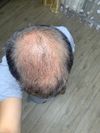
community I had 4 DHI hair transplants from 2021 -2025. The last one was on August 15th. Why isn’t my hair thickening? I’ve tried all kinds of pills, including finsteride minoxodil, and why isn’t anything working
The user had four DHI hair transplants from 2021 to 2025 and is concerned about the lack of hair thickening despite using treatments like finasteride and minoxidil. They are seeking advice on why these efforts aren't working.
community Topical rapamycin, metformin, a-kg grow hair
The conversation discusses the potential of topical rapamycin, metformin, and alpha-ketoglutarate (a-KG) for hair growth, with skepticism expressed about their effectiveness based on personal experience and existing use. It also mentions AICAR, known as cardarine or GW, which is not suitable for long-term use due to cancer risks in animal studies and its similarity to metformin.
community 10th month update. This shit really changed my life lol. I included my pre-op pics too.
A user shared a 10-month update on their hair transplant (HT), expressing significant confidence gain and recommending the procedure to others. They had the transplant in Turkey for $2300 and are very satisfied with the results.
community 6 month update, last pic was today after a haircut! I really don’t think I need a transplant anymore…..excited to see 1 year mark.
A user's 6-month update on their hair loss treatment regimen, which includes finasteride, minoxidil and derma rolling, with no significant side effects.
community PP405 Hair Loss Drug: Phase 1 Human Results & Biopsy Insights
PP405 is a potential hair loss treatment undergoing trials, with discussions on its effectiveness and comparison to existing treatments like finasteride and minoxidil. There is skepticism about its status as a cure, with hopes for future advancements in genetic treatments like CRISPR.
community Kintor Pharmaceutical Announced U.S. FDA Has Greenlighted Phase II Clinical Trial for Pyrilutamide to Treat Androgenetic Alopecia
Chinese company gets green light for Pyrilutamide Phase II trial for androgenetic alopecia. Androgen receptors downregulate in androgen deficient environments.
community The likely cost of HMI-115, when it comes out
A new potential hair loss treatment called HMI-115, and the cost of this treatment which may be expensive due to production costs but could be competitive with other treatments such as hair transplants.
community Progress pictures from January - June 2024
A 56-year-old user shared progress pictures from January to June 2024, detailing their hair loss treatment journey. They used Nanoxidil, oral Minoxidil, Finasteride (later switched to Dutasteride), RU58841, and LLLT therapy, noting slow but visible improvements.
community 22M Losing hair since 16, nothing helps, scalp always itchy. Just fed up.
A 22-year-old experiencing hair loss and persistent scalp itchiness since age 16 has tried various treatments, including finasteride, ketoconazole shampoo, and dietary changes, with no success. Suggestions include consulting a knowledgeable dermatologist, considering seborrheic dermatitis, and trying different shampoos like Selsun Blue or those with selenium sulfide.
community My bloodwork results from dermatologist
The conversation discusses hair loss and bloodwork results, focusing on zinc, vitamin D, and ferritin levels. The user is experiencing telogen effluvium after surgery and seeks advice on supplementation.
community fluridil (topilutamide) vs. cb-03-01 (clascoterone)
The conversation is about comparing the effectiveness of fluridil and clascoterone in preventing hair loss and inquiring about their use as standalone treatments. There is a question about the concentration of the fluridil brand for efficacy.
community Intense hairfall, please help
A 22-year-old experiencing intense hair loss across the scalp seeks advice, considering factors like nutrition and genetics. Suggestions include checking vitamin, mineral, and thyroid levels.
community No side effects on pyrilutamide / KX-826 so far
User TopBack56 and friends tried pyrilutamide (KX-826) for hair loss without experiencing negative side effects. They observed fine vellus hairs but no thick hair growth yet, and plan to add GT20029 to their regime after safety trials.
community Pelage are starting phase 3 for PP405 towards the end of 2026
PP405 is moving to late-stage trials, showing potential for hair regrowth, with 31% of male patients experiencing a 20% increase in hair density. Veradermics is developing an oral minoxidil version, and there is interest in combining treatments for better results.
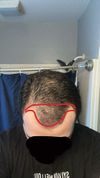
community 24M, Rejected from HT Clinics Despite 1.5 Years on Minoxidil/Finasteride, What Next?
A 24-year-old has been using Minoxidil and finasteride for 1.5 years with mild improvement but is being rejected for hair transplants due to age and diffuse thinning. They are seeking advice on what to do next.
community Pelage, PP405, is creating a database for potential new trial volunteers
PP405 is a new hair loss treatment targeting dormant hair follicles, with ongoing trials. Some users consider stopping finasteride and minoxidil to join trials, while others doubt its effectiveness.
community Vitamin D deficiency - could it be the cause?
The user is experiencing hair thinning and has a vitamin D deficiency, which they suspect might be causing the issue, but they are also considering androgenic alopecia (AGA) as a cause. They are currently using minoxidil and are unable to get finasteride prescribed, while others suggest addressing the vitamin D deficiency and consulting a dermatologist.
community M 26, had to cut my hair short for mandatory military service and I saw a lot more of my vertex than I was anticipating.
community Dht bloodwork results. Currently on topical fin for 4 months.
JeremySoCa's DHT level was 29 ng/dl, considered low, and Estradiol was 26.1 pg/dl within the normal range. They are using topical finasteride for hair loss and had a thyroidectomy due to Graves' disease.
community Clascoterone phase 3 results are out!
Clascoterone phase 3 results show promising improvements in hair count, but concerns about high costs and lack of detailed data remain. Users compare it to existing treatments like Minoxidil and Finasteride, expressing skepticism about its accessibility and effectiveness.
community Hair started thinning and found out i have high cortisol and thyroid issues
User experienced hair thinning due to high cortisol and thyroid issues, along with insulin resistance. They are taking magnesium, zinc, vitamin D, calcium, and selenium as supplements.
community Anyone with high glucose, insulin resistance, pre-diabetes or diabetes notice any regrowth after starting treatment?
A 21-year-old male with advanced hair loss (NW7) started using finasteride and minoxidil 10 months ago but hasn't seen much progress. He is pre-diabetic with stage 1 hypertension and is seeking insights on whether treating these conditions could improve hair regrowth.
community Follow me on my laser hair growth journey.
A 34-year-old male documents his hair growth journey using the iRestore Elite laser cap, biotin, and Pure Synergy Organic Superfood Capsules, after unsuccessful hair transplant and previous treatments with minoxidil and finasteride. Replies suggest using finasteride or dutasteride instead and caution against excessive use of the laser cap.
community Opinion about my regiment.....
A user shares their hair loss treatment regimen, which includes oral finasteride, oral and topical minoxidil, RU58841, LLLT cap, microneedling, ketoconazole shampoo, biotin, vitamin D3, NAC supplement, MK677, collagen, and other hair care products. They seek opinions on its effectiveness.
community RU58841 for 10 months- no results. Anyone else?
RU58841 not working for hair loss after 10 months. Concerns about purity of experimental drugs.
community Fuck hair loss; acquire beard.
A user's transformation from an accountant to a spartan with a full beard, discussing the potential of DUPA and alopecia areata, as well as treatments like vitamins, topicals, and natural treatments for potential regrowth.
community Is this a sign of receding hairline or something else
The user noticed miniaturized hair at the front of their hairline and is not on any medication. They are concerned if this is a sign of a receding hairline or something normal.