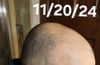
A 30-year-old woman shared her 4-month hair loss progress using minoxidil, rosemary oil, and Nizoral shampoo. She posted before and after pictures taken three months apart.
A user named Mmherak is experiencing hair loss, with low B12 and iron deficiency, and has been recommended minoxidil and spironolactone by dermatologists. Other users suggest seborrheic dermatitis or dandruff, recommending treatments like Nizoral shampoo, ketoconazole, and Selsun Blue.
The user switched from oral minoxidil to topical minoxidil and added JXL-069/PP405-3HP, along with topical dutasteride, melatonin, and tretinoin. They also use low-level laser therapy (LLLT) but doubt its effectiveness.
The user has been using oral minoxidil and dutasteride for hair loss without success and is considering adding topical 17α-estradiol, Pyrilutamide, Clascoterone, or cetirizine. They have confirmed low serum DHT levels and are exploring additional treatments due to genetic sensitivity to DHT and prostaglandin D2.
A 43-year-old male has been using oral minoxidil, finasteride, and dutasteride for hair loss, with some stabilization and thin hair growth but no significant cosmetic improvement. He is considering increasing microneedling frequency and exploring other options, as he is concerned about the lack of terminal hair growth.
User started minoxidil, noticed forehead lines and dark circles, and asked for non-invasive skin aging prevention methods. Another user suggested using tretinoin and hyaluronic acid for long-term benefits.
The conversation discusses hair loss treatments, including finasteride, Nizoral shampoo, peppermint/castor oil with saw palmetto, and plans to start oral minoxidil. The user seeks advice on managing scalp buildup and flakiness from topical minoxidil, especially for curly hair, and considers using both oral and topical minoxidil.
A user shared their 3-month hair growth progress using 1mg oral finasteride, 5% topical minoxidil, and microneedling with a 1.5 mm dermaroller twice weekly. The user received positive feedback and expressed a desire for thicker hair in the future.
The user is experiencing a greasy and dandruff-prone scalp from using RU58841 with glycerin and is seeking alternative carriers for seborrheic dermatitis. They are also using dutasteride 0.5mg.
The conversation is about using topical melatonin for hair loss and seeking advice on a safe mixing solution or pre-mixed product. Specific treatments mentioned are minoxidil, finasteride, and RU58841.
The conversation discusses the effectiveness and value of a Locklabs pill containing finasteride, minoxidil, biotin, and a low dose of dutasteride for hair loss. The user is uncertain if the .1mg dutasteride dosage is sufficient and worth the cost.
A user made a 70/30 ethanol/propylene glycol topical finasteride solution but noticed chunks at the bottom. The discussion focuses on this issue with the DIY hair loss treatment.
The conversation discusses hair loss treatment using daily topical minoxidil and finasteride, daily 0.5mm dermarolling before application, and 2% ketoconazole shampoo three times a week. Users believe dermarolling enhances the absorption of the treatments and expect significant improvements over time.
The conversation discusses alternatives to Minoxidil, such as Nanoxidil and Trioxidil, and the use of DIY oil mixtures for hair loss treatment. Users share their experiences and opinions on these products.
Peppermint oil and olive oil are being used to potentially improve hair growth, with some initial observations of stronger, thicker hair. Another user is using a mix of peppermint, coconut, castor, and rosemary oils, noting healthier and softer hair but no significant regrowth yet.
ABS-201 shows promise for male hair regrowth by blocking the prolactin receptor, with higher expected efficacy than current treatments. The discussion also covers dosing differences between macaques and humans for hmi115, highlighting a significant dosage disparity.
The user is experiencing hair improvement in the central and back areas after using finasteride, minoxidil, and a galenic lotion, but the temple area is worsening. They suspect the lotion might be causing the issue and are considering stopping its use.
The conversation discusses concerns about oral minoxidil potentially aging the face by affecting collagen, questioning its systemic effects. The user has successfully used topical minoxidil for years and is hesitant to switch to oral minoxidil.
The conversation is about creating a topical hair loss treatment with B6, zinc, and azelaic acid, which is claimed to inhibit 90% of scalp DHT. One user is skeptical about the effectiveness of this treatment and its comparison to other treatments without side effects.
The user completed a Clascoterone study with no observable changes in hair loss and plans to try microneedling and Minoxidil next. They will microneedle weekly and apply Minoxidil twice daily, except on the night of microneedling, and compare results after six months.
Pelage secured $120 million for PP405, a non-hormonal topical hair loss treatment, sparking debate on its potential as a breakthrough. Concerns about finasteride's side effects persist, with some suggesting alternatives like topical finasteride or dutasteride.
The conversation discusses the effectiveness of combining Laminaria japonica and Cistanche tubulosa extracts for hair growth. It also mentions treatments like Minoxidil, finasteride, and RU58841.
A user noticed hair loss since age 16 and is now using minoxidil 5% twice daily, scalp massages, and a derma stamp weekly, along with Alpecin Caffeine Shampoo. They report seeing new hair growth and are happy with the progress.
A female user is considering using RU58841 with minoxidil 2.5% to reduce side effects like facial hair from minoxidil 5%, while also using copper peptides and a hair serum. Other users discuss alternative treatments like spironolactone, alfatradiol, and the side effects of finasteride.
A 24-year-old user shared their 3-month progress using a topical spray containing 0.3% finasteride and 6% minoxidil, along with dermarolling and Nizoral shampoo, reporting reduced shedding and signs of hair regrowth. They emphasized consistency in their routine and noted no side effects, expressing optimism about future results.
Corticosterone inhibits GAS6, affecting hair follicle stem-cell activity, with potential implications for stress-related hair loss. Ashwagandha and Vitamin K are suggested for reducing cortisol, but their effectiveness is debated.
Slow, steady progress on hair loss treatments such as finasteride, minoxidil, microneedling and Nizoral; the need for patience when using these treatments over a period of months or years; and how to deal with discouragement due to slow progress.
FOL-005 claims to be more effective than Minoxidil and Finasteride but lacks anti-DHT properties, leading to potential reduced efficacy over time. Concerns are raised about misleading marketing and the safety of alternative treatments like Pyrilutamide and Clascoterone.
The user treated hair loss for one year using low dose topical finasteride, minoxidil, RU58841, ketoconazole shampoo, dermastamping, Botox injections, and supplements. They saw a subtle improvement in their hair loss.
A user shared a 3-month hair regrowth progress using minoxidil and microneedling. They also use rosemary oil and plan to continue treatment for at least 6-9 more months.