The conversation is about obtaining pyrilutamide for hair loss treatment from China through a contact, with details on pricing and shipping. The user offers to facilitate the purchase and shipment for a small commission.
The conversation discusses starting low-dose oral finasteride for hair loss, considering hormone levels and potential side effects like gynecomastia. Suggestions include using DIM for estradiol, vitamin B6 for prolactin, and lifestyle changes to optimize hormone profiles before starting treatment.
A user shared their 14-month progress using Pyrilutamide and Minoxidil for hair loss, noting improvement and no side effects with these treatments, unlike their negative experiences with Finasteride and RU58841. They emphasized the importance of consistent application for seeing results.
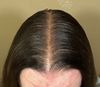
A 24-year-old woman being diagnosed with androgenic alopecia (AGA) who is scared and confused about her hair loss, and the treatment options of Minoxidil, finasteride, RU58841, spironolactone, and possibly a biopsy.
The user has been using finasteride and minoxidil for hair loss but is experiencing thinning at the crown and is considering a hair transplant. They are seeking advice on other treatments to try before proceeding with a transplant and how to find a reputable doctor.
The user has been using finasteride and minoxidil for nearly three years, maintaining and possibly regrowing hair despite noticing shedding and miniaturized hairs. They are considering adding another treatment due to concerns about ongoing hair loss.
The user had a hair transplant with 4500 grafts and has been using minoxidil twice daily for over a year but stopped finasteride due to severe side effects. The transplant cost $3500 and improved their self-confidence, positively affecting their dating life.
Clascoterone is a topical treatment for androgenetic alopecia, showing modest to moderate hair regrowth, and may be available by 2027-2028. It is considered safer than finasteride, with discussions on its effectiveness compared to RU58841 and pyrilutamide.
The effects of Finasteride on hair loss and its side-effects, such as aching balls. The user has been taking it for two years with no changes to the symptom.
Korea launched its first OTC oral hair loss drug, dexpanthenol B5. Users discuss its anti-oxidative and anti-inflammatory effects but note a lack of efficacy studies.
A user is excited about scheduling a hair transplant for July 1st, after 2 years of using Minoxidil, finasteride, and RU58841 with no regrowth. The transplant will cost €2500-€3000 for 1000-1200 grafts, and the user chose to have it done locally rather than traveling abroad to save money.
A user who was part of an ongoing trial for a prolactin blocker and had regrowth, but the progress photos were not shared due to negative reactions from other users. Treatments mentioned include HMI-115, Minoxidil, Finasteride, and RU58841.
A user is considering starting spironolactone for hair loss without consulting a dermatologist, as previous dermatologists only recommended biotin, vitamins, or PRP. The user notes that spironolactone is affordable in their country.
The user shared their journey with hair loss, using minoxidil initially, then adding microneedling and finasteride, and finally undergoing a hair transplant. They expressed regret for not using finasteride earlier due to fear of side effects and found the combination of treatments effective in the end.
OP underwent a hair transplant (HT) and has been using finasteride for one year. Despite having thin hair, OP is happy with the results and feels more confident.
The conversation is about the lack of discussion on Low-level laser light therapy (LLLT) laser caps for hair loss. One user questions their effectiveness, and another asserts they don't work.
Low-level laser therapy (LLLT) stimulates hair growth but current devices are expensive. A proposed non-profit project aims to create affordable, 3D-printed LLLT devices and collect data on their effectiveness.
The conversation is about the anticipation of results for a hair loss treatment study, specifically for GT20029, with expectations for the results to be released in the first quarter of 2024. No specific treatments were discussed.
High prolactin levels can cause hair loss, and finasteride may increase prolactin. Cabergoline or Vitamin B6 might lower prolactin, but combining them with finasteride requires caution.
A 29-year-old is using 1mg oral finasteride and 50mg/g topical minoxidil daily for hair loss, with plans to reduce minoxidil use due to greasiness and considering a hair transplant for receding temples. No side effects from finasteride were reported, and many users suggest a transplant may not be necessary due to good hair density.
The user is concerned about hair loss and has been using finasteride and minoxidil. The doctor refused to prescribe finasteride due to a perceived increased risk of prostate cancer, prompting the user to consider seeking another doctor's opinion.
Hair transplant recipients are concerned about whether dormant follicles are permanently damaged by incisions, but some believe undamaged follicles could still regrow if a treatment like PP405 is effective. Opinions vary on the impact of transplants on original follicles, with some suggesting treatments like finasteride can help regrow hair.
A 35-year-old male uses topical minoxidil, spironolactone, and microneedling for hair loss, with spironolactone prescribed based on a DNA test indicating poor response to finasteride and dutasteride. Despite concerns about the test's validity and spironolactone's side effects, he reports stable or improved hair condition and no low testosterone symptoms.
A 48-year-old male is seeking advice on hair loss treatments, having tried Rogaine, Dutasteride, and Finasteride, and is concerned about a Spironolactone prescription. He is advised to continue with Finasteride, consider combo pills for convenience, and re-evaluate the Spironolactone prescription as it is typically not for men.
Combining spironolactone with koshine might enhance the effect of blocking androgen receptors for hair loss treatment. The user suggests adding crushed spironolactone pills to koshine.
The user aims to achieve a hypertrichosis look and has used topical Minoxidil for 20 years, now trying oral Minoxidil in a low dose. They seek alternatives to Minoxidil to avoid side effects.
Spironolactone is more potent and lowers testosterone and DHT, while dutasteride only impacts DHT. For female hair loss, checking hormones and considering treatments like oral minoxidil, spironolactone, or topical minoxidil is recommended.
The user underwent a second hair transplant for the crown and mid-scalp, achieving good density. They are using minoxidil, finasteride, and biotin, and considering PRP treatments to enhance growth.
A user shared their positive experience with a 3500 graft FUT hair transplant by Dr. Scott Alexander in Phoenix, AZ, costing $14,000. They are using a daily Hims finasteride and minoxidil tablet and are pleased with the results, despite some initial concerns about scarring.