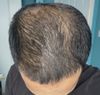
User discusses Latanoprost as potential hair loss treatment and considers combining it with oral minoxidil for better results. Seeking opinions on effectiveness and expense.
Verteporfin may improve hair transplant outcomes and reduce scarring, potentially allowing patients to avoid finasteride. Dr. Barghouthi seeks collaborations, volunteers, and financial support for research on verteporfin.org.
A user's progress with their hair loss treatment, which includes finasteride and nizoral, as well as the potential for using minoxidil; other users providing advice based on their own experiences; and others discussing how buzz cuts can make diffuse thinning look worse than it is.
A 21-year-old MTF individual is experiencing rapid hair thinning and is currently on estradiol valerate. They are inquiring about the effectiveness of spironolactone for hair loss, despite being aware of its serious side effects.
The conversation is about hair regrowth or miniaturization after two months of using minoxidil and spironolactone. Specific treatments mentioned are minoxidil and spironolactone.
This post and conversation are about the effects of Minoxidil on renal electrolytes transport in the Loop of Henle. The replies show a lack of interest and a brief summary stating that rectal Minoxidil electrolytes are bad.
Comparing the effectiveness of minoxidil 5% and adenosine 0.75% for treating male androgenetic alopecia, and measuring patient satisfaction rate; results showed that adenosine is comparable to minoxidil but provides quicker results, however availability of products with adenosine is much less than those with minoxidil.
A user shared a 12-month update on their hair transplant, which involved 5700 DHI grafts and cost £4500 at Cosmedica. They also dyed their hair and beard, and users praised the impressive results, suggesting finasteride or dutasteride to prevent further hair loss.
User celebrates 2-year anniversary of 2500 FUE hair transplant procedure and worries about future hair loss. Others compliment the results and suggest using Dut and Min to maintain hair.
A human trial of verteporfin, a drug that can inhibit wound healing by scarring and promote regeneration of original tissue and hair follicles to provide an unlimited source for hair transplants; people discussed the potential of this drug and how it could be rolled out in mainstream with more doctors getting on board.
A user shared their progress after a 4,000-graft hair transplant, using finasteride (1.25 mg daily) and oral minoxidil (2.5 mg daily) for six months. They reported no side effects from the medication and noted significant improvement in hair density.
A 27-year-old shared their hair transplant journey after using minoxidil and dutasteride for nearly four years. They underwent a 2600-graft surgery in London, costing £6450, and plan to switch to oral minoxidil during recovery.
A 20-year-old experiencing hair loss since age 16 is using finasteride and minoxidil and is considering future hair transplants. Discussions include the potential for multiple transplants, the use of body hair for coverage, and the importance of treatments like dutasteride and scalp micropigmentation for maintaining hair density.
A user is considering a hair transplant in a "mohawk" pattern with scalp micropigmentation (SMP) on the sides and back, questioning its feasibility and appearance. Others discuss donor region quality, potential scarring, and alternative treatments like dutasteride and RU58841.
OP is planning a hair transplant but has gyno surgery scheduled next month. It's recommended to wait 4-6 weeks after the gyno surgery before proceeding with the hair transplant.
A 32-year-old had a hair transplant in Istanbul for 2500€, using 2800-3000 grafts, and is not using finasteride or other medications long-term. The user is satisfied with the results but acknowledges the possibility of needing another transplant in the future.
A user is concerned about low hair density 12 months after a hair transplant and is not using finasteride or minoxidil, only taking biotin. They are seeking advice on whether this is normal, if starting medication now would help, and when to consider a second procedure.
A user's successful hair transplant, with some people questioning the donor area regrowth, and others speculating that hair fibre may have been used to help fill in areas.
The user had a hair transplant 5 years ago and is currently using 1 mg finasteride and topical minoxidil but is not seeing an increase in hair volume. They are considering another transplant to improve hair volume.
The user is considering a second hair transplant or scalp micropigmentation to address thinning in the crown area and hide scars from a previous transplant. They have been using finasteride and minoxidil for three years but are concerned about the appearance of their donor area and the effectiveness of scalp micropigmentation.
The user shared their positive experience with a hair transplant in South Korea, highlighting thorough consultations, consistent medical team involvement, and reasonable pricing. They noted good growth and natural-looking results after several months, with stem cell PRP treatment included to support graft survival.
A user shared their 12-month update after a 1600-graft hair transplant in Korea, with mixed reactions about the necessity and results. The user is not currently using minoxidil or finasteride but plans to consult a doctor about it.
A user shared their positive experience with a hair transplant in Bangkok, Thailand, performed by Dr. Kongkiat Laorwong, costing ~$4,500 for 2,100 grafts. The user had been using finasteride, minoxidil, dutasteride, and oral minoxidil for hair loss treatment before the transplant and reported no side effects.
The user underwent a second hair transplant for the crown and mid-scalp, achieving good density. They are using minoxidil, finasteride, and biotin, and considering PRP treatments to enhance growth.
Body hair transplants may look better if kept very short. People with limited donor regions or waiting for Verteporfin or FAK Inhibitors could consider this option.
The conversation humorously suggests using religious headwear to hide hair loss, mentioning Sikh turbans and Jewish kippahs. It also touches on cultural practices like circumcision and includes various jokes and comments about hair loss solutions.
PP405 is the most promising future treatment for hair loss, aiming to reactivate dormant hair follicles. Clascoterone 5% is the most promising near-term drug, while current strategies include using finasteride or dutasteride to stabilize hair loss and minoxidil to stimulate growth.
DHT is not the only cause of male pattern hair loss; genetic sensitivity, inflammation, and fibrosis also contribute. GHK-Cu, a copper peptide, is being explored as an alternative treatment to finasteride and minoxidil, showing potential in improving follicle health.
The user experienced improved hair health and density after three months using 1mg finasteride and topical minoxidil twice daily, with no side effects. They also use ketoconazole 2% twice weekly and purchase their medications from Amazon.
The user has been taking oral minoxidil (5 mg) and finasteride (1.1 mg) for 10 months, experiencing significant hair regrowth followed by a recent shedding phase, which has now slowed. The user remains optimistic about future regrowth and attributes some hair health to the inclusion of biotin in their treatment.