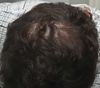
Vitamin D supplementation may have led to slight hair regrowth and density improvement. Other treatments discussed include finasteride, minoxidil, and maintaining optimal vitamin D levels.
A user expressed concern about using low-dose topical finasteride while conceiving, but was reassured that the risk of affecting a fetus is negligible. The user stopped using finasteride during pregnancy and switched to minoxidil and ketoconazole, while others shared experiences and advice on using these treatments safely.
The conversation discusses the use of dutasteride and minoxidil for hair loss treatment, with concerns about potential side effects and the effectiveness of dutasteride compared to finasteride. The user is advised to monitor for side effects and consult with a doctor, while also considering the differences between the medications.
Hair loss treatments have not advanced since 2018, with finasteride, minoxidil, and RU58841 still being the main options. A permanent cure is unlikely due to the profitability of ongoing treatments.
The user experienced worsening hair thinning despite using finasteride, minoxidil, and ketoconazole shampoo, and switched to dutasteride five months ago. They are considering adding tretinoin and microneedling to their routine for better results.
A 19-year-old has been using a regimen of 5% topical minoxidil and 1mg oral finasteride for three months to combat early-onset balding. The user reports some progress and plans to continue the current treatment, while others suggest considering additional treatments like dutasteride for more aggressive cases.
PP405 is considered as a potential hair regrowth treatment, but users are skeptical due to past product failures. They compare it to Minoxidil and Finasteride, questioning its effectiveness and the intentions of pharmaceutical companies.
PP405, a potential hair loss treatment, is facing delays in releasing Phase 2 results, causing frustration among users who compare it to past failed treatments. Despite skepticism, some remain hopeful about PP405's future, while others discuss alternative treatments like Clascoterone and its expected market release.
Switching from topical to oral minoxidil, specifically using split dosing, led to significant hair regrowth and reduced side effects for the user. The combination of oral minoxidil and finasteride proved more effective than previous topical treatments.
A new hair loss protocol using FDA-approved topical treatments targets eight pathways, potentially improving results by 60-75% compared to the standard 40-50% from oral minoxidil and finasteride. The protocol includes minoxidil, finasteride, tacrolimus, cetirizine, bimatoprost, lithium gluconate, losartan, melatonin, NAC, caffeine, and tretinoin, with a monthly cost of $35-50 in Mexico and $80-150 in the US.
A 33-year-old experienced significant hair loss after a depressive episode and taking paroxetine, possibly due to telogen effluvium or androgenic alopecia. Suggestions included reducing alcohol, considering finasteride and minoxidil, and consulting a doctor about antidepressant side effects.
An 18-year-old with early hair loss is advised to consider minoxidil and finasteride, with a doctor's consultation recommended. Alternatives like a hair system or shaving are suggested due to potential medication side effects and lifelong commitment.
A 25-year-old male is experiencing hair thinning at the hairline and vertex, considering using a dermapen or dermastamp, and seeking advice on whether to continue with natural remedies like onion juice and rosemary oil or start using minoxidil or finasteride. He is also looking for recommendations on microneedling devices.
Finasteride increased testosterone and estrogen, stopped hair loss, and promoted regrowth. Users discussed side effects like libido changes and considered adding minoxidil and aromatase inhibitors.
A 17-year-old is experiencing early hair thinning and is considering oral minoxidil while being cautious about finasteride due to side effects. They seek advice on hair maintenance and plan to consult a doctor before using DHT blockers.
PP405 and ABS-201 are promising treatments for male pattern baldness. PP405 shows rapid hair growth in human trials, while ABS-201 shows significant regrowth in animal studies but is still in early human trials.
A 26-year-old is using Minoxidil, Saw Palmetto, and dermarolling for hair loss and is considering switching to topical Finasteride. They are self-conscious about hair thinning and are seeking advice on whether to continue treatment or shave their head.
Significant hair improvement was achieved using 1.25mg finasteride and 5mg oral minoxidil daily, with no side effects. The user increased the minoxidil dosage to 7.5mg after noticing minor thinning and plans to continue the routine.
Topical dutasteride is considered more effective for hair regrowth with fewer side effects than oral finasteride. Users have mixed experiences, with some preferring topical applications for reduced side effects.
Finasteride can help maintain hair and slow hair loss, but its effectiveness varies by individual. Some may switch to dutasteride or add minoxidil for better results, though side effects are a concern.
Federal funding cuts have delayed PP405 research, affecting hair loss treatment progress, though clinical trials will continue. The discussion highlights PP405's potential compared to minoxidil and finasteride and stresses the importance of government-funded research.
PP405 is a new hair loss treatment facing mixed reactions due to initial hype and insufficient data. Some are hopeful, but many doubt its effectiveness compared to minoxidil and finasteride.
John Cena attributes his improved life and career to a hair transplant and maintenance routine with red-light therapy, minoxidil, vitamins, and shampoo. Users discuss the effectiveness and side effects of finasteride, with mixed opinions on its necessity.
Switching from finasteride to dutasteride can worsen hairlines for some, as experienced by the original poster. Finasteride worked better for them, and they suggest returning to it if dutasteride causes hair loss.
The user has been using 0.5mg Dutasteride daily and topical Minoxidil but is experiencing worsening hair density and is considering switching to Finasteride, increasing the Dutasteride dose, or adding RU58841. They are also considering microneedling and have concerns about the effectiveness of generic Dutasteride compared to branded versions.
The user achieved significant hair regrowth using dutasteride 0.5mg for a year and oral minoxidil 2.5mg for eight months, despite initial shedding. They reported no side effects and preferred oral treatments over topicals.
A user shared their 9-year experience using oral Minoxidil and Dutasteride for hair loss, noting initial side effects like dizziness and shedding but achieving stable results. They emphasized the importance of confidence over appearance and mentioned that the treatment has been worth it for them.
PP405 is a potential hair loss treatment, but its safety and effectiveness are uncertain. Users advise caution and suggest waiting for more data before purchasing unverified versions.
Hair loss affects confidence, with discussions on treatments like finasteride, minoxidil, and RU58841. Emphasis is placed on self-acceptance and building confidence beyond appearance.
Switching from finasteride to dutasteride caused significant shedding but minimal side effects. The user plans to continue dutasteride for 12 months despite concerns about hair density.