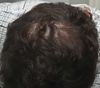
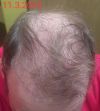
A 30-year-old man is frustrated with hair loss despite using finasteride, topical minoxidil, ketoconazole shampoo, and PRP. Suggestions include trying oral minoxidil, dutasteride, RU58841, or considering a hair transplant.
Vitamin D supplementation may have led to slight hair regrowth and density improvement. Other treatments discussed include finasteride, minoxidil, and maintaining optimal vitamin D levels.
The conversation discusses the use of dutasteride and minoxidil for hair loss treatment, with concerns about potential side effects and the effectiveness of dutasteride compared to finasteride. The user is advised to monitor for side effects and consult with a doctor, while also considering the differences between the medications.
Hair loss treatments have not advanced since 2018, with finasteride, minoxidil, and RU58841 still being the main options. A permanent cure is unlikely due to the profitability of ongoing treatments.
A new hair loss protocol using FDA-approved topical treatments targets eight pathways, potentially improving results by 60-75% compared to the standard 40-50% from oral minoxidil and finasteride. The protocol includes minoxidil, finasteride, tacrolimus, cetirizine, bimatoprost, lithium gluconate, losartan, melatonin, NAC, caffeine, and tretinoin, with a monthly cost of $35-50 in Mexico and $80-150 in the US.
A 25-year-old male is experiencing hair thinning at the hairline and vertex, considering using a dermapen or dermastamp, and seeking advice on whether to continue with natural remedies like onion juice and rosemary oil or start using minoxidil or finasteride. He is also looking for recommendations on microneedling devices.
A 17-year-old is experiencing early hair thinning and is considering oral minoxidil while being cautious about finasteride due to side effects. They seek advice on hair maintenance and plan to consult a doctor before using DHT blockers.
Topical dutasteride is considered more effective for hair regrowth with fewer side effects than oral finasteride. Users have mixed experiences, with some preferring topical applications for reduced side effects.
John Cena attributes his improved life and career to a hair transplant and maintenance routine with red-light therapy, minoxidil, vitamins, and shampoo. Users discuss the effectiveness and side effects of finasteride, with mixed opinions on its necessity.
Switching from finasteride to dutasteride can worsen hairlines for some, as experienced by the original poster. Finasteride worked better for them, and they suggest returning to it if dutasteride causes hair loss.
The user has been using 0.5mg Dutasteride daily and topical Minoxidil but is experiencing worsening hair density and is considering switching to Finasteride, increasing the Dutasteride dose, or adding RU58841. They are also considering microneedling and have concerns about the effectiveness of generic Dutasteride compared to branded versions.
The user achieved significant hair regrowth using dutasteride 0.5mg for a year and oral minoxidil 2.5mg for eight months, despite initial shedding. They reported no side effects and preferred oral treatments over topicals.
A 31-year-old woman is using Dutasteride (0.5mg daily) and supplements like a multivitamin, Herbadal, pumpkin seed oil, and vitamin D for genetic hair loss, noticing thicker hair but no new growth after one month. She is considering adding minoxidil and is aware of Dutasteride's risks, especially regarding pregnancy.
A user shared their successful experience with hair regrowth and transitioning from male to female using minoxidil, finasteride, Nutrafol, microneedling, and hormone replacement therapy (HRT). They expressed gratitude for the results and encouraged others to explore treatments that align with their personal goals.
The conversation discusses a user's positive experience with a hair loss treatment routine involving dutasteride, oral minoxidil, and Nourkrin Man, with no side effects reported. Other users share their experiences with similar treatments, discussing side effects like heart palpitations and depression, and offer advice on obtaining prescriptions affordably.
Gut microbiota significantly influences androgen metabolism, impacting hair loss treatments like finasteride. Probiotics, dietary changes, and fecal microbiota transplants may help manage DHT levels and improve hair health.
The user is struggling with hair loss despite using topical minoxidil, finasteride, and oral dutasteride, and is seeking affordable alternatives to 2.5mg dutasteride. Suggestions include checking for scalp inflammation, considering oral minoxidil, using rosemary oil, and possibly trying saw palmetto, though results may vary.
The user replaced finasteride with saw palmetto due to availability issues and experienced side effects, leading to adjustments in their regimen. They use saw palmetto, minoxidil, Nizoral, and a dermaroller, reporting reduced side effects and some benefits, with hair fall ranging from 5 to 20 hairs daily.
Creatine does not increase DHT levels or cause hair loss. Personal experiences vary, but scientific evidence shows no link between creatine and hair loss.
The user has been taking 2mg oral minoxidil and 1mg finasteride but has seen no hair regrowth after 8 months, leading to concerns about being a non-responder. They are considering increasing the minoxidil dosage or switching to dutasteride, while also using keto shampoo and microneedling, but remain skeptical about the effectiveness of minoxidil.
A user is experiencing hair loss despite using dutasteride and oral minoxidil, feeling hopeless and considering a hair system. They are advised to try ketoconazole, seek a second opinion from a dermatologist, and consider treatments like finasteride, RU58841, and hair transplants.
A user is considering stopping hair loss treatments, including finasteride, dutasteride, and minoxidil, due to lack of progress after 16 months. They plan to continue until October and are seeking advice and experiences from others.
The user has used minoxidil for five years and added microneedling for four weeks without seeing results. They are considering a hair transplant but are advised that hair loss will persist without a DHT blocker.
Topical dutasteride is considered for hair loss, but concerns about systemic absorption and side effects like reduced libido are common. Users have mixed results, with some preferring oral finasteride or dutasteride despite side effects, while others find topical treatments beneficial but challenging.
Finasteride and minoxidil are discussed as hair loss treatments, with mixed opinions on side effects like sexual dysfunction and mood changes. Some users report positive results, while others express concerns about potential risks and insufficient information.
Dutasteride is often preferred over Finasteride due to fewer side effects and better hair regrowth. Initial side effects like lowered libido may occur but typically diminish over time.
A 24-year-old male using dutasteride for hair loss is worried about its effects on fertility and future children's health. Users advise consulting a doctor, possibly switching to finasteride, or stopping dutasteride before conception due to its impact on sperm count.
A person in their 20s is struggling with hair loss, using treatments like minoxidil and finasteride. Suggestions include self-improvement, therapy, hair transplants, and focusing on acceptance and confidence.
Many people use finasteride and dutasteride for hair loss, with some switching due to cost or effectiveness. Minoxidil is also commonly used, and side effects like weaker erections or ball pain are reported by some.