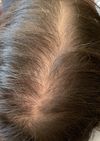
Considering alternative treatments to hair loss, such as platelet-rich plasma (PRP) and exosome therapy, instead of using medications like minoxidil, finasteride/dutasteride.
PP405 is discussed as a potential adjunct therapy for hair loss, with skepticism about its effectiveness and trial results. Users mention combining it with finasteride and minoxidil for better results, while others debate the root causes of hair loss and the limitations of current treatments.
A 20-year-old is experiencing aggressive hair loss and is using oral finasteride, oral minoxidil, red light therapy, and considering adding dutasteride. Users advise patience, consistency, and waiting 3-6 months for potential regrowth.
The efficacy of microneedling for hair regrowth as either a stand-alone therapy or adjunct to Minoxidil, and whether Tretinoin is a safer and more effective option. Replies include personal accounts from users who have had success with microneedling in combination with minoxidil and peptide serums, as well as considerations of technique, depth, and potential scarring.
A South Korean company, Therazyne, has developed a promising hair loss treatment using a WNT chain surrogate that binds to Frizzled 7, with human follicle testing expected soon. Current treatments like minoxidil and finasteride are not seen as cures, and while optimism exists for future solutions like PP405, approval processes are lengthy.
A 27-year-old male experiencing hair loss post-Covid is considering PRP (platelet-rich plasma) therapy. He's seeking personal experiences about the process, particularly regarding pain levels, despite his dermatologist's assurance of using local anesthesia.
Inconsistent minoxidil use led to hair loss, prompting a plan to resume consistent application with derma stamping, red light therapy, and DHT blockers like clascoterone or RU58841. The user avoids finasteride and dutasteride due to past side effects.
The user experienced hair shedding after starting testosterone replacement therapy (TRT) and is considering using DHT blockers like finasteride or dutasteride to address potential DHT-related hair loss. Low ferritin levels due to frequent blood donations may also contribute to hair issues, and the user is working on stabilizing iron levels.
A user thanks the group for sharing experiences, leading them to start finasteride, dermarolling, and castor oil, while using Nizoral and LLLT. They plan to reintroduce minoxidil later.
User experienced hair loss and tried Minoxidil, laser helmet, and Finasteride. Finasteride caused depression and sexual side effects, but user had a successful hair transplant.
The conversation is about using finasteride and testosterone replacement therapy (TRT) for hair loss and their role in gender-affirming care. It debates whether these treatments are considered hormone replacement therapy (HRT) and their implications for both cisgender and transgender individuals.
The conversation discusses using daily microneedling at 0.25mm and red light therapy to enhance hair regrowth, especially when traditional treatments like finasteride and minoxidil become less effective. The combination is said to improve hair density and thickness, with red light therapy being more cosmetic, while microneedling is essential for challenging areas.
A 31-year-old who experienced severe hair loss during medical school tried various treatments, including topical and oral finasteride and minoxidil, but stopped due to side effects. They restarted treatment 10 months ago with a regimen including topical finasteride, minoxidil, retinoic acid, hydrocortisone, oral minoxidil, and light therapy, emphasizing the importance of consistency and skincare.
Discussing a regimen to improve the user's hairline, with treatments proposed including minoxidil, rectal microneedling, IV drip of minoxidil, laser removal, PRP injection, topical minoxidil, divine protein shakes, stem cell injections, and keto shampoo.
A 29-year-old is using liposomal topical finasteride/minoxidil and low-level light therapy (LLLT) to improve hair growth, showing significant progress in crown recovery. The user prefers liposomal topicals to avoid side effects from oral finasteride and uses the iRestore Essential device for LLLT.
A 24-year-old male experienced hair loss despite using minoxidil and finasteride, later switching to dutasteride, higher-dose minoxidil, iron supplements, and derma stamping, which initially improved his condition. However, after moving to a stressful environment and undergoing minor surgery, his hair loss rapidly increased, particularly on one side of his temple.
An 18.5-year-old experiencing rapid hair loss is being treated with saw palmetto, vitamins, and red light therapy, but these seem ineffective. The consideration of finasteride is discussed, weighing its potential side effects against the emotional impact of early hair loss.
The user reports positive progress in hair regrowth using 1mg oral finasteride, 3mg oral minoxidil, biotin, vitamin D, red light therapy, and microneedling. They note thickening at the hairline and some regrowth at the temples.
The user tried various hair loss treatments including minoxidil, finasteride, hormone therapy, dutasteride, microneedling, and natural oils. They plan to continue their regimen and may consider surgical options if results are unsatisfactory.
A user shared their 3-month hair loss progress using finasteride, minoxidil, low-level light therapy, pumpkin seed oil, and rosemary oil. The user saw a reduction in balding crown size but couldn't determine which treatment was most effective.
The user is considering adjusting their hair loss treatment by adding 1-2 weekly doses of Dutasteride to their current daily regimen of Minoxidil and Finasteride, aiming to gradually increase effectiveness while minimizing drug use. They seek experiences from others who have tried similar combination therapies.
A 34-year-old underwent a hair transplant with 5,250 grafts, stem cell therapy, and PRP at Dr. Hakan Clinic in Istanbul, without using Minoxidil or Finasteride. Despite initial concerns about the hairline design, the user is optimistic about the results and plans to update progress over time.
The user has been dealing with hair loss since middle school and has tried various treatments like mesotherapy, PRP, and red light therapy without success. Currently, they use minoxidil, finasteride, and dutasteride but are considering a hair transplant due to limited improvement.
A user shared their positive experience with hair regrowth using minoxidil, hormone replacement therapy, and cyproterone acetate during their male-to-female transition. Another user discussed their successful hair transplant after transitioning and using finasteride, highlighting the challenges of hair loss and regrowth during transition.
The user was rejected from participating in a clinical trial for an extended-release oral Minoxidil due to having rheumatoid arthritis, despite initially being accepted. They had stopped using Dutasteride and Minoxidil to qualify but continued using other treatments like RU58841 and red light therapy.
The user is experiencing sudden hair loss and is considering micro-needling, low-level light therapy, iron supplements, folihair, and Omega 3. They are hesitant to start finasteride, suspecting the hair loss might be due to telogen effluvium from a past COVID-19 infection.
A 24-year-old experiencing hair loss received advice from four dermatologists, with most recommendations focusing on using minoxidil and finasteride. The consensus among users was to start with finasteride and consider adding minoxidil later, while expressing concerns about potential side effects.
The conversation is about recommendations for Copper Tripeptide-1 solutions to enhance hair loss treatment, with a focus on using Reviv Hair Serum alongside LLLT therapy. The user also discusses using Minoxidil, RU58841, and other compounds to manage hair shedding and improve hair thickness.
Loose-Message9596 has been experiencing hair loss for 3-4 years, initially due to low ferritin and vitamin D levels, and has tried treatments like vitamins, System 4, and PRP therapy. They are considering starting finasteride and minoxidil but are unsure due to their relatively low DHT level of 425.
A 30-year-old male has been experiencing hair loss despite using Dutasteride 0.5mg and PRP for 15 months, with no success. He is considering a hair transplant but is advised to stabilize hair loss first and explore other treatments like topical Minoxidil or combined therapies.