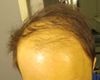
The user used oral finasteride, topical minoxidil foam, a derma roller, keto shampoo, Hims thick fix shampoo, hair dye, and rosemary oil for hair restoration. They reported no side effects and noted significant improvement, especially in the hairline.
A user jokes about their 2-year-old son having their hairline and asks if it's too late for finasteride. Replies include humorous suggestions like growing a beard, working out, and hair transplants.
A user shared their hair loss journey using oral finasteride for over six years and oral minoxidil for one year, noting some progress and considering switching to dutasteride. Others shared mixed results and side effects from using minoxidil, finasteride, and dutasteride.
A 33-year-old male is starting treatment with oral dutasteride and topical minoxidil for hair regrowth. He is concerned about his receding hairline and hopes for some improvement despite years of balding.
The user experienced hair improvement after one year using 0.5 mg oral dutasteride, 5 mg oral minoxidil, and ketoconazole shampoo three times a week. They noticed progress after initial shedding and attribute changes to medication adjustments.
The user "_Mad_Jack_" shared their progress pictures of using topical finasteride and minoxidil for 11 months. They experienced good hair retention and increased overall hair count, but no regrowth of the hairline. They are considering switching to oral finasteride and microneedling for better results. Testicular pain was a side effect experienced during the treatment. Another user mentioned getting a hair transplant to cover their crown.
This conversation is about a user's post showing their progress in hair growth after four months of taking finasteride and minoxidil, although it was later revealed that they had also received a hair transplant. The replies to the post were mixed, with some questioning the validity of the results and others expressing admiration.
PP405 is moving to late-stage trials, showing potential for hair regrowth, with 31% of male patients experiencing a 20% increase in hair density. Veradermics is developing an oral minoxidil version, and there is interest in combining treatments for better results.
A male in his late 20s, with Norwood 7 hair loss, reports progress using topical 5% minoxidil twice daily, natural hair regrowth oils, and derma rolling. He plans to start finasteride or dutasteride after noticing positive results.
A female in her late 30s experienced hair thinning due to health issues and treatments, including antibiotics and stress. She started using minoxidil, biotin, and vitamins from **hers** and is currently dealing with shedding and possible weight gain.
A man in his late twenties switched from finasteride to dutasteride for hair loss and is sharing his 3-month progress, noting increased shedding but no side effects. Some responders think the treatment is working.
A user in their late thirties is skeptical about the effectiveness of a hair growth supplement and is considering switching to cheaper alternatives like Biotin. They currently use finasteride, microneedling, and are contemplating switching to Dutasteride and purchasing Nizoral shampoo.
The user experienced aggressive hair thinning starting in late 2023 and began using Minoxidil consistently in October 2025, along with Vitamin D supplements. After three months, they shared progress photos showing improvement in hair density.
The user has been using finasteride since late 2021 and added oral minoxidil in mid-2024, considering adding dutasteride for better results. Users discuss the effectiveness and side effects of these treatments, with some recommending ketoconazole shampoo for redness.
Breezula (clascoterone) is expected to be available by late 2026, showing good long-term results with minimal side effects. KX-826 (pyrilutamide) acts faster but is still in earlier development stages.
PP405 is expected to finish Phase 2 trials in late 2025, with potential market availability around 2028-2029 if all goes well. Current treatments like finasteride and minoxidil are still popular, while new options like KX-826 and Breezula are anticipated soon.
The user has been using 5% minoxidil and 1mg finasteride since late 2024 and has seen progress in hair regrowth, though they feel it is slowing down. They are considering adding rosemary oil and derma stamping to their routine, with advice suggesting derma stamping once a week at 1mm to 1.5mm.
The user has been using liposomal topical finasteride since late 2022, progressively increasing the dose, but DHT serum levels remain largely unchanged. Despite using finasteride, minoxidil, microneedling, and ketoconazole, hair condition has neither improved nor worsened.
The user has been using Minoxidil and Finasteride since late 2019 with good results but is experiencing a dry, flaky scalp and shedding hairs. They also use Nizoral, biotin, zinc, magnesium, and collagen supplements, and their dermatologist prescribed fluocinolone acetonide to reduce flaking.
Breezula offers modest hair growth similar to finasteride and is expected to be available by late 2026. It is a safe alternative without hormonal side effects and works well with minoxidil.
The user has been using oral finasteride 1mg and oral minoxidil 2.5mg daily since late 2024 and reports positive progress in hair growth without side effects, though some unwanted hair growth on hands and arms. The user is 26 years old and started losing hair around age 20 or 21.
A user is disappointed with their 6-month hair loss treatment progress, using 1.25mg oral finasteride daily, 2.5mg oral minoxidil daily, topical minoxidil, derma stamping, vitamin D, caffeine, benzoyl peroxide wash, and tretinoin. Replies suggest the results are good, especially considering the late start of treatment, and encourage continued use for better outcomes.
A female user has experienced severe hair shedding since stopping birth control in late 2022, diagnosed as telogen effluvium with no signs of androgenetic alopecia. Despite healthy living and optimal bloodwork, she continues to shed hair daily but also sees significant regrowth.
PP405 is progressing to Phase 2b trials, with results expected in late 2025 or early 2026, and potential Phase 3 trials in 2026. Some users experienced side effects from finasteride and are hopeful for PP405 as an alternative treatment.
Clascoterone 5% topical solution is effective and safe for long-term use in treating male pattern hair loss. Cosmo Pharma aims for EU and US approval, with a potential US release in late 2027 or early 2028.
Clascoterone 5% solution shows strong potential for hair growth, offering a new treatment for alopecia with minimal side effects. It blocks androgen receptors locally and may be available by late 2026 or early 2027.
A 29-year-old male with diffuse thinning plans to start minoxidil and finasteride soon but is concerned about potential shedding before a big event in late April/early May. He is considering whether to start treatment now or wait until after the event.