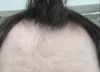
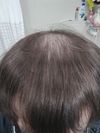
A user's 11-month experience of using Minoxidil and finasteride to treat hair loss, which the user believes has been successful. Other users offered advice on additional treatments such as dermarolling or shaving the head.
User reports visible hair growth after 1.5 months using dermarolling, Jamaican black castor oil, and onion juice, having stopped minoxidil due to initial hair loss. Replies suggest continuing minoxidil despite shedding, buzzing hair, and trying finasteride or scalp massages.
Hair loss treatments like finasteride, minoxidil, ketoconazole, PRP, and microneedling helped maintain hair for 20 years. Research and try evidence-based treatments for best results.
The user experienced hair thinning from chromium and alpha lipoic acid supplements, which stopped after discontinuing them. Someone mentioned this could be telogen effluvium, a temporary condition.
Exploring the effectiveness of redensyl, a hair loss treatment, compared to minoxidil and finasteride. People shared experiences using redensyl and products containing it, such as The Ordinary Hair Serum.
The conversation is about the release timeline for clinical trial results and the availability of Breezula, a hair loss treatment. The user is not comfortable buying it as a research drug from China.
The struggles of hair loss at a young age and available treatments, such as medication (Finasteride, Minoxidil, Dutasteride, Derma Rolling) and potential options for hair systems or cloning in Japan. People discussed their own experiences with trying to cope with the emotional aspects of this condition.
Hair loss impacts mental health, with treatments like Minoxidil, finasteride, and stem cell transplants discussed. There is hope for future breakthroughs, but current treatments are limited, and awareness is lacking.
Hair cloning was predicted to be a baldness cure within 3-4 years in 2004, but it has not materialized. Users express frustration and skepticism about the delay.
The conversation discusses unconventional and satirical ideas for hair regrowth, including using umbilical cord cells, stem cells, and other humorous suggestions. It concludes with recommendations for more traditional methods like hair transplants or hair systems.
The conversation is about the availability of Breezula, a hair loss treatment, with speculation it might be released in 2022 or potentially never, as it's more effective than finasteride. No specific treatments were confirmed.
The user has been using finasteride, minoxidil, Viviscal, biotin, saw palmetto, fish oil, and alternating shampoos to combat hair loss but continues to experience thinning, especially at the hairline. They are considering trying dutasteride but are hesitant, and they are contemplating shaving their head if the situation doesn't improve.
The conversation discusses a clinical trial for Setipiprant in the US, starting June 29th, with eligibility excluding recent users of minoxidil or finasteride. It encourages informed decision-making before signing up.
A 21-year-old is considering a hair transplant in Turkey due to aggressive hair loss and scalp psoriasis, but is advised to try finasteride and minoxidil for at least a year to stabilize hair loss before proceeding. The user is concerned about side effects but plans to consult a dermatologist and possibly start finasteride.
Minoxidil (Lipogaine) and Ketoconazole shampoo (Regenepure) are recommended for hair loss treatment, while finasteride is considered risky due to potential side effects. Biotin is not advised due to possible health risks, and the user emphasizes the emotional impact of hair loss and the hope for a future cure.
New hair loss treatments like Shiseido/Replicel and Histogen were discussed, with cautious optimism about their availability by 2018. Setipiprant, Replicel, and Bimatoprost were mentioned as potential treatments expected around 2016-2017.
The conversation is about an 18-year-old transgender individual seeking advice on discussing hair loss treatments, specifically Minoxidil and finasteride, with a dermatologist. They are preparing for an upcoming appointment to address hair loss concerns.
A 43-year-old man noticed hair thinning due to stress and started using Minoxidil, supplements, and specific shampoos, seeing improvement after 7 months. He is hesitant to add Finasteride due to fear of side effects but is managing stress better and feels more confident.
A 40-year-old user shared impressive hair regrowth results after three months using a topical spray containing minoxidil, finasteride, and ketoconazole, along with occasional dermarolling. The treatment, from the brand Hims, was effective despite initial skepticism, and the user credits the community for their support and information.
A user shared their hair loss journey, using finasteride since age 18 and adding dutasteride at 30, which halted hair loss and promoted regrowth. They take finasteride daily and dutasteride three times a week, experiencing reduced libido and drier skin as side effects.
Matthew McConaughey's hair restoration methods are speculated to involve hair systems, transplants, and treatments like finasteride and minoxidil. Many believe he falsely credits his hair regrowth to Regenix, while others suggest he uses a combination of treatments for a natural look.
A 24-year-old male is concerned about hair loss, possibly at Norwood stage 3 to 5, and has started using Minoxidil, shampoo, and hair fibers, while planning to get finasteride. He is worried about the shedding process affecting his progress.
The user experienced significant hair growth and increased density after using 1.1mg finasteride for 4-5 weeks and switching from topical to oral minoxidil (3mg) for 3 weeks. They reported no shedding and were uncertain if the growth was due to the oral minoxidil or finasteride.
A 24-year-old male is experiencing hair thinning and feels hopeless, considering treatments like finasteride and minoxidil but is concerned they might not work. He is also contemplating a dermatologist visit and is unable to afford a hair transplant.
A 17-year-old is concerned that taking finasteride might affect facial bone growth and is considering switching to topical finasteride due to its reduced systemic effects. They are also using oral minoxidil and exploring other hair loss treatments like microneedling and ketoconazole shampoo.
A 43-year-old experienced hair loss and used Finasteride successfully for 18 years before switching to Dutasteride due to renewed thinning. After 6 months on Dutasteride, they experienced itching and increased hair loss, leading to concerns about prolonged shedding and considering switching back to Finasteride.
The user is experiencing some hair regrowth after six months on oral minoxidil (3mg), finasteride (1.2mg), and using 1% ketoconazole shampoo twice a week, with no side effects. They are advised to consult a doctor before adjusting doses and to consider blood tests for vitamin and mineral levels.
A 23-year-old male is experiencing aggressive hair loss despite using 1mg finasteride and 4.5mg minoxidil, with limited progress and side effects like fluid retention. Suggestions include trying dutasteride, microneedling with topical minoxidil, and considering hair systems or a transplant in the future.
The user is experiencing hair loss despite using minoxidil and dutasteride consistently since October, with no significant improvement. Suggestions include trying microneedling, switching dutasteride brands, or adding finasteride.