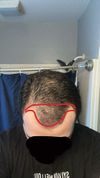
A 21-year-old male experienced side effects from topical finasteride and is seeking alternative treatments to maintain hair until Breezula is available. He is considering using minoxidil, Nizoral, micro-needling, and vitamin D supplementation, and may try CB or RU58841 if necessary.
This conversation is about a user who has been using topical finasteride and minoxidil to treat their hair loss, with the result being an intense shedding period. Other users have offered advice and encouragement for them to keep going with the treatment, suggesting they may see significant regrowth in 6 months time.
Users discuss potential game-changing hair loss treatments in the next 10 years. Some mention KX-826, SCUBE3, and stem cells as promising options, while others express doubt due to past disappointments and lack of focused research.
A 22-year-old is struggling with worsening hair loss despite using finasteride, minoxidil, and microneedling. They are seeking advice on whether to continue microneedling, feeling hopeless as their treatments have not stabilized or improved their condition.
A 24-year-old male has been using oral Minoxidil (2.5mg daily) and daily Dutasteride for hair loss, noticing slight thickening but no major regrowth. Users suggest increasing Minoxidil dosage to 5mg and maintaining consistency, with some recommending additional treatments like topical Minoxidil or considering a hair transplant in the future.
A user shared progress pictures after one year on oral minoxidil and eight months on oral finasteride, noting improved hair density and recession at the corners. The user also mentioned using volumizing shampoo, conditioner, and a homemade sea salt spray, while others debated the necessity and effectiveness of the treatments.
Dairy may contain DHT precursors that could affect hair loss and prostate health, with some users noting reduced hair shedding after eliminating dairy. Individual responses to dairy and DHT blockers vary, with some attributing hair health to diet changes and others seeing no impact.
A new topical treatment, PP405, shows promising results for hair regrowth, potentially outperforming existing treatments like finasteride and minoxidil. However, it may still need to be combined with DHT blockers for optimal results, and its long-term effectiveness remains uncertain.
Many users criticize advice on forums that suggest shaving heads instead of trying treatments like finasteride for hair loss. They argue that maintaining hair is important for self-esteem and dating success, and that baldness often requires compensating with other attributes.
The conversation humorously discusses exaggerated eyebrow regrowth, with mentions of using minoxidil and oral minoxidil for hair growth. It includes satire and jokes about political figures and cosmetic treatments.
A product called "PP405 Hair Follicle Serum" is being sold on Shopee, claiming to cure baldness without clinical trials or FDA approval, but users are skeptical and refer to it as "snake oil." Some users discuss testing the product's contents, while others share their experiences with hair loss treatments like finasteride.
The user has been taking 0.5 mg of dutasteride daily and using ketoconazole shampoo twice a week for four months, but sees no significant hair loss improvement. Others in the conversation believe the user is not experiencing hair loss and suggest the user might be overly concerned about their hairline.
A 24-year-old has been using Minoxidil and finasteride for 1.5 years with mild improvement but is being rejected for hair transplants due to age and diffuse thinning. They are seeking advice on what to do next.
Finasteride maintains existing hair, but Minoxidil is less effective on hairlines. Walton Goggins is admired for his receding hairline, possibly using Finasteride and Minoxidil without a hair transplant.
PP405 is discussed as a potential hair loss treatment, but its effectiveness and safety are uncertain. Some users express skepticism, while others are hopeful, comparing it to existing treatments like Minoxidil and Finasteride.
The user is concerned about the toxicity of a homemade topical solution of minoxidil and finasteride to their new kitten and is considering replacing minoxidil with stemoxydine. Other users suggest using oral treatments, keeping the solution away from the cat, and ensuring proper hygiene.
A user is considering using topical finasteride, topical minoxidil, RU58841, and dermarolling twice a week to address hair loss after experiencing side effects with oral finasteride. They previously saw positive results with a topical spray containing finasteride, minoxidil, and tretinoin but discontinued use due to laziness.
Some users experienced erectile dysfunction with finasteride but not with dutasteride, while others had issues with both. Individual reactions vary, with some reporting improved mood and hair growth on dutasteride.
CB-03-01 is considered a failed treatment for hair loss, with future hopes pinned on PP-405 and GT-20029, expected by 2030. Alternatives like hair transplants and SMP are discussed, while some users express frustration over the slow progress of treatments like Breezula.
Minoxidil, dutasteride, and finasteride treatments have significantly increased eyelash length, with some users experiencing eyelashes over twice the average length. Many users report increased hair growth in unintended areas, such as knuckles and body hair, while still struggling with hair loss on the scalp.
A 41-year-old is addressing hair loss by eating better, using a dermaroller, and taking Nutrafol, but many suggest adding finasteride and minoxidil for better results. The conversation includes mixed opinions on Nutrafol's effectiveness, with some recommending pharmaceutical treatments like finasteride and minoxidil for more significant hair regrowth.
A 22-year-old male experiencing diffuse thinning and frizzy hair has been using finasteride for nine months and is seeking advice on improving hair quality. Suggestions include using conditioners, biotin, rosemary oil, and addressing scalp conditions like seborrheic dermatitis or psoriasis, while finasteride may help reverse miniaturization and improve hair health.
The user experienced positive hair regrowth using 1mg oral finasteride daily, Nizoral 2% shampoo every three days, and dermastamping, without adding minoxidil due to satisfaction with current results. Initial side effects like erectile dysfunction and dry eyes resolved over time.
A user's 18-month hairline progress using minoxidil, finasteride, Nizoral, microneedling, and scalp massage. They share their routine and discuss treatment effectiveness and photo order confusion.
The user experienced anxiety and heart pounding from oral minoxidil, despite its effectiveness, and switched back to topical minoxidil. After managing anxiety, they found oral minoxidil more effective, but side effects differ for each person.
Increasing the sult1a1 enzyme on the scalp may improve response to topical minoxidil. The user suggests using a baking soda solution, DMSO, and tretinoin to enhance enzyme activity and minoxidil effectiveness.
A 23-year-old experiencing diffuse hair thinning has chosen a treatment stack including topical finasteride, a blend of rosemary, peppermint, and pumpkin seed oils, procyanidine B2 spray, ketoconazole shampoo, and scalp massages. They avoid minoxidil due to family history of side effects and oral finasteride due to high estrogen levels.
A user experienced significant hair loss after using Rogaine foam purchased from Amazon, which failed a bleach test for Minoxidil. They discovered that even legitimate Rogaine products might be faulty and advised buying from reputable sources.
A user shared progress pictures showing significant hair regrowth after 3 months using a topical foam with 5% Minoxidil and 0.25% Finasteride. They plan to add derma rolling to their routine.