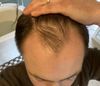
Addressing hair loss by checking vitamin D and iron levels is crucial before adding more treatments. Supplementing these deficiencies can significantly reduce shedding.
A user is seeking feedback on "Hair Gro" by New Nordic, which they are using alongside Rogaine, Nizoral shampoo, and castor oil for hair growth. They plan to update on their progress with the product, which contains ingredients like apple extract, millet extract, tocotrienols, tocopherol, L-Methionine, silicon, zinc, and biotin.
The user updated their hair loss treatment to include daily dutasteride, oral minoxidil, topical dutasteride with minoxidil and tretinoin, and RU58841. Commenters feel the extensive treatment is unnecessary for the user's level of hair loss.
The user stopped using minoxidil due to side effects and is trying alternatives like vitamin D supplementation, scalp massages, cold showers, oil treatments, zinc shampoo, and dermarolling. They report improved scalp health and some new hair growth, despite skepticism from others about the effectiveness of these methods.
ABS-201 shows promise for male hair regrowth by blocking the prolactin receptor, with higher expected efficacy than current treatments. The discussion also covers dosing differences between macaques and humans for hmi115, highlighting a significant dosage disparity.
Using a combination of low-dose topical finasteride (0.025%) and 0.5% pyrilutamide for hair loss, with a focus on minimizing side effects. The user seeks experiences and results from others who have tried this combination.
The user experienced red pimples and a rash from using topical minoxidil, possibly due to propylene glycol. Suggestions included seeing a dermatologist, switching to foam without propylene glycol, using Nizoral, and adjusting application timing.
The conversation discusses using a combination of DHT gel, dutasteride, pyrilutamide, and minoxidil to promote beard growth while minimizing hair loss. Users suggest consulting a doctor and considering genetic factors before proceeding.
A user shared progress pictures after 8 months of finasteride, 2 months of minoxidil, and 2 months of vitamin D. The post shows significant hair improvement despite some light differences in the photos.
The conversation discusses hair loss, scalp buildup, and treatments like Nizoral shampoo, Minoxidil, and dietary changes to address seborrheic dermatitis and iron deficiency. The user plans to improve their hair condition with a good routine, Nizoral, and diet adjustments.
A user discusses using latanoprost, a costly treatment that may extend the hair growth phase and improve hair quality, wondering why it's not more popular. They already use a combination of finasteride and minoxidil and plan to incorporate latanoprost into their routine.
The conversation is about a user's 3-month hair loss treatment using topical minoxidil, oral finasteride, a derma roller, ketoconazole shampoo, rosemary oil, and vitamin D supplements, alongside weight loss. Users discuss shedding, vitamin D benefits, and reducing sugar intake.
The user has been using dutasteride, oral minoxidil, and vitamin D for 8 months with no improvement in hair loss. They are considering trying RU58841 or a hair transplant due to the ineffectiveness of current treatments.
The conversation is about a user's two-year progress using oral minoxidil, dutasteride, and ketoconazole shampoo for hair loss. The user noticed hair thickening within a few months and significant improvement after a year, despite initial doubts.
RU58841 cured seborrheic dermatitis, oily scalp, dandruff, and scalp pain, improving hair health when combined with Minoxidil. Another user noted diet impacts their seborrheic dermatitis and that finasteride hasn't changed their condition.
Low-level laser therapy (LLLT) is discussed as a supplementary treatment for hair loss, with users recommending brands like LaserCap, Ideatherapy, Capillus Pro, and iRestore Pro. Users suggest combining LLLT with treatments like minoxidil and finasteride for better results.
Bimatoprost (Latisse) may help with hair thinning but is expensive and less effective than minoxidil or finasteride. Combining treatments like minoxidil, finasteride, and possibly RU58841 could be more effective for hair loss.
A 23-year-old male was using 0.5 mg of dutasteride daily, 10% minoxidil twice daily for 4-5 months then once daily, and vitamin D for a month for hair loss treatment but saw a decline in results. It's suggested that the decline may be due to reducing minoxidil application to once a day and a doctor's visit is recommended for further advice.
The user is questioning if their hair is regrowing or thinning while using dutasteride 0.5mg, minoxidil 2.5%, vitamin tablets, and ketoconazole shampoo. They are seeking opinions on their hair loss treatment progress.
Switching from finasteride to dutasteride worsened hair loss and caused a burning sensation. Users suggest sticking with finasteride, using ketoconazole shampoo, and consulting a dermatologist.
A 39-year-old user experienced hair regrowth using oral dutasteride, oral minoxidil, dermastamping, and Nizoral shampoo after switching from finasteride and topical minoxidil. They are hopeful for significant improvement in their receding hairline.
The conversation discusses how to use fluridil/topilutamide with other hair loss treatments like liquid minoxidil and CB-03-01, considering fluridil's hydrophobic nature and potential degradation with water. The user questions the necessity of washing hair only once per week as suggested by the manufacturer.
The conversation discusses hair loss treatments, specifically the use of RU58841 by individuals who did not respond to dutasteride. Users share experiences with maintaining hair using RU58841 and mention trying pyrilutamide and the upcoming availability of pp405.
The conversation discusses a shared PDF about hair loss treatments, which might help those not seeing results with Minoxidil, Finasteride, and RU58841. Some users are skeptical about the content's value and the price charged for it.
A user is experiencing severe hair loss, diagnosed with seborrheic dermatitis, and is using Ketoconazole and beclomethasone. They are concerned about potential female pattern baldness and are seeking reassurance and advice.