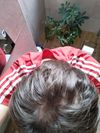
Combining minoxidil 5%, tazarotene 0.1% cream, and lumigan for hair loss treatment is discussed. The conversation focuses on the safety and effectiveness of using these treatments together.
Hair loss discussion includes potential HMI-115 treatment. Topical mucuna pruriens shows good results, blocking prolactin possibly more important than blocking DHT.
First patient dosed with Pyrilutamide (Kintor) Phase III for hair loss treatment. Pyrilutamide differs from approved treatments as it competes with DHT to bind hair follicles, potentially reducing side effects.
RU58841 stopped scalp itching for the user, providing relief from persistent itchiness associated with hair loss. Some users reported side effects like chest pain, while others found relief with different treatments like mometasone.
2% fucoidan alleviated AGA symptoms, promoted hair growth, and increased hair density in mice. Fucoidan is considered safe for humans as a supplement and topical skincare product, with potential therapeutic effects against AGA.
A user with androgenetic alopecia is using 8 ml of 1.4% topical spironolactone solution daily but is unsure if this amount is excessive, as 2 ml is more typical. They seek advice on the appropriate amount to apply.
Pyrilutamide shows minimal systemic absorption with low plasma levels and no accumulation, suggesting it's unlikely to cause systemic side effects. However, full results are not yet published in scientific journals.
A new brand is seeking 10 U.S.-based individuals aged 25+ experiencing hair loss to test a topical product containing GHK-Cu and Acetyl Tetrapeptide-3. Participants must not be using other treatments like finasteride or minoxidil and will provide feedback and photos.
The conversation discusses using a multimodal approach to treat androgenic alopecia, including substances like gamma-linolenic acid, DHA, sulforaphane, melatonin, cetirizine, astaxanthin, fisetin, apigenin, curcumin, limonene, genistein, and berberine. Users also mention using ketoconazole, minoxidil, and low-level laser therapy (LLLT) as part of their hair loss treatment regimens.
The conversation is about making a 20mg/ml RU58841 solution for hair loss treatment using ethanol and propylene glycol. The user receives advice on calculating the correct amount of RU58841 powder needed.
The conversation is about a person's hair improvement after 14.5 months using RU58841 and Minoxidil topically at 50 mg each day, with noticeable hairline improvement but incomplete crown area recovery. The person struggles to take good pictures of their crown area.
The user is using 0.1% dutasteride, 1% minoxidil with 2% procapil and 0.005% caffeine in the morning, and 1% minoxidil with 2% procapil and 0.01% tretinoin at night. They are concerned about the solution vehicle's effectiveness in preventing systemic absorption and ensuring the products stay around the hair follicles.
Kx-826 at 0.5% shows limited effectiveness for hair loss, while 1% is more promising but expensive. RU58841 is considered a more feasible option until 1% kx-826 becomes affordable.
A user who was part of an ongoing trial for a prolactin blocker and had regrowth, but the progress photos were not shared due to negative reactions from other users. Treatments mentioned include HMI-115, Minoxidil, Finasteride, and RU58841.
The conversation discusses the storage and use of pyrilutamide for hair loss, where one user advises against keeping it in the freezer as it may crystallize the active compounds.
A user shared their experience with a hair transplant, emphasizing the importance of avoiding caffeine 7 days before the procedure. Ignoring this advice led to reduced effectiveness of the numbing agent, causing significant discomfort during the transplant.
User experienced positive results with CosmeRNA for hair loss after 1.5 weeks, including reduced scalp itchiness, less oiliness, and decreased shedding. They have not felt any side effects and are happy with the treatment so far.
The user is using oral minoxidil for hair growth and is considering adding topical latanoprost, but is concerned about potential eye color change. They are seeking advice on the effectiveness of latanoprost for hair thickening and the risk of eye color change.
A 15-year-old is seeking advice on preventing hair loss, identified as Norwood level 2, and wants tips for growing long hair. They have consulted a trichologist who recommended specific shampoos.
Hair loss treatments discussed include promising Pyr available online and Verteporfin dosing after FUE for follicle regeneration, but no updates on SCUBE3.
The conversation discusses switching from RU58841 to pyrilutamide for hair loss treatment, with users generally recommending staying on RU58841 if it is effective. RU58841 is sourced from GeneTherica, which ships worldwide.
The conversation is about someone considering adding topical Cetirizine 1% to their existing hair loss treatment regimen and seeking advice on where to buy it and others' experiences with it.
Minoxidil may cause wrinkles and dark circles, which some users report can be mitigated by adjusting dosage. Reactions vary, and while some dismiss these side effects, others experience significant changes.
The conversation is about the potential impact of RU58841 on male fertility, specifically regarding sperm concentration, total count, and motility. The user is curious about the likelihood of RU58841 reducing fertility based on its mechanism of action and comparisons to similar substances.
The user asks about the order and compatibility of using topical minoxidil, stemoxydine, The Ordinary natural moisturizing factors + HA for scalp, RU58841, and Nioxin system 2 leave-in treatment. They seek advice on layering these hair loss treatments.
High dose niacin (1000mg daily) seems to have halted hair loss but did not regrow lost hair. The user plans to continue due to additional benefits like lower stress and higher good cholesterol.