A user reports high DHT levels despite taking finasteride and is concerned about inconsistent blood test results. They also take modafinil, vitamin D, and magnesium supplements.
The conversation discusses whether to wait for Breezula while using topical minoxidil to avoid side effects from finasteride. It mentions Breezula's potential release in a year and its cost and long-term use considerations.
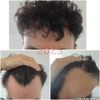
The conversation discusses patient updates on hair loss treatment with Verteporfin after five months, as reported by Dr. Blake Bloxham. Patients voluntarily sent their progress pictures to Dr. Bloxham.
The conversation discusses using cyproterone acetate at 12.5 mg to manage hair loss, with concerns about its effects on testosterone and potential health issues. Other treatments mentioned include finasteride, dutasteride, minoxidil, and RU58841, with varying experiences and outcomes.
The conversation discusses using ecklonia cava as a natural alternative to finasteride for hair loss. Users share their experiences and opinions on its effectiveness.
The conversation discusses concerns about the effectiveness of RU58841 due to high temperatures during delivery. A user reassures that the heat will not affect its efficacy.
The user stopped finasteride for family planning but plans to restart it and is considering dutasteride. Users discuss the safety of finasteride during family planning, with some sharing experiences of having healthy children while on the medication.
A person considering finasteride for hair loss checked their hormone levels before starting treatment. They are concerned about the potential increase in estradiol and its effects, as well as the impact on their sex hormone-binding globulin (SHBG) and free testosterone levels.
An 18-year-old is using a high-dose hair loss treatment with 40mg daily dutasteride, finasteride, minoxidil, tretinoin, and topical bicalutamide. Despite health risk concerns, especially liver issues, they report hair regrowth progress and intend to continue the regimen.
A user in England seeks advice on where to get a custom blood test for DHT, PRL, estradiol, SHBG, testosterone, and free testosterone before starting dutasteride. They want a baseline measurement before beginning treatment.
GT20029 is a topical treatment that degrades androgen receptors to prevent hair thinning and loss, potentially offering fewer side effects than systemic treatments like finasteride. Concerns include its impact on hair texture and potential systemic effects, with market availability speculated in 3 to 5 years.
A 22-year-old male has been experiencing hair thinning since 18 and was prescribed 50mg oral spironolactone for hair loss and high blood pressure, despite inquiring about finasteride. A reply suggests that spironolactone is less effective than finasteride and minoxidil for hair loss and recommends seeking a second medical opinion.
A 42-year-old user shared a 4-month update on their hair regrowth using a "nuclear stack" including oral and topical minoxidil, dutasteride, RU58841, micro-needling, keto shampoo, saw palmetto, biotin, multivitamins, scalp massages, and inversion table. They reported significant progress with minimal side effects and plan to continue the routine.
The user has been using 5ar inhibitors for 3 years to combat hair loss, starting with Finasteride and then switching to Dutasteride. They also use topical Minoxidil and microneedling as part of their routine, and have seen improvements in their hairline.
The user has been on finasteride for 17 months and recently switched to dutasteride, sharing bloodwork results showing no side effects. They express a wish to have started treatment earlier to save their hair.
The conversation discusses hair regrowth using 2-deoxy-d-ribose (2DDR) combined with minoxidil, with some users noting new hair growth. The original poster has been using minoxidil for 12 years and is considering combining 2DDR with finasteride, despite past side effects.
The user stopped using Alfatradiol after 4 months due to no hair improvement and side effects like dry scalp and gallbladder pain. They are considering trying topilutamide, which is suggested as an alternative.
LLLT (low-level laser therapy) is as effective or better than traditional minoxidil treatment for hair growth, with fewer side effects and improved long-term compliance due to milder adverse effects. Studies show LLLT increases hair density more than minoxidil, but drawbacks include the initial cost and the need for long-term use to see results.
The conversation is about making RU58841 solutions for hair loss treatment and sourcing ingredients for KB solutions. The user mentions using RU58841 powder from Shaanxi Greenyobiotech.
The conversation discusses using RU58841 with primobolan or masteron to protect hair while on steroids, alongside dutasteride. Users suggest caution with these compounds due to potential hair loss and discuss alternatives like nandrolone and EQ for better hair safety.
The conversation is about a user who experienced negative side effects and poor sleep after using an impure hair loss treatment 'CB' from Wuhan Hengheda Pharm, which did not offer a refund or proper customer service. The user had the product tested, confirming its impurity.
A user claims a product can treat alopecia, but others are skeptical, calling it a scam due to lack of evidence and transparency. The product is said to inhibit Type II 5-αr by 22.9%, but is considered weaker than existing DHT blockers.
Combining anastrozole with finasteride/dutasteride may affect hair, as anastrozole prevents testosterone from converting to estrogen, potentially increasing DHT. Users suggest using the lowest effective dose of anastrozole.
A 28-year-old male with a family history of baldness is deciding whether to start finasteride now or wait for visible hair changes. He is considering starting finasteride immediately to proactively address potential hair loss.
User considers adding Alfatradiol to their topical finasteride treatment for hair loss. Others discuss Alfatradiol as a weak estrogen and 5α-reductase inhibitor used for pattern hair loss in men and women.
Imidazole drugs like ketoconazole inhibit certain enzymes and prevent DHT from binding to SHBG, increasing free DHT in the bloodstream, which may contribute to balding. The discussion questions how these drugs help with hair loss despite this effect.