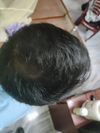
The conversation is about using dutasteride 0.5mg, minoxidil 5%, and RU58841 for hair loss treatment. Users discuss dosage, potential side effects, and experiences with these treatments.
The conversation is about a person's 6-week progress using 2.5 mg oral minoxidil, 0.5 mg dutasteride, weekly derma stamping at 1.5 mm, and rosemary oil for hair loss, with some initial shedding but no side effects. They are optimistic about future results.
The possible increased risk of severe Covid-19 cases in men due to higher androgen levels, and how taking medications such as finasteride, dutasteride, spironolactone, enzalutamide, or canabidiol might help mitigate the severity of the disease.
A 24-year-old is struggling with hair loss despite using treatments like dutasteride, oral minoxidil, RU58841, and considering a hair transplant. They are advised to continue medication, possibly increase dosages, and explore additional treatments like tretinoin and tacrolimus.
The user has been on finasteride for 18 months and added dutasteride after the first 6 months, with no hair regrowth observed. Bloodwork shows normal levels of DHT despite the use of both medications.
The conversation is about managing allopregnanolone deficiency caused by 5-alpha-reductase inhibitors like finasteride or dutasteride. Specific treatments discussed for hair loss include Minoxidil, finasteride, and RU58841.
Clascoterone 5% shows potential for hair thickening and darkening, especially when combined with treatments like finasteride. It may be a good alternative for those who experience side effects from other treatments.
The user has been using 1.25 mg of oral minoxidil and finasteride since September 2025 to address diffuse hair thinning, and is considering trying a new shampoo. Other users suggest increasing the minoxidil dose and trying dutasteride.
A user has been using finasteride and minoxidil for hair loss without success and is considering switching to dutasteride. They are concerned about low DHT levels and are seeking advice on how to implement dutasteride effectively.
A 25-year-old is using 1.25mg finasteride six times a week and 5% topical minoxidil daily for hair loss. They are experiencing reduced libido and erectile issues, possibly due to stress, and are questioning if the finasteride dosage is affecting DHT suppression.
A 31-year-old uses Minoxidil, RU58841, Reviv Hair Serum, and Ketoconazole shampoo for hair loss but avoids finasteride. They plan to reintroduce red light therapy (LLLT) and Eucapil despite previous shedding concerns.
Higher doses of dutasteride for hair loss are debated, with some users suggesting they are unnecessary and potentially unsafe. The original poster uses a combination of dutasteride, minoxidil, and RU58841 for hair regrowth, despite concerns about high dosages.
A 36-year-old man with androgenetic alopecia suspects copper and zinc deficiencies may be accelerating hair loss and is supplementing copper to address this. He is also monitoring blood sugar levels due to previous prediabetes concerns and plans to test for insulin resistance.
User shared progress pictures after 7 months of using 0.25mg finasteride daily and 1ml minoxidil twice daily, reporting no side effects and being thrilled with the results. Other users discussed the effectiveness of lower doses and the psychological impact of potential side effects.
A 22-year-old male has been using finasteride for 5.5 months to address hair loss, experiencing diffuse density loss but no hair fall. He corrected a vitamin D deficiency and noticed new hair growth, seeking advice on whether thinning stabilizes after 3-6 months or if switching to dutasteride is advisable.
The user is seeking alternative hair loss treatments due to side effects from finasteride and minoxidil. They are inquiring about the availability of gt20029 from u-lab.
The user discusses their hair loss experience, exploring various hypotheses including thyroid levels, vitamin D, DHEA, nutritional deficiency, diabetes, seborrheic dermatitis, lack of nutrition to hair follicles, chronic inflammation, female pattern hair loss causes, cortisol, and prolactin levels. They are currently using finasteride, beta-sitosterol, and have tried topical dutasteride and microneedling therapy.
The conversation discusses the use of 5-alpha-reductase inhibitors like finasteride and dutasteride for hair loss in transgender women, particularly in relation to testosterone suppression. The original poster has been using dutasteride and is considering stopping it due to undetectable testosterone levels.
A 20-year-old is experiencing hair thinning due to vitamin D deficiency and has completed a vitamin D prescription without seeing improvement. Suggestions include waiting a few months for potential regrowth or considering treatments like minoxidil or finasteride for androgenetic alopecia.
A 38-year-old user shared progress pictures after 3.5 months of using oral dutasteride, oral minoxidil, dermastamping, and Nizoral shampoo, reporting significant hair regrowth. The user is optimistic about further improvement, while others discuss the effectiveness and side effects of these treatments.
Alfatradiol is often discussed at a 1% concentration, but studies typically use 0.025%. Some users report success using it as a topical treatment alongside other hair loss treatments like finasteride.
A 21-year-old male has been using minoxidil and 0.5 mg dutasteride for hair loss but is experiencing worsening hairline and thinning. He is considering increasing dutasteride dosage, adding finasteride, or waiting before opting for a hair transplant.
A 31-year-old male considering returning to finasteride at a lower dose or using topical finasteride to assess his Norwood scale for a potential future hair transplant. He previously stopped finasteride due to side effects and has been shaving his head.
A 28-year-old male shares progress on hair loss treatment using 0.5mg dutasteride and 5mg minoxidil, experiencing initial shedding but encouraged by community support. He also uses ketoconazole occasionally based on scalp oiliness.
A 27-year-old male has been using 1mg finasteride and 2.5mg oral minoxidil daily for androgenetic alopecia, seeing good results in 3 months but experiencing thinning and density loss. He seeks advice on his Norwood scale level and when density might return.
The conversation is about a user's positive experience with hair regrowth using 2.5mg daily of Dutasteride and 5mg oral Minoxidil, noting significant progress without major side effects. The user experienced an initial hair shed with Dutasteride, which stopped after starting Minoxidil, and recommends consulting a doctor before adjusting dosages.
Topical finasteride in a liposomal formulation reduces systemic absorption compared to ethanol solutions. The user is seeking sources for such products, noting that popular options like morr-f are not liposomal.
Creatine may increase DHT levels, potentially causing symptoms like acne, oily hair, and hair shedding. Users report mixed experiences, with some avoiding creatine due to hair loss concerns and others seeing no impact.