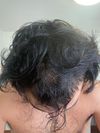
The conversation discusses using Tretinoin for treating androgenic alopecia. Specific treatments mentioned include Minoxidil, Finasteride, and RU58841.
A user experienced significant hair shedding and thinning 10 months post-hair transplant despite using minoxidil and topical finasteride. They are considering switching to oral finasteride or dutasteride and are also dealing with scalp conditions like seborrheic dermatitis.
A 24-year-old woman with AGA and TE since age 14 is questioning if her hair is regrowing or breaking. She has been using minoxidil consistently since September 2025, along with caffeine and ketoconazole shampoos, rosemary oil, and saw palmetto, and has improved her overall hair care routine.
Astaxanthin may cause increased hair shedding, affecting even transplanted hair and eyebrows. The user has tried various treatments for androgenic alopecia, including minoxidil, finasteride, and RU58841.
Melatonin is being considered as a potential treatment for androgenic alopecia, with some users discussing its effects and combining it with other treatments like minoxidil and finasteride. Concerns about melatonin's impact on hormones and side effects from other treatments like ketoconazole were also discussed.
A user has been losing hair for two and a half years after a tropical trip and illness. A dermatologist prescribed betamethasone valerate 0.1% lotion, but the user is unsure if it's safe or effective for general hair loss.
A 17-year-old is experiencing diffuse thinning, dandruff, body hair shedding, and other symptoms, possibly linked to seborrheic dermatitis or telogen effluvium. They are using ketoconazole shampoo and considering blood tests to check for thyroid issues or deficiencies.
A 22-year-old male experiencing hair thinning has been using topical finasteride and minoxidil since September 2024, with improvement except in the frontal/middle scalp area. He seeks advice on additional treatments and has started scalp massages.
An 18-year-old male experiencing hair thinning and loss is using oral minoxidil, topical minoxidil, finasteride, and a multivitamin as prescribed by a dermatologist. He's having difficulty applying the topical minoxidil effectively due to his hair length, as he feels a lot of it stays on his hair instead of reaching the scalp.
The user has been using finasteride and topical minoxidil for 15 months but is experiencing constant hair shedding, similar to telogen effluvium, despite stable widow peaks. They have checked for vitamin and mineral deficiencies, consulted specialists, and are considering further investigation like a scalp biopsy.
The user is experiencing hair loss despite using estradiol, bicalutamide, dutasteride, and topical minoxidil. They stopped minoxidil temporarily, which worsened their condition, and are considering oral minoxidil but are concerned about side effects and cost.
The conversation is about hair loss, likely androgenetic alopecia, with recommendations to consult a doctor and consider treatments like finasteride and minoxidil. The user is advised to check for vitamin deficiencies and consider topical minoxidil and oral finasteride.
Treating alopecia androgenetica with limited options, such as spironolacton, dutasteride, finasteride, minoxidil 5%, Rogaine foam for men, a shampoo with ketoconazol, iron supplement and dermarolling.
Alfatradiol (0.025%) is an effective and safe treatment for androgenetic alopecia in both men and women, increasing anagen hair rates with minimal side effects. Users discuss its cost-effectiveness and ease of use compared to other treatments like finasteride and RU58841, with some combining it with stemoxydine and Minoxidil.
The individual has experienced a sore, stiff, and itchy scalp with hair loss for 4.5 years, and has noticed increased thinning and miniaturized hairs, especially at the temples. They have tried ketoconazole shampoo without success and are considering finasteride for treatment.
A person experienced hair regrowth after reducing testosterone levels and using saw palmetto tincture and Alpecin shampoo. Other users suggested treatments like Nizoral shampoo, Aldactone, and supplements for hair loss.
Hair loss discussion includes treatments like Minoxidil, Finasteride, and RU58841. Users share experiences and support, mentioning that many people face hair thinning.
A 20-year-old experiencing hair loss was diagnosed with androgenetic alopecia and prescribed finasteride, minoxidil, and multivitamin/zinc pills. They are considering starting finasteride and minoxidil daily to maintain their hair and stop further loss.
A 43-year-old noticed significant hair thinning and is using topical minoxidil, dermarolling, Alpecin, biotin, zinc, copper, vitamin D, and rosemary oil. They plan to see an endocrinologist and have blood tests scheduled to investigate further.
The user is frustrated with ongoing hair loss despite using treatments like dutasteride, finasteride, and minoxidil, and is considering shaving their head. They are advised to maintain consistency with medication, consider oral minoxidil, and explore hair transplant options.
The user has been experiencing continuous hair loss despite using finasteride, minoxidil, and dermastamping. They are seeking advice on what to do next.
The user has tried various treatments for hair loss, including finasteride, dutasteride, RU58841, Pyrilutamide, and several topical growth factors, but continues to experience a receding hairline and thinning. Despite maintaining a healthy lifestyle, the user is unsure why these treatments are ineffective and seeks advice on the underlying cause.
A 21-year-old male experiencing hair thinning and shedding was diagnosed with androgenetic alopecia and prescribed a topical solution containing 5% minoxidil and 0.1% finasteride, multivitamins, and 0.5mg dutasteride daily. He seeks confirmation on whether this prescription is typical for his condition.
The user experienced significant hair loss after extended fasting, initially thought to be Telogen Effluvium, but later suspected male pattern baldness. They tried finasteride briefly but stopped due to concerns about side effects, and are unsure if the hair loss is due to Telogen Effluvium or another cause.
Hair growth caps and helmets using low-level laser therapy (LLLT) show potential for treating androgenetic alopecia, but more research is needed. Users often combine these devices with treatments like minoxidil and finasteride for better results.
The user has been experiencing worsening hair loss despite using finasteride, minoxidil, and later switching to dutasteride. Despite normal bloodwork and consulting dermatologists, the hair loss continues without improvement.
The conversation discusses the potential of new hair loss treatments, with a focus on pyrilutamide, gt20029, and topical alfatradiol, and the possibility of improving their effectiveness through methods like increased concentration and microneedling. Dutasteride is also mentioned as a stronger option.
A user shared their 75-day progress using oral minoxidil, finasteride, ketoconazole shampoo, and dermastamping for retrograde alopecia, reporting significant improvement and increased body hair without side effects. They also discussed quitting smoking and the potential correlation between early beard growth and male pattern baldness.
A person treated their diffuse alopecia with oral minoxidil (10mg daily), oral finasteride (reduced to 0.25mg daily due to side effects), castor oil, vitamins, and ashwagandha, and plans a hair transplant in Turkey. They stopped using topical minoxidil, have seen improved hair density, but are still experiencing hair loss.