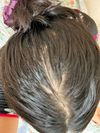
A 20-year-old female is experiencing hairline loss and seeks effective natural remedies or affordable drugstore treatments. She has tried flax seeds and aloe vera without success.
GT20026 is discussed as a potential treatment for hair loss that targets androgen receptors without affecting hormone levels, but it may not promote significant regrowth. It is expected to be available by 2028, with other treatments like Breezula and Clascoterone also mentioned.
A user experienced hair loss due to a folic acid deficiency and saw hair regrowth after taking a folic acid supplement. They advise checking for a folic acid deficiency before spending money on other treatments.
Whey protein may slightly increase hair loss in men with androgenetic alopecia (AGA) due to elevated IGF-1 and testosterone levels, but the effect is minimal compared to treatments like finasteride and dutasteride. Many users argue that whey protein's impact on hair loss is negligible and that maintaining a healthy lifestyle is more important.
The individual has experienced a sore, stiff, and itchy scalp with hair loss for 4.5 years, and has noticed increased thinning and miniaturized hairs, especially at the temples. They have tried ketoconazole shampoo without success and are considering finasteride for treatment.
A 25-year-old male experiencing diffuse thinning is advised to address high TSH levels and low iron, and consider treatments like finasteride. Weight loss and improved diet are also suggested to potentially help with hair health.
A 21-year-old expresses feeling alone and invalidated in his struggle with hair loss, seeking empathy from others. Some users share similar feelings, while one mentions making progress with dutasteride and minoxidil treatments and considering a hair transplant.
The user experienced hair thinning with dandruff and itchiness but not complete baldness, and found relief using dermarolling and castor oil. They did not use minoxidil or finasteride and discussed the potential impact of lifestyle choices on hair loss.
The user has been dealing with hair loss since middle school and has tried various treatments like mesotherapy, PRP, and red light therapy without success. Currently, they use minoxidil, finasteride, and dutasteride but are considering a hair transplant due to limited improvement.
Hair loss is causing distress and self-esteem issues, with discussions on treatments like finasteride, minoxidil, and hair transplants. Some suggest topical treatments or lifestyle changes, while others stress the importance of confidence and self-acceptance.
My hairline, I am only 23.
This conversation is about a user's experience with treatments for androgenic alopecia, including finasteride, dutasteride, RU, minoxidil, progesterone, melatonin, LLLT, oral minoxidil, and Pyrilutamide. They have tried many treatments over the course of two years without seeing much success, and they are considering getting a hair system as a last resort.
The user has been experiencing sudden and aggressive hair shedding despite using oral dutasteride and topical minoxidil for six years, and recently added topical finasteride without improvement. Possible causes discussed include stress-related hair loss, dietary changes, or high DHT sensitivity, with suggestions to consult a doctor and consider adjusting treatments.
Clascoterone 5% solution shows strong potential for hair growth, offering a new treatment for alopecia with minimal side effects. It blocks androgen receptors locally and may be available by late 2026 or early 2027.
A female user is experiencing heavy hair shedding and receding temples, possibly due to low ferritin levels. She is using oral minoxidil, iron supplements, and ketoconazole shampoo, and is hesitant to start spironolactone.
The user has been using finasteride and Alpecin shampoo for about three years, reporting thicker hair but an unchanged hairline. They are happy with their hair progress, noting the most improvement in the past five months, and mention a slight decrease in libido.
A 24-year-old male with aggressive androgenetic alopecia is using 1mg finasteride daily and considering a treatment stack including 0.5mg dutasteride, 2.5mg oral minoxidil, ketoconazole shampoo, Alpecin caffeine shampoo, and RU58841. He seeks advice on the safety and effectiveness of these treatments and whether any adjustments are needed.
A 29-year-old male shared his hair loss journey, using oral finasteride, topical minoxidil, derma rolling, and recently switching to dutasteride, oral minoxidil, and ketoconazole shampoo. He observed significant regrowth but progress slowed, hoping new treatments will enhance results.
The person experienced worsening hair loss despite using minoxidil, finasteride, and dutasteride. They are considering increasing dutasteride dosage, trying microneedling, RU58841, and oral minoxidil, and are advised to consult a trichologist.
Phase II for TDM-105795 for Androgenic Alopecia is set to begin in April 2023. The study aims to evaluate the efficacy and safety of TDM-105795 in male subjects.
Minoxidil may inhibit androgen receptors and affect hormonal pathways, potentially explaining its effectiveness in treating androgenetic alopecia (AGA). Users discuss its varying effectiveness on scalp versus facial hair and note fewer side effects with topical use compared to oral.
The user has been using a combination of treatments including Dutasteride, Minoxidil, RU58841, ketoconazole shampoo, microneedling, and low-level laser therapy to address hair loss but continues to experience shedding and density loss. Despite high testosterone and iron levels, the user is frustrated with the lack of improvement and is considering adjusting treatment or exploring other options like a hair transplant.
The conversation discusses various treatments for hair loss, including finasteride, minoxidil, dutasteride, microneedling, and checking for nutrient deficiencies. Some users suggest adding hydrocortisone butyrate, low-dose progesterone, or tretinoin to treatment regimens, while others recommend cosmetic solutions like Toppik hair fibers or shaving the head.
A 25-year-old shares progress on hair regrowth using finasteride, ketoconazole shampoo, Alpecin caffeine shampoo, and topical minoxidil, noting improved hair health but persistent temple thinning. They consider switching to oral minoxidil, adding microneedling, and possibly a hair transplant after one year.
The conversation discusses the struggle with diffuse hair thinning and the effectiveness of treatments like finasteride, minoxidil, and RU58841. Users share experiences of hair thickening and shedding stopping with these treatments, but results vary and some are skeptical.
Hair loss is linked to scalp fibrosis and tension, which result from chronic mechanical stress and androgenic signaling. Treatments include blocking androgens with finasteride, promoting hair growth with topical minoxidil, and improving scalp mobility through exercises.
A 22-year-old male uses dutasteride, a serum with 10% minoxidil and 0.5% finasteride, and microneedling for diffuse androgenetic alopecia. Progress pictures show changes from July 2025 to February 2026.
A 21-year-old is concerned about androgenic alopecia and has been using minoxidil for a year, noticing some stabilization in the hairline but fears using it on the whole scalp due to seborrheic dermatitis. Another person suggests considering a psychiatrist for stress management, using Nizoral shampoo, and possibly trying a small dose of finasteride.
Accutane use led to hair loss and seborrheic dermatitis for many, with treatments like dutasteride, minoxidil, and Nutrafol being used to manage symptoms. Some users reported improvement, while others experienced persistent issues or side effects from treatments like finasteride.
Pelage Pharmaceuticals' PP405 aims to treat hair loss by reactivating dormant hair follicle stem cells, showing promising results in early trials. The company plans to present their findings at the American Academy of Dermatology Annual Meeting in 2026.