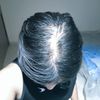
Stopping finasteride and dutasteride led to significant hair shedding, but restarting finasteride may help regain previous hair thickness. The shedding is likely temporary and may stabilize in a few months.
Finasteride use led to increased body hair and shedding, possibly due to Reflex Hyperandrogenicity. The user is considering trying Finasteride again and seeks advice on whether to proceed.
The user is exploring hairgrowth stimulants other than Minoxidil, mentioning Stemoxydine, various peptides, drugs like Latanoprost and Bimatoprost, and natural remedies such as Rosemary Oil and Caffeine. They express concerns about the long-term effectiveness and safety of these alternatives and seek more information on viable options for hair regrowth.
Switching from finasteride to dutasteride led to significant hair thinning and receding for the user, despite using topical minoxidil daily. Many users suggest that shedding is common with dutasteride, but some recommend returning to finasteride if no improvement is seen after a year.
The importance of lighting when taking progress pictures and discussing hairgrowth, as dramatic changes can be seen even without real improvements. The users also discussed methods such as Fin min and dermarolling for treating hair loss.
A person shared their positive experience with a hair transplant at Sule Hair Transplant in Istanbul, performed by Dr. Selahattin Tulunay using the Hybrid FUE technique with 5,000 grafts, costing €2,990. The user reported significant hairgrowth and satisfaction at 3, 6, and 12 months post-surgery, without using finasteride or minoxidil, but faced skepticism from others about the authenticity of their post.
A person had a hair transplant at Diamond Hair Clinic with Dr. Mehmet Demircioglu using the Sapphire FUE method with 4500 grafts. They are using Duasteride, oral and topical Minoxidil, and vitamins for recovery and hairgrowth.
The user follows a hair loss treatment routine including Propecia, oral minoxidil, ketoconazole, and plans to switch to dutasteride. They also focus on lifestyle changes, dietary supplements, and are considering laser therapy.
The conversation discusses why DHT (dihydrotestosterone) negatively affects scalp hair but promotes growth elsewhere on the body. Various opinions include genetic predispositions, differences in hair follicle reactions to DHT, and the potential role of Omega-3 in reducing inflammation and promoting hair health.
The user experienced significant hair regrowth using oral finasteride and topical minoxidil, but switching between oral and topical minoxidil led to hair loss and uncertainty about future treatment. They are considering sticking with oral minoxidil and finasteride, possibly adding dutasteride or opting for a hair transplant.
A 20-year-old male experienced bald spots and used minoxidil, which led to hair regrowth but also premature graying. He seeks advice on reversing graying through diet or supplements like catalase, while another user suggests vitamin D3 and sesame for hair color.
A boyfriend's hair improved significantly over 10 months using minoxidil, steroid cream, antihistamine cream, and wild growth oil, with a strict cleaning regimen. His partner's dedicated care contributed to the transformation.
The user experienced beard loss from finasteride and RU58841 while managing hair loss. They plan to increase RU58841 dose, use a dermaroller, and consider oral minoxidil to improve hairgrowth without affecting their beard.
Stopping dutasteride for a year caused significant hair loss, and resuming it with oral minoxidil led to only partial recovery. Users discuss treatments like finasteride, microneedling, and RU58841, noting mixed results and side effects.
Minoxidil was applied to a single miniaturized hair follicle over four months, resulting in less miniaturization but not yet terminal growth. The user used a 5% minoxidil solution, specifically the Regaine brand, and observed changes using a handheld WiFi microscope.
A user reported positive hair regrowth using finasteride and minoxidil for 2 months, noting thicker roots and improved appearance. The post led to skepticism and discussions on treatment methods and side effects.
Peptides like TB500, KPV, GHK-CU, and BPC-157 are overhyped for hairgrowth with limited proven effectiveness in humans. Combining peptides with delivery methods like iontophoresis and sonophoresis shows promise, but many claims remain unproven.
The conversation discusses the potential of long-chain unsaturated fatty acids, like oleic and linoleic acid, as an additional treatment for hair loss, which may inhibit the enzyme responsible for converting testosterone to DHT and promote hairgrowth. Users humorously suggest using oils topically and discuss other hair loss treatments, but the main focus is on the science behind fatty acids and their role in hair health.
A 44-year-old experienced hair regrowth after a snowboarding injury using detox, diet changes, vitamins, collagen, krill oil, and scalp massages, without Minoxidil or finasteride. Another person was skeptical, suggesting these methods may not work for everyone.
A 29-year-old male experienced significant hair regrowth over 8 months using a protocol of oral Minoxidil, Dutasteride, Pyrithione Zinc Shampoo, and peptides GHK-CU, BPC-157, and TB-500. The treatment led to improved scalp coverage, reduced hair loss, and thicker hair, although results may vary for others.
The user experienced side effects from oral minoxidil, such as palpitations and insomnia, and switched to topical minoxidil, which led to noticeable hair regrowth, especially at the hairline. They also use finasteride and observed increased hair shedding initially, which later stabilized.
Tretinoin alone has led to hair regrowth in the temples and hairline. The user is considering oral minoxidil or dutasteride but prioritizes health first.
A user who experienced significant hairgrowth after using finasteride and minoxidil foam for five and six months respectively, with the addition of a hair transplant.
A 19-year-old male experienced significant hair loss, initially thought to be male pattern baldness (MPB), and used minoxidil and briefly finasteride. After realizing the issue was telogen effluvium (TE), he improved his diet and supplemented with vitamins, which led to substantial hair regrowth.
Microneedling is still considered effective for hairgrowth, especially when combined with minoxidil, though it is time-consuming. Some users report significant success with consistent use, while others find it less popular due to the effort required compared to topical treatments alone.
Microneedling with minoxidil significantly boosts hairgrowth, even for non-responders to minoxidil alone. The routine includes a 1.5mm dermaroller weekly and minoxidil twice daily, with some users adding finasteride and tretinoin.
Finasteride has led to significant hair regrowth for some users, with noticeable improvements in two months, but side effects like erectile dysfunction have caused some to stop using it. Some users combine finasteride with minoxidil and other supplements, despite concerns about side effects.
Vitamin D supplementation may have led to slight hair regrowth and density improvement. Other treatments discussed include finasteride, minoxidil, and maintaining optimal vitamin D levels.
Microneedling combined with minoxidil is more effective for hairgrowth than microneedling alone. Optimal results are seen with weekly microneedling using 0.5 - 1mm needles and regular minoxidil application, avoiding minoxidil on the needled area for 24 hours.