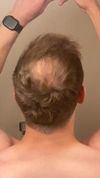
Pyrilutamide, a possible hair loss treatment, ceasing to be traded due to patent laws; and the hope that this indicates it may be a legitimate treatment.
A 43-year-old male with advanced hair loss is experimenting with alternative treatments, including red light therapy, microneedling, scalp massages, an oil mix, and ketoconazole shampoo, after previously experiencing side effects from finasteride and minoxidil. He noticed some minor changes with red light therapy but remains skeptical about significant improvement.
Amplifica starting clinical trials for new hair loss drug. SCUBE3 protein discovered, stimulates hair growth, could be alternative to Minoxidil and Finasteride.
Using topical finasteride with creatine might help reduce hair loss by targeting local DHT while maintaining normal systemic levels, but results are uncertain without testing. Users report mixed experiences with topical treatments like finasteride, dutasteride, RU58841, and minoxidil, with some seeing regrowth and others experiencing side effects.
A 40-year-old male using 1mg finasteride and Costco liquid minoxidil for almost 2 months reports noticeable improvement in hair regrowth, though his temples remain recessed. Encouragement from others suggests continued use will yield further progress.
The user is considering switching from liquid to foam minoxidil for hair loss at the crown, while already using finasteride pills. They are also contemplating a hair transplant due to ongoing hair thinning.
The conversation discusses hair regrowth after 7 months of treatment, with the recent addition of tretinoin 0.05%. The treatment routine remained the same as before, except for this new addition.
The FDA policy change may speed up approval for hair loss drugs like PP405, VDPHL-01, and Breezula by potentially eliminating the need for a second confirmatory Phase 3 trial. Approval timelines could be as early as 2028 for some treatments if Phase 3 results are strong.
Treatments for hair loss, specifically discussing the use of RU58841 and Pyrilutamide from Actifolic. The poster is inquiring about experiences with these products and results.
A user shared progress pictures showing significant hair regrowth after using finasteride and minoxidil for six months. Other users discussed their varied experiences with these treatments and offered additional advice.
The conversation discusses the anticipation and skepticism around the release of GT20029 for hair loss treatment. The original poster has been using Finasteride and Minoxidil but is hopeful for GT20029, while others express doubts about its timely release and suggest alternatives like KX826 and hair transplants.
PP405 shows promise for hair growth with significant results after 4 weeks, but skepticism exists due to its unavailability. Some users are hopeful for its potential, while others express concerns about side effects and market release delays.
The conversation is about hair loss treatment progress using a combination of 0.1% finasteride, 0.025% tretinoin solution, and 2.5mg oral minoxidil. Users express positive reactions and hope for similar results.
The user has been using a topical treatment combining finasteride, minoxidil, and caffeine for 9 months without noticing any changes and is inquiring about blood tests to check for finasteride resistance. They had their DHT levels checked, which were 54 ng/dl, and are planning to share progress pictures soon.
A 20-year-old with stage 3 hair loss saw good results using Topical Min 5%, Oral Fin 1mg, DHT Blocker Shampoo, and DHT blocking and Vitamin gummy. The doctor advised stopping Fin after six months due to hormone concerns, but the user is hesitant.
The conversation discusses skepticism and diminishing excitement around the hair loss treatment PP405 due to unclear trial results. It also mentions other treatments like finasteride, minoxidil, VDPHL01 (extended-release minoxidil), and GT20026 as potential options for hair loss management.
A user reported visible hair regrowth after using finasteride for almost six months and inquired if results continue improving over time. They also mentioned using finasteride with sulforaphane and experiencing only minor side effects initially.
The conversation discusses the use of 5-alpha-reductase inhibitors like finasteride and dutasteride for hair loss in transgender women, particularly in relation to testosterone suppression. The original poster has been using dutasteride and is considering stopping it due to undetectable testosterone levels.
The conversation discusses doubts about the effectiveness of topical finasteride for hair loss, suggesting that DHT could be produced elsewhere in the body and affect the scalp. It proposes that androgen receptor antagonists like spironolactone and clascoterone might be more effective as they could prevent this potential bypass mechanism.
A 23-year-old male is using topical minoxidil and oral finasteride for hair regrowth, noticing some progress on his temples and seeking advice on whether this indicates overall scalp improvement. Users suggest patience, as regrowth can take time, and advise against a hair transplant, noting that the current treatment seems effective.
The conversation discusses using topical Calcipotriol and Valproic Acid for hair loss, focusing on their mechanisms involving the VDR receptor and Wnt/beta-catenin pathway. Specific treatments mentioned are Minoxidil, Finasteride, and RU58841.
The conversation is about using alfatradiol (17α-estradiol) as a hair loss treatment. The user is considering adding it to their regimen due to its safety and availability.
A user reported noticeable hair regrowth using a 272 diode red light therapy hat over 11 months without Minoxidil or Finasteride. Opinions vary on its effectiveness compared to traditional treatments, with some suggesting combining therapies for better results.
Excessive scalp sebum, worsened by DHT, can lead to inflammation and hair loss, with clascoterone mentioned as a treatment. Diet changes seem ineffective for scalp sebum, and treatments like minoxidil and finasteride are suggested.
Winlevi is being considered for hair loss by someone who wants to avoid systemic hormonal changes. Minoxidil, finasteride, and RU58841 are also mentioned as treatments.
Actifolic's RU58841 and Pyri products are perceived as ineffective, with users reporting no side effects or improvements, suggesting possible quality issues. Users recommend alternative sources and emphasize the importance of timing when using RU58841 with Minoxidil.
PP405 shows potential for hair growth, with 31% of advanced balding men experiencing over 20% increase in hair density in 8 weeks. However, skepticism persists due to selective data presentation and lack of long-term results, with comparisons to treatments like minoxidil and finasteride.
The user is considering combining finasteride and minoxidil tablets into a topical solution that already includes Garnier Fructis stemoxydine and CB0103. They are seeking advice on whether this combination is effective and safe.
User discusses hair loss treatments, including fluridil, minoxidil, tretinoin, melatonin, stemoxydine, ketoconazole, and piroctone olamine. They suggest that shedding healthy terminal hairs may be bad, while shedding weaker hairs could indicate a beneficial treatment effect.