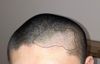
The user experienced significant hair regrowth and darkening after 4.5 months using 1 mg Finasteride and 5% Minoxidil. Despite improvements, they are still considering a hair transplant for a better hairline.
The conversation is about a user's progress in treating diffuse hair thinning using a topical regimen including finasteride, minoxidil, ketoconazole, microneedling, saw palmetto, collagen, and vitamins, along with lifestyle changes. The user plans to switch from topical to oral finasteride for potentially better results.
Oleic acid and ethanol are being considered for hair regrowth, with some users planning to self-experiment. There is skepticism about their effectiveness, and ongoing use of treatments like finasteride and minoxidil is mentioned.
A user shared their positive experience with Trichogenics for hair restoration, highlighting their unique zigzag hairline technique and personalized attention. They had 1700 follicles transplanted and praised the natural results.
The conversation discusses alternative and unorthodox hair loss treatments, including RU58841, nandrolone, and dianabol, as well as theoretical approaches involving high doses of estrogen and selective estrogen receptor modulators. These methods are considered extreme and potentially harmful but are explored for those unable to tolerate traditional 5-alpha reductase inhibitors.
Stemson raised $15M for hair cloning, with hopes it becomes a reality in 10-20 years. Users are hopeful and discuss using Minoxidil and finasteride in the meantime.
The conversation discusses verteporfin as a potential treatment for hair regeneration, which could lead to unlimited hair transplants by healing the donor area. Some users are considering using verteporfin now, while others are hopeful it will be available for future hair transplants.
A user shared their positive experience using Fleava (copper peptides), minoxidil, and micro needling for hair regrowth, noting significant improvement in their hairline. Other users believe the success is primarily due to micro needling and minoxidil.
Kintor 0.9% is not effective for hair regrowth or thickening and may cause testicle sensitivity. The conversation criticizes the hype around Kintor and discusses the ineffectiveness of pyrilutamide compared to other treatments like RU58841, finasteride, and minoxidil.
A 29-year-old male has been taking 1mg finasteride daily for 8 months and using 5% minoxidil with tretinoin but is experiencing increased hair shedding and higher DHT levels. He is concerned about the effectiveness of finasteride and has noticed low libido and occasional ED.
The user has been on finasteride for over two years, experiencing early hair regrowth, acne, and scalp sensitivity, but now faces thinning hair and questions about dosage and long-term effectiveness. They also used retinal to help with acne and are seeking advice on whether to adjust their finasteride dose.
Topical finasteride in a liposomal formulation reduces systemic absorption compared to ethanol solutions. The user is seeking sources for such products, noting that popular options like morr-f are not liposomal.
The user has been using a hair loss treatment regimen including RU58841, minoxidil, and dutasteride, but still experiences hairline recession and fatigue despite high testosterone levels. They are considering adjusting their dutasteride dosage due to concerns about libido and energy levels.
The conversation discusses using cyproterone temporarily to reverse hair loss, followed by finasteride to maintain regrowth. Concerns about cyproterone's side effects, such as lowering testosterone and potential health risks, are raised, with alternatives like spironolactone suggested for androgen-related issues.
The post discusses an 18-month hair regrowth journey using finasteride and minoxidil, along with natural supplements and caffeine shampoo, showing new hair growth around the hairline. The individual has also scheduled a hair transplant for the end of the month.
A 29-year-old reports positive hair recovery after 7 months using liposomal topical finasteride and minoxidil, low-level light therapy, and vitamins, following a 3600 graft DHI procedure. They experienced no side effects from the topical treatment, unlike with oral finasteride.
Hopeful treatments for hair loss, including Verteporfin, Androgen Receptor Degradation, and SCUBE3. These treatments offer potential solutions to slow or stop the effects of androgens on the scalp.
The user is experiencing sudden hair loss and is considering micro-needling, low-level light therapy, iron supplements, folihair, and Omega 3. They are hesitant to start finasteride, suspecting the hair loss might be due to telogen effluvium from a past COVID-19 infection.
Finasteride stopped working for a user after 3 years, and they are considering switching to dutasteride. Other users suggest trying dutasteride, with some sharing positive experiences and additional treatments like minoxidil and RU58841.
The conversation is about comparing hair loss treatments Pyrilutamide (KX-826) and CB-03-01, discussing their cost, side effects, and effectiveness. The user questions whether to try CB-03-01, which is more expensive and potentially less effective, or switch to the cheaper and possibly better Pyrilutamide.
The conversation discusses how to use fluridil/topilutamide with other hair loss treatments like liquid minoxidil and CB-03-01, considering fluridil's hydrophobic nature and potential degradation with water. The user questions the necessity of washing hair only once per week as suggested by the manufacturer.
A user inquired about Cipla Tugain Men, a topical solution containing Minoxidil 5% and Finasteride 0.1%, noting its less greasy texture and good price. Responses suggest it's similar to other products with the same ingredients, questioning the effectiveness of additional components.
Green tea extract combined with red light therapy is being considered for hair growth on the scalp. Traditional treatments like finasteride, dutasteride, and minoxidil are also mentioned.
Hair follicles are mostly dormant but can be reactivated with treatments like minoxidil, finasteride, and microneedling. A new drug, PP405, shows promise for hair regrowth but may not be available until 2027-2028.
The user is using finasteride 1mg every other day and seeks a topical solution to complement it, excluding minoxidil. They are considering various combinations of ingredients like finasteride, dutasteride, and tofacitinib, with options for nourishing oils and other additives.
A new alcohol-free, propylene glycol-free topical finasteride foam is available for prescription in Canada and the USA, offering a cleaner alternative for hair loss treatment. The product also offers a combination of 0.1% finasteride with 5% minoxidil and aims to be affordable and less irritating for sensitive scalps.
An 18-year-old noticed hair thinning at 17, started finasteride 5 months ago, and saw shedding stop but no regrowth. They suspect male pattern baldness due to family history and are concerned about thinning on the back and sides, possibly due to inflammation.
A user is concerned about hair shedding despite noticeable regrowth after 7 months of using finasteride. The dermatologist confirmed positive results, but the user remains skeptical and confused.