Search
for
Sort by
Community Join
810-840 / 1000+ resultscommunity Do the more newer gen topical retinoids e.g. tazarotene outperform tretinoin in inducing follicular sulfotransferase activity?
community Hair Growth Caps and Helmets Research
Hair growth caps and helmets using low-level laser therapy (LLLT) show potential for treating androgenetic alopecia, but more research is needed. Users often combine these devices with treatments like minoxidil and finasteride for better results.
community 18.5M with Rapid Hair Loss, Considering Finasteride After Saw Palmetto & LLLT
An 18.5-year-old experiencing rapid hair loss is being treated with saw palmetto, vitamins, and red light therapy, but these seem ineffective. The consideration of finasteride is discussed, weighing its potential side effects against the emotional impact of early hair loss.
community PSA: Stop overpaying for your Fin/Dut and get your meds for $20/year.
Finasteride and Dutasteride can be obtained cheaply through Amazon One Medical with an Rx Pass subscription for $20/year. Users discuss various options and costs for hair loss treatments, including Blink Health and Mark Cuban's pharmacy.
community Binding affinity does not equal potency for anti androgens? Comparing pyrilutimide to cb-03-01
Pyrilutimide and CB-03-01, two treatments for hair loss, have similar clinical trial results despite different binding affinities to androgen receptors. Factors other than binding affinity, like the time a drug stays bound to the receptor, may influence their effectiveness.
community Any experiences with/thoughts on Zeuss sublinguals?
Zeuss sublingual products for hair loss, including finasteride and a finasteride-free option, are discussed for their potential to reduce side effects through sublingual delivery. The inclusion of copper peptides is noted, but the high price is a concern without more user feedback.
community 2 years apart progress pics, feedback appreciated
community BlueMagic Clinic vs Smile Hair Clinic comparison based on results?
BlueMagic Clinic is praised for communication and follow-up, while Smile Hair Clinic is noted for consistent results and visible doctors. Both clinics have mixed reviews, with some users advising against them due to concerns about quality and aftercare.
community Anyone here used spirolactone/cyproterone acetate/bicalutamide?
The conversation discusses the use of spironolactone, cyproterone acetate, and bicalutamide for hair loss, with concerns about side effects like gynecomastia and depression. Topical spironolactone is considered safe for men and effective when combined with regular treatments.
community Be careful about using non-PG based alternatives of Minoxidil (mathematically speaking, haven’t seen much practical studies)
community Having AGA as a girl makes me depressed
A 20-year-old woman with androgenetic alopecia feels depressed about her hair loss, despite using topical minoxidil, spironolactone, and saw palmetto. Suggestions include trying oral minoxidil, higher doses of finasteride or dutasteride, and checking for vitamin deficiencies and heavy metal exposure.
community 3 Month Mark Update, Fin 1mg/Min 2ml ED
community Dealing with Retrograde Alopecia
User on Dut, oral minox 20 mg, Saw Palmetto, Pumpkin Oil, RU, 8% topical minox, and topical fina for hair loss; top of head improves, but retrograde alopecia worsens. Asks for options besides exosomes and where to find topical melatonin.
community Fin bad responder? My experience
The user experienced side effects from ecklonia cava similar to those reported with finasteride, including depression, brain fog, anxiety, and testicular pain. Despite these issues, the user is still considering using topical finasteride in the future.
community IGE Hair Loss and Miniaturization
A 23-year-old male is experiencing diffuse hair loss and miniaturization, possibly due to high IGE levels after using tofacitinib. He seeks advice and has not yet consulted a dermatologist.
community Red Light Therapy: my experience
A user shared their positive experience with the Omnilux Red Light mask for skin and potential hair benefits, while also using Minoxidil, Dutasteride, and RU58841. They recommend the mask for those interested in skincare and red light therapy, despite being unsure of its effectiveness for hair growth.
community Month 2.5 redo. Topical fin/min microneedling once a week.
A user who initially had positive results with oral finasteride, topical minoxidil, and microneedling for hair loss, but experienced side effects like fog and depression. After stopping and losing progress, they restarted with topical treatments and microneedling, reporting good results and no side effects.
community Seems I have acquired progressive kinking of the hair, potentially brought on by minox.
User experienced hair kinking after starting minoxidil, despite being on finasteride for two years. Another user confirmed similar issues and suggested switching brands due to propylene glycol in minoxidil.
community Antihistamines interaction with Finasteride.
Stopping antihistamines may resolve neurological side effects when using finasteride. Users experienced muscle aches, headaches, and lethargy when combining the two.
community 3 month progress - age 36. Min/fin/dut. Recently added cosmerna.
User reports 3-month progress using daily 1mg finasteride, 0.5ml minoxidil (2x daily), 0.5ml dutasteride, and derma rolling 0.5mm 1-2 times per week. They see increased density on crown and top of head, slight progress in corners and temples, and recently added cosmerna.

community Should I Seek a Second Opinion on Finasteride at 22?
The user is concerned about hair loss and has been using finasteride and minoxidil. The doctor refused to prescribe finasteride due to a perceived increased risk of prostate cancer, prompting the user to consider seeking another doctor's opinion.
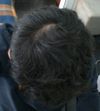
community 25 M Could this be the start for AGA? Should I be worried?
The user is experiencing hair loss, initially diagnosed as Telogen Effluvium due to stress, but is concerned it might be Androgenetic Alopecia (AGA). A suggestion was made to consider using Minoxidil or Finasteride if the condition worsens.
community Yes, your hair CAN get worse on dutasteride and fin DOES work better for some (With pictures over 1.5 years)
Switching from finasteride to dutasteride can worsen hairlines for some, as experienced by the original poster. Finasteride worked better for them, and they suggest returning to it if dutasteride causes hair loss.
community 3.5month update. Hairline progress
community Trichoscopy. 5 month difference. Picture of my sink after applying sea salt spray
The user is using minoxidil and finasteride to treat hair loss and is concerned about shedding and potential aggressive hair loss. They noticed some regrowth in trichoscopy pictures but are unsure about real-life changes.

community M31. Should i continue with min + tretinoin or i should go for a HT on the temples?
The user is using dutasteride, oral minoxidil, and topical minoxidil with tretinoin for hair loss. They are considering whether to continue this treatment or opt for a hair transplant for their temples.
community NW5.5 testing stack of most common "alternative" treatments and methods
A 43-year-old male with advanced hair loss is experimenting with alternative treatments, including red light therapy, microneedling, scalp massages, an oil mix, and ketoconazole shampoo, after previously experiencing side effects from finasteride and minoxidil. He noticed some minor changes with red light therapy but remains skeptical about significant improvement.
community DUPA - Impossible to cure, so giving up
The user diagnosed with DUPA tried treatments like dutasteride, finasteride, RU58841, and minoxidil without success and is considering a hair system. They hope for a future cure, possibly with PP405, and others suggest options like scalp biopsy and SMP.
community No, Finasteride as a treatment for MPB was not an "accident"
Finasteride was intentionally developed to treat BPH and later approved for male pattern baldness (MPB) due to its 5AR inhibition effects. The delay in MPB approval was due to concerns about off-label use for female hirsutism and the prioritization of treating a more debilitating condition.