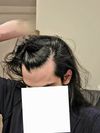
A user with long-term hair loss has been using topical minoxidil, finasteride, RU58841, ketoconazole, and dermastamping for 8 months. They are unsure if the new hairs are miniaturized or vellus.
TE (telogen effluvium) is often misunderstood and is triggered by severe stress or trauma, not minor daily inconveniences. Most hair loss cases are due to male pattern baldness (AGA), and treatments like Minoxidil and finasteride can help.
Diffuse thinning is often due to androgenetic alopecia, and DHT blockers like finasteride are recommended. Treatments mentioned include minoxidil, finasteride, dutasteride, and RU58841, with emphasis on starting early and using a holistic approach.
The user underwent a hair transplant in Boston, initially dissatisfied with the results, but later achieved significant improvement in hair density and natural appearance after consulting a different surgeon. They used finasteride, minoxidil, and low-level laser therapy as part of their treatment.
The conversation discusses potential hair loss treatments focusing on stimulating IGF-1 at the follicle level using growth-factor cocktails and engineered peptides, such as Acetyl Tetrapeptide-3, Copper Tripeptide-1, Oligopeptide-20, Thymosin-β4, and Palmitoyl Tetrapeptide-7. It suggests that device-assisted delivery methods like microneedling may enhance effectiveness.
User "hemantch" shares 5 months progress using topical Fin, Min, topical Dut, and a laser cap for hair loss. Significant regrowth was noticed after 1 month, and the treatments worked well despite being bald for 10 years.
Fatty acid metabolic signaling can activate epithelial stem cells for hair regeneration. Oleic and palmitoleic acids showed the best results, but practical application on humans remains uncertain.
The review discusses traditional hair loss treatments like minoxidil and finasteride, and newer options like Low-Level Laser Therapy, microneedling, and platelet-rich plasma for androgenetic alopecia. It highlights the need for more high-quality trials to assess these treatments' effectiveness and standardized protocols for emerging therapies.
MCL-1 is important for hair follicle stem cell survival, but its impact on human hair regrowth is unclear. Minoxidil and finasteride are the main treatments, with doubts about new discoveries leading to effective human solutions soon.
Verteporfin might be a potential cure for hair loss and could heal scars, which may lead to natural-looking results when combined with hairline lowering surgery. One person suggests waiting to see if verteporfin actually works as claimed.
The conversation discusses using a custom topical from Skin Medicinals containing latanoprost for hair loss, which helps move hairs into the anagen phase. The user is curious about the cost and effectiveness of this treatment.
Male pattern baldness and diffuse thinning can both be forms of androgenetic alopecia (AGA), and it's important to consult a doctor for proper diagnosis. Treatments like Minoxidil, Finasteride, and biotin are discussed, but their effectiveness varies, and side effects are a concern.
A user experienced hair thinning due to traction alopecia from using Murray's Beeswax and is considering treatments like minoxidil and finasteride to reverse the damage. Another user suggests consulting a hair specialist, as the hair may not regrow if scar tissue has formed.
Dermatologists use treatments like oral minoxidil, finasteride, and RU58841 for male-pattern baldness, considering side effects and patient preferences. Photobiomodulation is noted as mildly effective but costly, while PRP is debated for its effectiveness compared to microneedling.
Researchers finding that microRNA can potentially regrow 90% of lost hair, and the challenges involved in moving this research forward to human trials. Various treatments for hair loss, such as finasteride and minoxidil, have been discussed.
The conversation is about hair regrowth or miniaturization after two months of using minoxidil and spironolactone. Specific treatments mentioned are minoxidil and spironolactone.
Adipose fat cells and stem cells may help treat hair loss by restoring the scalp's thickness. Treatments like NanoFat injections and Botox are discussed for their potential to promote hair growth.
The conversation discusses hair regrowth and miniaturization, with the user transitioning to oral dutasteride and oral minoxidil, and occasionally using topical minoxidil. The user observes baby hairs near the hairline but less on the scalp, indicating possible regrowth and shedding.
PP405, a topical LDH inhibitor, has shown to stimulate hair follicle stem cell proliferation in humans with moderate hair loss. They are advancing to more detailed trials this year.
Hair follicles can be dormant and potentially revived with treatments like finasteride and minoxidil, but irreversible loss occurs if certain structures are destroyed. Early intervention is more effective, and additional methods like microneedling may help.
The conversation discusses using USB microscopes for scalp photos and provides a link to an overview of trichoscopy. Treatments mentioned include Minoxidil, finasteride, and RU58841.
The user experienced hair regrowth and thickening using 1mg oral finasteride, 3mg oral minoxidil, biotin, vitamin D, red light therapy, and microneedling. Some shedding occurred around 4-6 weeks into the treatment.
A 35-year-old male uses topical minoxidil, spironolactone, and microneedling for hair loss, with spironolactone prescribed based on a DNA test indicating poor response to finasteride and dutasteride. Despite concerns about the test's validity and spironolactone's side effects, he reports stable or improved hair condition and no low testosterone symptoms.
Clascoterone 5% topical solution shows promise for treating male-pattern hair loss by blocking DHT at the follicle without systemic absorption, potentially offering fewer side effects than oral treatments like finasteride. While results are promising, long-term safety and effectiveness need further study, and it may serve as a starting point for developing more effective treatments.
A 27-year-old Asian male is treating hair loss with 1mg oral finasteride, topical minoxidil twice daily, and 1.5mm microneedling weekly. The discussion is about his progress with these treatments.
The conversation is about comparing the effectiveness of fluridil and clascoterone in preventing hair loss and inquiring about their use as standalone treatments. There is a question about the concentration of the fluridil brand for efficacy.
User hoodoomoovoo discusses their interest in stem cell research and its potential for hair loss treatment. They share links to studies and mention ongoing trials, expressing optimism for a future solution to hair loss.
The conversation discusses a 24-year-old Korean man's progress with hair loss treatments over 8-9 months, with specific treatments not mentioned due to redacted information. Users are commenting on the effectiveness and inquiring if Asians have better results with hair loss treatments.
A 30-year-old male is experiencing hair loss and is concerned about his receding hairline, seeking advice on his Norwood scale classification. He is apprehensive about using Minoxidil and finasteride as treatments.