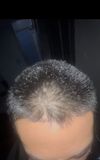
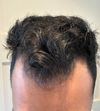
A 26-year-old is experiencing unexpected hair shedding on the scalp, eyebrows, eyelashes, and body, along with greasy skin, and has decided to see a doctor. They are seeking advice and support.
Alcohol-free minoxidil options in Europe, particularly from a German pharmacy, are recommended for those with seborrheic dermatitis. Users suggest alternatives like Alopexy and Doppelherz foam, and emphasize avoiding propylene glycol and alcohol to reduce irritation.
Mixing RU58841 with cetosomal minoxidil is discussed due to scalp irritation from ethanol PG vehicles. A mixture of the two turned bright pink when left to dry.
A peptide from Japanese water chestnut fruit may help with hair loss by suppressing DHT's effect on hair follicle cell death, potentially serving as a finasteride alternative. The treatment's effectiveness and safety in humans remain uncertain.
The user is using finasteride, minoxidil, and ciclopirox shampoo for hair loss and is considering adding a topical anti-androgen like RU58841, Clacosterone, or KX286. They have scheduled a hair transplant and are concerned about the cost and effectiveness of future treatments.
A user shared their 1.5-month progress using a routine of topical finasteride and minoxidil gel, minoxidil foam, microneedling, keto shampoo, and a multivitamin. They reported noticeable hair regrowth for the first time in a decade.
The user is disappointed with their hair loss progress after six months of using oral medications, laser therapy, microneedling, and vitamin D supplements. They are considering exosome therapy but are unsure of its effectiveness and are seeking advice on whether to continue or try other treatments.
Treatments for hair loss, including using finasteride and minoxidil regularly, together with keto shampoo and dermapen; the user's progress since starting treatment five months ago; and discussion of potential side effects.
The user has experienced significant hair regrowth using finasteride, oral minoxidil, microneedling, keto shampoo, an LLLT helmet, vitamins, and supplements. They note progress but hope for further improvement in a specific area.
The conversation discusses the link between seborrheic dermatitis, acne, and male pattern baldness, suggesting that DHT may cause both skin conditions and hair loss. Treatments mentioned include RU58841, finasteride, dutasteride, minoxidil, Nizoral shampoo, and other topical anti-androgens.
A 20-year-old with thinning hair has low vitamin D and normal testosterone. They are prescribed oral minoxidil and vitamin D, and are questioning if finasteride is also necessary.
A user is considering mixing Stemoxydine, RU-58841, Alfatradiol, and Tretinoin into a single topical solution for hair loss. They are concerned about potential interactions that could reduce the effectiveness of these ingredients.
The user has been using topical minoxidil, finasteride, microneedling, and laser light therapy for 11 weeks to address hair thinning. They report difficulty applying the treatment due to increased hair thickness and are unsure if the results are significant.
The user experienced increased hair shedding after using RU58841, despite initial improvements in scalp condition and appearance. They are considering stopping RU58841 to see if shedding decreases.
A 26-year-old is experiencing hair thinning and has received conflicting diagnoses of androgenetic alopecia and telogen effluvium. They are considering treatments like dutasteride, oral and topical minoxidil, and are unsure whether to start treatment or pursue further diagnosis like a scalp biopsy.
Oleic acid and microneedling are being explored for hair regrowth, but results are mixed. Addressing DHT and fibrosis is crucial, with treatments like finasteride, minoxidil, and scalp massage also discussed.
The conversation discusses hair loss, scalp buildup, and treatments like Nizoral shampoo, Minoxidil, and dietary changes to address seborrheic dermatitis and iron deficiency. The user plans to improve their hair condition with a good routine, Nizoral, and diet adjustments.
User started DUT 3 times a week, topical minoxidil/tretinoin at night, and topical stemoxydine/alfatradiol mix with tretinoin in the morning for hair loss. They experienced significant progress and no side effects, crediting a YouTuber for encouragement.
Betacarotene's effect on hair loss is discussed, with concerns about excessive vitamin A. The user also questions if 15mg melatonin impacts vitamin A levels.
The efficacy of degrading the androgen receptor through dermal application in DP cells, a delivery system for topical drugs that involves dissolving microneedles, and rosemary oil as an alternative anti-androgen.
Azelaic acid is considered a strong DHT inhibitor with no reported sexual side effects, making it a potential alternative for those who cannot use finasteride. It can be used with minoxidil, but may cause skin irritation.
Using liposomal solutions with dutasteride, minoxidil, and tretinoin worsened hair loss due to buildup and scalp issues. Consulting a professional and returning to simpler treatments like finasteride and minoxidil improved the situation.
The conversation discusses using cetirizine (Zyrtec) topically to relieve scalp itch associated with hair loss and suggests it may also benefit androgenetic alopecia (AGA). One person found relief from scalp itch after three months on finasteride, noting the itch was linked to areas where hair was lost.
Pelage Pharmaceuticals announced positive Phase 2a trial results for PP405 in hair loss therapy. The conversation discusses the delay in publishing full results and the need for further trials and approvals.
User on Dut, oral minox 20 mg, Saw Palmetto, Pumpkin Oil, RU, 8% topical minox, and topical fina for hair loss; top of head improves, but retrograde alopecia worsens. Asks for options besides exosomes and where to find topical melatonin.
A user shared their hair loss journey, detailing their use of Kirkland Minoxidil 5%, finasteride, dutasteride, and weekly dermarolling. They experienced initial success with minoxidil but faced setbacks with oral minoxidil and are now back on topical treatments.
After 6 months of using 1mg finasteride daily and ketoconazole shampoo twice a week, an individual saw hair loss improvement. They also maintain a good diet and regular gym routine but do not train their calves.
The conversation discusses hair loss treatments, specifically using topical minoxidil, oral finasteride, ketoconazole, and derma stamping. Users share their experiences, with one noting improved scalp health and slight regrowth, while another considers switching treatments due to lack of progress.
A 27-year-old shares his hair loss recovery journey using Minoxidil 5%, topical Finasteride 0.1%, oral Finasteride 1mg, Ketoconazole 2%, Climbazole + Piroctone Olamine weekly, and Vitamin D3 60k I.U. weekly. He reports significant improvement over four months.