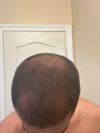
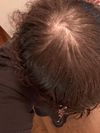
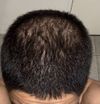
Increased coffee intake might be linked to hair shedding, but the cause is unclear. The user is on finasteride and has increased water intake, possibly affecting electrolyte balance.
Minoxidil can cause dark circles and skin issues, and users suggest reducing dosage or switching to foam. Supplements like vitamin C, glycine, and MSM may help with collagen production to reduce these side effects.
A 22-year-old male has been using oral minoxidil, oral finasteride, microneedling, and ketoconazole for hair loss treatment over two years, experiencing some regrowth and maintenance. He reports side effects from finasteride, including erectile dysfunction, and slight libido impact from minoxidil.
The user is experiencing a difficult shedding phase after starting a hair loss treatment with oral finasteride, topical minoxidil, and microneedling. Despite the shedding, they remain hopeful for regrowth and plan to continue the treatment, encouraged by others' positive results.
The user is experiencing prolonged hair shedding despite using 1mg finasteride, 2.5mg minoxidil, and considering adding topical finasteride. They are also deficient in Vitamin D and B, and are exploring if supplements or dosage adjustments could help.
The conversation discusses using topical liposomal finasteride for hair loss, with concerns about high DHT levels. The user's DHT level is above the normal range, which may affect hair health.
The user has been taking Finasteride daily for 11 months and is experiencing increased hair thinning and shedding, with no signs of regrowth. They are concerned about the effectiveness of Finasteride and have also been using microneedling as a treatment.
The user experienced significant hair regrowth and improved hair quality after six months of using oral minoxidil, finasteride, and micro-needling. They reported increased libido initially but no other side effects, and they plan to continue the treatment.
User is experiencing severe hair loss despite using finasteride for 15 months, losing 500 hairs a day and 50% density since June. Minoxidil with needling was ineffective, and RU58841 is too expensive and hard to obtain.
L. reuteri, a probiotic, is being explored for its potential benefits in treating androgenic alopecia, possibly enhancing finasteride's effects and reducing inflammation. The user combines this with finasteride, oral minoxidil, and other supplements, noting some improvement in hair loss.
A 22-year-old experiencing severe hair loss is considering using Minoxidil and finasteride despite initial reluctance, and is also using vitamins and micro-needling. They are contemplating a hair transplant but are advised to wait until at least age 30.
A user experiencing excessive hair shedding and a receding hairline is questioning if low vitamin D levels could be the cause, despite levels being within the normal range. Replies suggest that while vitamin D deficiency can cause hair loss, it might not be the issue in this case.
Hair loss treatment with Pyrilutamide, Minoxidil, and Finasteride showed improvement after 4 months. Shedding reduced, hair feels stronger and healthier, with no side effects.
A user started taking 0.5 mg of finasteride daily and noticed watery semen, questioning if it's normal or if they should adjust the dosage. Another user suggested it might indicate reduced fertility and may not improve.
A user tried microneedling for hair loss with a Dr. Pen at 0.8 mm and experienced bleeding, questioning if the intensity was too much. Others suggested a less aggressive approach, and one mentioned finasteride as a helpful treatment without side effects.
The emotional and psychological impact of hair loss in young people, how to cope with it, and potential treatments such as finasteride, RU58841, Minoxidil, SMP, and hair transplants.
A 24-year-old man is experiencing hair shedding after starting Minoxidil and Creatine, and is concerned about accelerated hair loss. A user suggests that Creatine does not increase DHT levels and recommends considering oral Dutasteride, low-dose oral Minoxidil, and Ciclopirox Shampoo, advising consultation with a doctor.
The user experienced significant hair regrowth with finasteride but noticed recent hair thinning, possibly due to nutrient deficiencies and weight loss. They plan to add microneedling and consider switching to dutasteride.
Pyrilutamide shows minimal systemic absorption with low plasma levels and no accumulation, suggesting it's unlikely to cause systemic side effects. However, full results are not yet published in scientific journals.
Clascoterone (Breezula) showed positive results for treating hair loss without affecting cortisol levels. Opinions vary, with some users optimistic about its potential and others critical of its effectiveness compared to existing treatments like finasteride.
A 25-year-old male has been using finasteride for 17 months and recently switched to dutasteride. His bloodwork shows increased luteinizing hormone levels, possibly due to increased testosterone, with no side effects and improved libido.
The user started using finasteride, minoxidil, and biotin for male pattern baldness (MPB) and is experiencing rapid thinning. They are questioning if low blood flow to the head could be contributing to their hair loss.
The user increased their steroid dosage and noticed hair shedding, so they adjusted their regimen by reducing steroid doses and adding oral dutasteride. They are also experimenting with combining RU-58841 and KX-826/pyrilutamide in minoxidil to address hair loss.
The user experienced increased hair shedding after taking a multivitamin containing selenium and questioned if selenium was the cause. The conversation revolves around the potential negative effects of selenium on hair health.
Pyrilutimide, a treatment for hair loss; it's effectiveness compared to other treatments such as Finasteride and RU58841; and some users’ experiences with the treatment.
A 22-year-old male with high estrogen levels is considering finasteride for hair loss but is concerned about potential side effects due to his hormone levels and family history of diabetes. Users suggest consulting a doctor, possibly an endocrinologist, and considering lifestyle changes like diet and exercise to address visceral fat and insulin resistance before starting treatment.
A 24-year-old woman experiencing hair loss due to low ferritin and iron deficiency is advised to correct these deficiencies before considering minoxidil. Minoxidil is not recommended for temporary hair loss caused by iron deficiency.
The conversation is about severe Vitamin D deficiency and its potential link to hair loss. The user is already using oral finasteride, topical finasteride, and topical minoxidil for aggressive hair loss.
A 22-year-old is experiencing hair thinning and is using oral finasteride and minoxidil chewables, along with microneedling and anti-dandruff shampoo, to manage it. Despite experiencing significant shedding, they remain hopeful for regrowth in the coming months.
PP405 is a potential hair loss treatment undergoing trials, with discussions on its effectiveness and comparison to existing treatments like finasteride and minoxidil. There is skepticism about its status as a cure, with hopes for future advancements in genetic treatments like CRISPR.