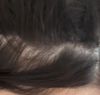
A 15-year-old is experiencing hair loss and has tried rosemary and jojoba oils without success. They are advised to see a doctor for thyroid and androgen tests and consider using Minoxidil.
The user is considering reducing their finasteride dose from 2.5mg to 1.25mg to make the supply last longer and is concerned about potential changes in results. They have been using the 2.5mg dose for four months.
Crushing spironolactone pills and combining them with minoxidil for topical application may be effective for hair loss, with the addition of finasteride suggested. Adding rosemary and peppermint oils can help mask the unpleasant smell.
A female user has experienced severe hair shedding since stopping birth control in late 2022, diagnosed as telogen effluvium with no signs of androgenetic alopecia. Despite healthy living and optimal bloodwork, she continues to shed hair daily but also sees significant regrowth.
User tried topical fin, dut, min, tret, hydrocortisone, microneedling, nizoral, collagen, propidren supplements, and laser helmet for hair loss with slow progress. They ask if topical spironolactone is a safer, effective alternative to RU for suppressing testosterone and treating hair loss in men.
A user in the UK seeks advice on blood tests before starting Finasteride and Minoxidil for hair loss. Recommended tests include thyroid function, hormone levels, liver and kidney function, and vitamin and mineral levels.
User shared progress on hair regrowth using Fin 1 mg/day for 4 years, Min 2x/day for 3 years, Estradiol 4mg/day, and Spironolactone 100mg/day for 3.5 months. They noted significant hairline recovery and advised against HRT for cis men due to feminizing effects.
Hair loss treatments discussed include alfatradiol, big 3, finasteride, RU58841, and stemoxydine. Alfatradiol is less effective but has fewer side effects, and mixing with stemoxydine may improve results.
A user is starting topical finasteride and minoxidil 3 times a week for hair loss and is experiencing high anxiety about the treatment's effectiveness and potential side effects. They are also taking vitamin D3 daily and are concerned about the application method and possible shedding.
The conversation discusses a topical finasteride therapy with hydrocortisone butyrate, estrone base, and breviline. A user suggests oral finasteride as a superior option.
Hair loss treatments Fin and Minoxidil failed for user. Suggested alternatives are 75mg oral spiro and RU58841, but concerns about low testosterone and self-esteem were raised.
A transgender individual is starting spironolactone and estradiol for hormone replacement therapy (HRT) and is considering adding finasteride to help with hair loss. They are also planning to use minoxidil and microneedle, but are unsure if they need to use another anti-androgen or more aggressive treatments. A respondent advises against using pyri and suggests waiting to see if the HRT alone is sufficient before becoming dependent on minoxidil.
A 35-year-old male uses topical minoxidil, spironolactone, and microneedling for hair loss, with spironolactone prescribed based on a DNA test indicating poor response to finasteride and dutasteride. Despite concerns about the test's validity and spironolactone's side effects, he reports stable or improved hair condition and no low testosterone symptoms.
The user stopped using Alfatradiol after 4 months due to no hair improvement and side effects like dry scalp and gallbladder pain. They are considering trying topilutamide, which is suggested as an alternative.
A 22-year-old male experiencing diffuse hair thinning has been using finasteride, initially at 0.5mg and then 1mg daily, but sees no improvement. Despite correcting a vitamin D deficiency and noticing some new hair growth, he questions the effectiveness of finasteride.
A 29-year-old male is considering treatments for hair loss, including Minoxidil, Finasteride, microneedling, or a hair transplant, and is concerned about potential hair loss due to military service. He is currently at Norwood 2 and has a family history of hair loss.
The conversation is about a user experiencing accelerated hair loss after starting vitamin D3 supplements, suspecting a link between the supplement and increased DHT levels. The user decides to stop taking the supplements, preferring natural sources of vitamin D.
Clascoterone in Winlevi, a topical AR antagonist, is being re-examined due to concerns about HPA axis suppression in adolescents, but it's unlikely to be banned for adult use in androgenetic alopecia (AGA). The European Medicines Agency recommended refusing Winlevi for acne vulgaris, but this may not affect Breezula's approval for AGA.
Female with PCOS experiences receding and thinning hair, wants dutasteride instead of spironolactone. Discusses desire to reduce DHT without losing libido.
User discusses Alfatradiol (17a-Estradiol) as a potential hair loss treatment with mixed results. Concerns include low dosage, receptor theory, and possible increased aromatase activity on scalp.
After 4 months of using topical finasteride and minoxidil, blood tests showed increased E2, Test, and Prolactine levels. The user is concerned about potential side effects like gyno and is seeking advice on managing these values.
Topical spironolactone is gaining attention as an alternative hair loss treatment, but it's not as effective as other options like finasteride. Oral spironolactone can cause side effects in men, and there are better topical alternatives like RU, Pyril, and CB.
A double-blind clinical study that found ingestion of tocotrienols resulted in a 34.5% increase in hair regrowth compared to the placebo group, and discussion about potential side effects and cost of supplementation with vitamin E pills. The conversation noted that it may be more effective than commonly used treatments like minoxidil and finasteride.
The conversation is about choosing between RU58841 and topical spironolactone for hair loss treatment. The user is currently using a topical solution with minoxidil, alfatradiol, and progesterone, and is concerned about side effects and effectiveness of both RU58841 and spironolactone.
A 31-year-old male with low normal-range testosterone and DHT is experiencing significant hair loss from the front scalp. He has tried Minoxidil, vitamin D3 and B12 supplements, and exercises regularly but is still seeking the root cause and effective treatment.
The user experienced hair thinning from chromium and alpha lipoic acid supplements, which stopped after discontinuing them. Someone mentioned this could be telogen effluvium, a temporary condition.
HMI-115, a newly discovered hair loss treatment that could potentially be effective for those with diffuse thinning and telogen effluvium. It is based on prolactin receptor antagonist signaling and has already undergone Phase I trials in women, with potential commercialization by 2027.