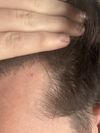
Prolonged use of topical minoxidil and finasteride can lead to neuroendocrine and autonomic dysfunction, causing severe sensitivity and side effects. Recovery involves avoiding these treatments, supporting neurosteroid recovery, calming the sympathetic system, and rebuilding scalp health naturally.
The conversation humorously discusses hair loss treatments like finasteride, minoxidil, and dutasteride, referencing a "Smiling Friends" episode. It includes jokes about hair loss, AI-generated images, and the show's satire on societal perceptions of baldness.
A user's 3-month progress with a combination of finasteride, minoxidil and dermarolling for hair loss; other users shared their experiences and advice.
A 23-year-old male is experiencing diffuse hair loss and miniaturization, possibly due to high IGE levels after using tofacitinib. He seeks advice and has not yet consulted a dermatologist.
Dutasteride may affect testosterone levels, leading to high ferritin and iron levels, which can cause hair loss. High ferritin might be linked to past heavy drinking or hemochromatosis.
The conversation discusses maintaining hair regrowth using minoxidil and finasteride and whether using gt20029, which degrades androgen receptors, would affect this. Fluridil, a similar treatment, can disable over 90% of active androgen receptors.
The user's decision to shave their head rather than continue using drugs like finasteride and minoxidil to try and stop hair loss, as well as other suggestions such as scalp micropigmentation.
A user is considering using finasteride and minoxidil to address hair loss, particularly at the temples and crown. Responses include encouragement, humor, and additional suggestions like using a derma roller.
An 18-year-old is dealing with early hair loss and feels unsupported. They have started oral minoxidil and are considering finasteride but are worried about side effects due to high testosterone levels.
A user discussed a significant hair recovery using alfatradiol and fluridil but was considered untrustworthy and the post was deleted. They are seeking the original poster's username.
The user has scheduled a hair transplant after stabilizing hair loss with finasteride and minoxidil, considering additional dermarolling. They are advised to use 2500-3000 grafts conservatively for temple filling without lowering the hairline too much.
A 23 year old user who has had success with finasteride and minoxidil, regaining their hair after losing it due to male pattern baldness. They also attribute part of the success to lifestyle changes such as eating better, exercising, sleeping well, and reducing smoking.
Someone who is 18 and has been balding since 15 starting treatments with finasteride and minoxidil to stop or reverse their hair loss, as well as discussing the dilemma of whether it's rude or helpful to point out another person's hair loss.
The conversation discusses using supplements like zinc, L-Arginine, and ginseng to counteract finasteride side effects like lower libido and lack of morning erections. Users share their experiences with finasteride, noting varied side effects and the use of additional supplements like ginkgo and fish oil.
A 25-year-old who has been using minoxidil and finasteride for 4 years to treat hair loss, underwent a successful FUE hair transplant in Mumbai, India, in April 2023. The user reported positive results, including increased hair density and reduced frizziness, and plans to continue treatment for further growth.
The conversation is about the effectiveness of low-level laser therapy (LLLT) caps for hair regrowth. One user suggests saving money, implying LLLT caps may not be beneficial.
Finasteride may affect liver function and cortisol levels, potentially linking it to non-alcoholic fatty liver disease (NAFLD). More research is needed to understand this connection fully.
The post discusses the potential of GT20029 in treating hair loss, questioning if it will replace finasteride or be used alongside existing treatments. A reply indicates that its role is still uncertain.
A user reported significant hair growth improvements using 1mg finasteride and 2.5mg minoxidil daily, despite minor side effects. The doctor advised against combining multiple treatments to identify what works.
User LateNightCoffeeShop shared progress after 3 months using Finasteride, Minoxidil, and Derma-rolling for hair regrowth. Users discussed treatment frequency, effectiveness, and potential side effects.
People making comments on others' hair loss, and the different strategies used to deal with it. Treatments mentioned include finasteride and minoxidil.
The user experienced good hair regrowth using natural methods and mechanical stimulation but decided to add finasteride to their regimen for better results. They are optimistic about further regrowth and plan to update on the effects of finasteride, noting no significant side effects so far.
The user has been using topical finasteride and minoxidil for a month to address hair thinning. They are experiencing shedding but have noticed small hairs on their temples.
The conversation discusses the difference in attitudes toward hair loss treatments, with a focus on lifestyle changes and hair transplant surgery in Hong Kong, as opposed to treatments like minoxidil, finasteride, and microneedling discussed on 'tresless'. The user is now using finasteride and minoxidil and considering microneedling.