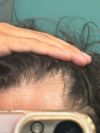
Hair loss is linked to cellular physiology and the IGF-1 to TGF-B1 ratio, not just androgen sensitivity. The theory lacks evidence, while finasteride and minoxidil are effective treatments.
A 24-year-old male shared his 5.5-year progress using minoxidil and nearly 5 years on finasteride/dutasteride for hair loss, reporting no side effects and successful results. He uses 0.5 mg dutasteride daily, oral minoxidil 2.5 mg daily, and topical minoxidil daily, with costs around $4 monthly.
The user experienced positive hair regrowth using finasteride for two years, with no side effects, and recently added minoxidil foam to address temple volume. Other users shared similar experiences with finasteride, noting varying results and some concerns about side effects, but overall satisfaction with hair maintenance.
Some users experience worsening hair loss with dutasteride and improvement after switching back to finasteride, while others find better results with dutasteride. The effectiveness of treatments like finasteride, dutasteride, minoxidil, and RU58841 varies, requiring individuals to try different combinations or dosages to find what works best.
The user experienced side effects from finasteride and Nutrafol, opting for non-hormonal treatments like minoxidil, exercise, and a healthy lifestyle. Others discussed using Dutasteride, Biotin, and minoxidil with varying success and side effects.
A user is experiencing uneven hair thinning and has tried topical minoxidil without success and finasteride with adverse effects. They are considering microneedling and PRP treatments while avoiding finasteride, and another user suggests trying dutasteride as an alternative.
The conversation discusses hair loss treatments, with users sharing experiences and opinions on finasteride, minoxidil, and other methods. Many recommend finasteride for its effectiveness, while others express concerns about side effects and emphasize the importance of acting quickly to address hair loss.
The user shared their 6-month progress using oral dutasteride and minoxidil for hair loss, noting improvements without significant side effects. They currently use 0.5mg oral dutasteride, 5mg oral minoxidil, 5% topical minoxidil, and ketoconazole shampoo twice a week.
The user experienced significant hair improvement after 7 months of using Dutasteride (DUT) every other day, with no side effects, unlike previous experiences with Finasteride (FIN) and Minoxidil (MIN). The user plans to continue DUT for up to 24 months and is considering a hair transplant for further results.
A user stopped finasteride after 15 years due to severe side effects, which improved after quitting. They maintained most of their hair and are considering alternatives like topical treatments or RU58841.
Finasteride has helped stabilize hair loss, with some users noticing visible improvement and regrowth, particularly in temple areas. Side effects of finasteride are discussed, and minoxidil is suggested as an additional treatment if hair loss resumes.
A 28-year-old male stopped hair loss and thickened his hair using oral dutasteride and oral minoxidil after topical treatments failed. He experienced no side effects and recommends these oral treatments for others struggling with hair loss.
The user replaced finasteride with saw palmetto due to availability issues and experienced side effects, leading to adjustments in their regimen. They use saw palmetto, minoxidil, Nizoral, and a dermaroller, reporting reduced side effects and some benefits, with hair fall ranging from 5 to 20 hairs daily.
A user shared their one-year hair loss treatment progress using oral finasteride, topical finasteride/minoxidil, and microneedling, reporting no current side effects and significant hair improvement. They also use Head & Shoulders for dandruff control and recommend consistency in treatment.
Finasteride is seen as risky for men due to side effects like erectile dysfunction, while hormonal birth control for women is normalized despite its side effects. The discussion points out a double standard influenced by societal and gender norms.
A 21-year-old shares their one-year progress using finasteride for hair loss, experiencing initial shedding but eventual regrowth, especially on the crown. They consider switching to dutasteride due to continued hair loss at the front temple and mid-scalp areas.
The user experienced significant hair regrowth using a single pill containing 2.5mg minoxidil and 1mg finasteride over 11 months, with noticeable improvements starting around month 8. They reported minor side effects initially but none ongoing, and they have not undergone a hair transplant.
A user successfully regrew hair using 1mg Finasteride daily, 5% topical Minoxidil 1-2 times a day, and weekly derma stamping, with no side effects. Others shared their hair loss struggles and interest in these treatments.
Creatine use with finasteride has mixed effects on hair, with some experiencing shedding and others noticing no impact. Many attribute concerns to individual sensitivity or unrelated factors.
A user experienced increased hair shedding and unchanged DHT levels after taking 0.25mg of finasteride for 47 days, leading them to increase the dose to 0.5mg. Others discussed varying experiences with finasteride, minoxidil, and the importance of measuring scalp DHT.
Being overweight may increase finasteride side effects due to higher aromatase activity converting testosterone to estradiol. Maintaining a healthy weight could reduce these side effects.
Topical finasteride is considered a safer option for hair regrowth with fewer systemic side effects compared to oral finasteride. Some users report similar efficacy and side effects between topical and oral treatments, while others prefer topical due to reduced systemic exposure.
Dutasteride and finasteride have similar risk profiles despite Dutasteride blocking more types of 5AR in the brain. Some users report no mood issues with either drug, and it is suggested that Dutasteride's larger molecular size may limit its ability to cross the blood-brain barrier.
The user shared progress pictures showing hair growth after using finasteride 1mg and minoxidil 5% daily for three years. Commenters are impressed, discussing the effectiveness and asking about additional treatments like derma rolling and side effects.
The user "baselinesims" shared their progress in treating hair loss using 1mg oral finasteride, 1ml topical minoxidil, 0.5ml topical dutasteride, keto shampoo, cosmerna, and micro needling. They are happy with the progress so far, with diffuse thinning being taken care of and baby hairs showing up. They plan on getting a hair transplant in the future. Other users commented on the improved appearance and mentioned that the lighting in the photos may affect the comparison.
User experienced hair regrowth after 5 months on oral minoxidil and finasteride. Others praised the impressive results and mentioned the importance of combining treatments for best results.
This conversation is about a user who has been using topical finasteride and minoxidil for 6 months and has seen great results, with some side effects. Others have shared their progress and advice on how to further maximize the effectiveness of the treatments.
The user's decision to shave their head rather than continue using drugs like finasteride and minoxidil to try and stop hair loss, as well as other suggestions such as scalp micropigmentation.
A user's 6-month journey to treat their hair loss using 1mg finasteride twice daily, topical minoxidil, vitamin D3, keto diet, and microneedling. They experienced shedding at the end of month 3 but have seen progress in recent months despite this.
A user's experience with finasteride and oral minoxidil for treating hair loss, which resulted in great regrowth and improved mental state. Other users asked questions about their own experiences with the treatments.