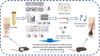
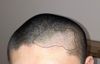
A male in his early 20s with CCCA (scarring alopecia) started treatment with Finasteride, Fluocinolone, and Doxycycline. Steroid injections were suggested but not yet done.
Treatment options for female alopecia androgenetica, discussing the availability of spironolactone online in The Netherlands and other potential treatments like finasteride, minoxidil and RU58841.
A user shares their hair loss treatment regimen, which includes oral finasteride, oral and topical minoxidil, RU58841, LLLT cap, microneedling, ketoconazole shampoo, biotin, vitamin D3, NAC supplement, MK677, collagen, and other hair care products. They seek opinions on its effectiveness.
A user shared their one-month progress using Minoxidil and RU58841 for hair loss, noting significant shedding after micro-needling and seeking opinions on their regrowth. They stopped micro-needling and added RU58841 to their treatment.
RU58841 may pose cancer risks due to its antiandrogen properties and lack of long-term safety data. Using it is considered a high-risk experiment with unknown potential for harm.
The user is experiencing sudden hair loss and is considering micro-needling, low-level light therapy, iron supplements, folihair, and Omega 3. They are hesitant to start finasteride, suspecting the hair loss might be due to telogen effluvium from a past COVID-19 infection.
Microneedling combined with latanoprost may convert vellus hairs to transitional or terminal hairs. The user suggests using oral minoxidil to increase vellus hair, then applying a high concentration of latanoprost with microneedling for conversion.
The user has been using 1mg Finasteride and 5% topical Minoxidil for 9 months with little improvement and has recently added microneedling, showing slight progress. The new protocol includes switching to 5mg oral Minoxidil, continuing microneedling, and adding Anagenil Complex, while seeking advice on whether to stop topical Minoxidil and the effectiveness of Anagenil Complex.
A 19-year-old concerned about long-term effects of 5AR inhibitors on physical appearance. They have used finasteride and plan to try dutasteride or RU58841; responses suggest improved skin, hair, and confidence.
The user was rejected from participating in a clinical trial for an extended-release oral Minoxidil due to having rheumatoid arthritis, despite initially being accepted. They had stopped using Dutasteride and Minoxidil to qualify but continued using other treatments like RU58841 and red light therapy.
Excess Vitamin A and topical retinoids can cause diffuse hair shedding. The user suspects their chronic telogen effluvium may be linked to using adapalene, a topical retinoid.
Pyrilutamide's effect on sebum production and scalp inflammation is unclear, with users noting no significant changes. Isotretinoin is mentioned as effective for reducing sebum, while Dutasteride and various shampoos have limited impact on oiliness and seborrheic dermatitis.
The conversation discusses the need for a localized 5-alpha reductase inhibitor that only affects the scalp without systemic side effects, similar to pyrilutamide's approach. Current treatments like topical liposomal finasteride and dutasteride are mentioned, but concerns about their systemic effects and lack of research are highlighted.
The conversation is about making a topical solution from clascoterone powder, with references to using a RU58841 mixing guide for guidance. Concerns about product authenticity and bulk purchase requirements are also discussed.
Clascoterone in Winlevi, a topical AR antagonist, is being re-examined due to concerns about HPA axis suppression in adolescents, but it's unlikely to be banned for adult use in androgenetic alopecia (AGA). The European Medicines Agency recommended refusing Winlevi for acne vulgaris, but this may not affect Breezula's approval for AGA.
A 27-year-old Asian male is treating hair loss with 1mg oral finasteride, topical minoxidil twice daily, and 1.5mm microneedling weekly. The discussion is about his progress with these treatments.
Fluridil's effectiveness and safety in treating hair loss are discussed, with higher concentrations showing potential success. Comparisons are made to other treatments like RU58841, Pyri, CB-03-01, and topical spironalactone.
The user has been using finasteride and minoxidil for hair loss but experienced worsening temple recession. They suspect they might be more sensitive to testosterone and are considering trying RU58841 or CB 03 01 as additional treatments.
The user is seeking an alternative solvent for pyrilutamide due to skin irritation from ethanol and propylene glycol. They experienced similar issues with topical minoxidil.
OP is using 5% minoxidil and a foligain supplement for hair loss, with blood test results showing high cortisol levels. OP is considering starting finasteride, while another user shares their experience with finasteride and hair loss challenges due to malabsorption issues.
The user experienced increased hair shedding after using RU58841, despite initial improvements in scalp condition and appearance. They are considering stopping RU58841 to see if shedding decreases.
A user experienced rapid hair loss and was prescribed Desonide cream for mild Alopecia. They are seeking feedback on its effectiveness and potential side effects.
The person is using 1mg of finasteride daily, 2mg of minoxidil, and weekly dermarolling with a 1mm needle. They sometimes use topical minoxidil as well.
Treatments for hair loss, specifically discussing the use of RU58841 and Pyrilutamide from Actifolic. The poster is inquiring about experiences with these products and results.
The conversation discusses scalp itching and tenderness after microneedling, despite using medicated shampoos and proper sanitation. The user plans to see a dermatologist and is concerned about possible infection or allergic reaction.
Alfatradiol is often discussed at a 1% concentration, but studies typically use 0.025%. Some users report success using it as a topical treatment alongside other hair loss treatments like finasteride.
PP405 increased hair density by 20% in 31% of participants, but results are considered underwhelming. Minoxidil and finasteride are seen as more effective treatments.
Despite using treatments like Dutasteride, Minoxidil, RU58841, and GHK-Cu injections, the individual continues to experience aggressive hair thinning and is seeking a specialist for further help. Suggestions include trying finasteride, dermarolling, or another hair transplant.