Search
for
Sort by
Community Join
120-150 / 1000+ resultscommunity 7.5 months of oral finasteride 1mg(Dec13). Is this regrowth?
community Ru58841 only treatment thoughts
community Minoxidil Side Effects
community Best supplements to compliment finasteride protocol
community Severe Vitamin D deficiency?
The conversation is about severe Vitamin D deficiency and its potential link to hair loss. The user is already using oral finasteride, topical finasteride, and topical minoxidil for aggressive hair loss.
community Two year results on topical min and fin
community Locklabs + Dutasteride Formula
The conversation discusses the effectiveness and value of a Locklabs pill containing finasteride, minoxidil, biotin, and a low dose of dutasteride for hair loss. The user is uncertain if the .1mg dutasteride dosage is sufficient and worth the cost.
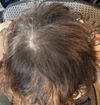
community Curious About Temple Baby Hairs Connecting After 5 Months Treatment
The user is pleased with their hair growth progress after 5 months of using Minoxidil, Finasteride, and RU58841, and is curious if the baby hairs at the temple will fully connect with the rest of the hair. It's uncertain if the connection will happen yet.
community 6 months post Hair Transplant - 3361 grafts
community Fluridi + minoxidil (no finasteride?)
The user is using minoxidil and recently started fluridil for mild hair loss and is questioning if this treatment is sufficient without finasteride. They have finasteride available but prefer not to use it.
community 5 months on fin, 3 months on min
community Topilutamide (fluridil) raw active?
Topilutamide is a potential hair loss treatment between Clascoterone and RU58841. Users discuss finding Topilutamide powder and its possible benefits for those who can't afford or tolerate other treatments.
community Has anyone here tried taking GLA supplements?
GLA may help with hair loss due to its anti-inflammatory properties and 5ar enzyme inhibition. It's considered potentially more important than biotin, especially for those already using finasteride and dutasteride.
community Pili migrans? Lichen something? Seb derm?
The conversation is about a female experiencing hair loss and seeking advice on why it's difficult to regrow hair. Specific treatments like Minoxidil, finasteride, or RU58841 are not mentioned.
community Whats happening with Fluridil these days? Any higher concentrations easily available yet?
Hair loss discussion focused on Fluridil treatment. Availability of higher concentrations questioned.
community Mature hairlines in general and defining them
A "mature hairline" is subjective and may not indicate future stability. Finasteride and minoxidil are suggested treatments for hair loss.
community Found this in a Facebook ad. Real stuff or a new snake oil? FLEAVA
The conversation is about a product called FLEAVA, found in a Facebook ad, and whether it is effective or just another scam. One user believes it is likely a scam and mentions that such products usually don't compete with Minoxidil.
community Month 11 of regrowing my diffuse NW6, 5mg oral Minoxidil + 0,5mg oral dutasteride daily.
community Post Low-Level Laser Light Therapy Syndrome (PLLLTS )
Hair loss discussion includes LLLT treatments and a satirical condition called PLLLTS, causing patients to resemble lighthouses and attract moths. Some users express concern about others taking the satire seriously.
community Finasteride and Folic acid correlation?
Low folic acid may worsen side effects of finasteride. Consult a doctor for personalized advice.
community 4.5 Months on Finasteride And Minoxidil
community Microneedling with liposomal minoxidil
Microneedling may enhance the effectiveness of liposomal minoxidil for hair loss. The user is also using tretinoin.
community 4 months on Oral Minoxidil and Oral Finasteride
community Fluridil degrades the androgen receptor.
Fluridil degrades androgen receptors, which are prevalent in the scalp and other tissues. People with androgenetic alopecia (AGA) may have higher expression of these receptors and 5AR activity in affected scalp areas.
community LLLT seems like it's at least a solid maintenance tool. Can also provide ok regrowth in AA and MPB. - Pubmed
Low-Level Laser Therapy (LLLT) is seen as a safe and effective method for maintaining hair and promoting regrowth in androgenetic alopecia (AGA) and male pattern baldness (MPB), with devices like the HairMax LaserComb® and iRestore helmet being popular. Some users and professionals are skeptical about its long-term effectiveness and cost.
community Five month hair regrowth progress (Dut+min+biotin)
community What vitamins deficiencies cause hairloss?
Vitamin B3 and B7 deficiencies can cause hair loss. The conversation also mentions treatments like Minoxidil, finasteride, and RU58841.
community Best brand of topical melatonin?
People are using topical melatonin for diffuse thinning and retrograde alopecia. They are discussing the best brands and application methods.