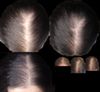
User seeks participants for Verteporfin group buy. Verteporfin, FDA approved, may regenerate hair follicles and sweat glands through heavy microneedling.
A user is comparing Capillus Ultra and Capillus ONE for hair loss treatment, questioning if the number of diodes matters. Another user suggests the OMG helmet as the only worthwhile option.
Hair cloning and new treatments like ET-02, Veradermics (vdphl01), and wound-induced hair neogenesis show promise but are not yet widely available. Current effective treatments include minoxidil, finasteride, and dutasteride, with early intervention being crucial for better outcomes.
A 23-year-old is concerned about potential crown thinning and has been using minoxidil for 3 years and finasteride for 10 months, with overall hair improvement. They are unsure if their crown appearance is due to natural hair whorls or early thinning.
An 18-year-old is experiencing thinning hair at the crown and is concerned about early balding due to family history. They are using 5% minoxidil and considering adding finasteride to potentially regrow hair and block DHT.
Minoxidil can cause initial hair shedding, but it's a sign the treatment is working. Users suggest combining it with finasteride and being patient, as hair often regrows after the shedding phase.
Minoxidil use led to excessive eyebrow and forehead hair growth, prompting grooming advice like waxing, tweezing, and shaving. Some suggested reducing dosage or considering electrolysis for permanent hair removal.
The user has been on finasteride for 8 months and is experiencing significant hair shedding, with concerns about hair density and visible scalp. Other users suggest that shedding is normal and that finasteride is likely working, with potential improvements over time; adding minoxidil could help but may initially increase shedding.
The user has been taking finasteride consistently for 3 months and noticed improved hair density without side effects. Some users suggest adding minoxidil for better results, but others advise against it due to the commitment required.
The user has been using oral finasteride for about 9 months and oral minoxidil for about 4 months, with some regrowth observed. They are considering a hair transplant and hope to reduce the number of grafts needed by continuing these treatments.
A 22-year-old male is using topical dutasteride, minoxidil, tretinoin, and microneedling for hair loss, experiencing some side effects like mild ball pain and initial shedding but seeing progress in hair thickness. He plans to increase the dutasteride dose and has tried various treatments, including finasteride and RU58841, with differing side effects.
The conversation discusses hair loss treatment progress using Minoxidil, a 0.5mm derma stamp, and caffeine serum, with additional use of rosemary, peppermint, and olive oil. The user is avoiding DHT blockers like Finasteride due to potential interference with other medications.
A 25-year-old male with seborrheic dermatitis and hair thinning seeks advice on the severity of his condition and treatment options. Oral finasteride and oral minoxidil are recommended as the most effective long-term treatments.
The user has been using topical finasteride and oral minoxidil for hair loss but has seen no results after 5.5 months and 1 year, respectively. Many commenters suggest the user's hair looks good, recommend continuing treatment for maintenance, and discuss potential side effects and alternative treatments.
Adding an LLLT laser cap to a routine of finasteride, minoxidil, and ketoconazole shampoo significantly reduced hair shedding from 200+ hairs a day to around 80, improving scalp health. The user attributes the laser cap as the key factor in stabilizing hair loss after two years of using other treatments.
A 25-year-old is struggling with hair loss despite using treatments like oral Minoxidil, oral and topical Finasteride, Dutasteride, and PRP sessions. They feel frustrated with inconsistent treatment strategies and are seeking advice on managing thin hair and regaining confidence.
The conversation discusses various treatments for hair loss, including high doses of dutasteride, oral minoxidil, RU58841, microneedling, ketoconazole shampoo, and other supplements like pumpkin seed oil and multivitamins. It also touches on more extreme measures like estrogen therapy and castration, with some users emphasizing the importance of overall health and nutrition.
Stopping Minoxidil caused significant hair loss, which was mostly regained after resuming 1mg Finasteride and 3mg oral Minoxidil. Consistent use of both treatments is essential for maintaining hair growth.
The user has been taking oral minoxidil (5 mg) and finasteride (1.1 mg) for 10 months, experiencing significant hair regrowth followed by a recent shedding phase, which has now slowed. The user remains optimistic about future regrowth and attributes some hair health to the inclusion of biotin in their treatment.
A 23-year-old male is experiencing aggressive hair loss despite using 1mg finasteride and 4.5mg minoxidil, with limited progress and side effects like fluid retention. Suggestions include trying dutasteride, microneedling with topical minoxidil, and considering hair systems or a transplant in the future.
The user has been using finasteride and dutasteride for six months, experiencing a complete stop in hair shedding but minimal regrowth. They are considering adding RU58841 for potential regrowth, with advice suggesting patience as significant results often take 12-24 months.
A 34-year-old user shared progress pictures after using daily topical minoxidil and oral finasteride for four months, reporting satisfaction with the results and no side effects. The conversation included suggestions for oral minoxidil, debates about the authenticity of the progress photos, and discussions on potential side effects.
A 20-year-old is using a regimen of 5% Minoxidil, 0.1% Finasteride topical solution, derma rolling, and ketoconazole shampoo for hair loss, experiencing some regrowth but also shedding. They are considering increasing derma roller size and possibly adding oral Finasteride or dutasteride for better results.
The user is taking dutasteride and minoxidil for hair loss but is concerned about continued hair shedding and lack of visible results. Others advise that shedding is normal, suggest better photo documentation for comparison, and recommend patience as results may take longer to appear.
A 43-year-old male has been using oral minoxidil, finasteride, and dutasteride for hair loss, with some stabilization and thin hair growth but no significant cosmetic improvement. He is considering increasing microneedling frequency and exploring other options, as he is concerned about the lack of terminal hair growth.
A 35-year-old is considering Breezula, Pyrilutamide, or topical finasteride/dutasteride to protect against hair loss while on testosterone replacement therapy (TRT). They currently use finasteride, oral minoxidil, and dutasteride but experienced increased hair shedding with TRT.
Significant hair improvement was achieved using 3mg Minoxidil and 1.2mg Finasteride over six months, with no side effects, leading to reconsideration of a hair transplant. A detailed skincare routine, including tretinoin and SPF, also improved skin appearance.
The user tried topical minoxidil, topical and oral finasteride, and switched to dutasteride and oral minoxidil without success in stopping hair loss. Suggestions included continuing treatment longer, trying microneedling, and considering a hair transplant.
The user is frustrated with minimal hair regrowth after using dutasteride, oral minoxidil, and previously finasteride and topical minoxidil. Despite feeling discouraged, others suggest continuing treatment as progress can be slow and subtle, with some users noting visible improvement.
A 23-year-old shared progress pictures after 9 months of using dutasteride and 8 months of applying minoxidil once daily due to scalp psoriasis. Users complimented the results and discussed lighting effects on hair appearance.