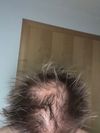
User discusses Latanoprost as potential hair loss treatment and considers combining it with oral minoxidil for better results. Seeking opinions on effectiveness and expense.
The user experienced scalp inflammation and rapid hair loss after using minoxidil, despite initial success. Suggestions included switching to minoxidil foam, using oils, trying aspirin, and considering RU58841 for inflammation and hair loss management.
A person experienced severe sexual side effects, including loss of libido and erectile dysfunction, after using finasteride and dutasteride for hair loss. They stopped the medications and sought advice, but recovery was slow and uncertain.
Rapid weight loss may have triggered increased hair shedding. Continuing with finasteride, microneedling, a healthy diet, and supplements like MSM and vitamin B is advised, but results may take 6-12 months.
Concerns about the long-term safety of VDPHL01, an extended-release minoxidil, due to potential risks similar to Cantu syndrome, were raised, highlighting the lack of monitoring for chronic connective tissue changes. The conversation suggests that while the treatment may improve hair growth, it could lead to issues not detected in short-term trials.
A 28-year-old male is experiencing temple regrowth but crown thinning while using 5mg minoxidil and 0.5mg dutasteride. The shedding phase is seen as a positive sign of treatment effectiveness, with expectations of noticeable improvements around 6 to 12 months.
Minoxidil is used for hair loss and sometimes for high blood pressure, but it's outdated for the latter. For high blood pressure, it's combined with a beta blocker and diuretic to manage side effects.
A 27-year-old male with ADHD is experiencing hair thinning and is starting a treatment with topical finasteride (0.025%) and minoxidil (5%). He is addressing high prolactin levels and low vitamin D, while managing side effects from ADHD medication.
A user is concerned about weight loss stagnation while using minoxidil and finasteride during a calorie-cutting diet. Responses suggest water retention or a weight loss plateau as possible causes.
A 21-year-old male diagnosed with telogen effluvium and male pattern baldness started taking finasteride, which initially slowed hair shedding and slightly thickened hair. The doctor recommended iron and vitamin D supplements, and the user is considering minoxidil but wants to stabilize shedding first.
OP reports that after 3 months on 2.5mg dutasteride, their hair has stopped falling out and is thick again, but they are considering stopping due to potential mood and energy side effects. Other users discuss experiences with finasteride, dutasteride, and side effects, with some suggesting lower doses or alternative treatments like topical applications.
The user is currently using alfatradiol and fluridil for hair loss and is considering adding low-dose topical finasteride but is concerned about potential side effects due to past mental health issues. They are seeking others' experiences with these treatments and their effectiveness.
A user embraced their hair loss by choosing a buzzed hairstyle and received positive feedback on their appearance. Some suggested acceptance and self-care, while others discussed the potential of hair regrowth with treatments like finasteride and minoxidil.
A user discusses switching from RU58841 to Pyrilutamide due to side effects like fatigue, brain fog, and elevated heart rate. They have used dutasteride, finasteride, and minoxidil, and are seeking safer alternatives.
The user began experiencing hair loss a few years ago at age 22 and is a diffuse thinner with a Norwood scale rating of 2. They have a naturally athletic build and gain muscle easily, with a hairy chest and stomach.
A 22-year-old male experienced hair loss potentially linked to escitalopram, which stopped after switching to vortioxetine. His depressive symptoms improved with continued treatment.
A user is experiencing anxiety and insecurity about hair loss despite using finasteride for 19 months and oral minoxidil for 6 months. They are seeking advice on whether stress, scalp testosterone, or switching treatments could help, and are considering a buzzcut.
The user experienced positive results for hair loss using minoxidil but stopped due to side effects like heart palpitations and increased body hair. They are considering peppermint oil as an alternative and are curious about its effectiveness and potential side effects.
The conversation discusses the effectiveness of different doses of finasteride for hair loss, questioning the need for 1mg daily when 0.5mg every other day has a similar impact on scalp DHT. A humorous reply suggests exaggerated side effects.
The user switched from Hims topical finasteride and minoxidil to Musely Hair Pill Bloom+, which includes minoxidil, dutasteride, and other vitamins, and noticed new hair growth but also experienced lower blood pressure. Another user ordered a minoxidil-only pill.
The post argues that Post-Finasteride Syndrome (PFS) is likely not real and suggests symptoms may be due to mental health issues or the nocebo effect. The conversation includes personal experiences with finasteride, highlighting both positive and negative effects, and emphasizes consulting doctors and using reliable sources for medication.
A user accidentally ingested minoxidil instead of melatonin, leading to a humorous discussion about similar mix-ups and the effects of minoxidil. The user now stores the bottles separately to avoid future mistakes.
The user has been using finasteride and dutasteride for hair loss but is experiencing low energy and motivation, possibly due to high prolactin levels. Despite treatment, hairline recession continues, and the user is considering the impact of low DHT levels on overall health and energy.
The user shared their personal experience with hair loss, hormone imbalances, and treatments including testosterone boosters, natural estrogen blockers, and DHEA. They suggest that low-dose finasteride and natural hormone therapy could reduce hair loss with fewer side effects.
A 23-year-old man uses a topical spray with minoxidil, finasteride, and tretinoin for hair loss, experiencing improved hair growth but occasional heart palpitations. He worries his girlfriend might leave him if he goes bald, but commenters advise that if she would leave over hair loss, she isn't worth it.
A 22-year-old is experiencing hairline thinning and has been using topical minoxidil for a year without significant improvement. They are considering finasteride despite concerns about side effects and are seeking reassurance and advice from others with similar experiences.
A 26-year-old is experiencing hair thinning and has received conflicting diagnoses of androgenetic alopecia and telogen effluvium. They are considering treatments like dutasteride, oral and topical minoxidil, and are unsure whether to start treatment or pursue further diagnosis like a scalp biopsy.
The conversation is about using PTD-DBM and valproic acid for hair loss. The user is inquiring about the dosage of these treatments, noting that valproic acid is used at a 7.5% solution.
A user is considering starting finasteride for hair thinning but is concerned about side effects like low libido and gynecomastia. They plan to consult a dermatologist and are advised to test DHT, testosterone, and estradiol levels.