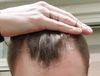
A 28-year-old is assessing their hair loss on the Norwood scale, considering adding topical minoxidil and dermastamping to their current regimen of oral finasteride and minoxidil. They feel their hair loss is worsening and seek opinions on their condition.
A user is developing a tool to track hair density, aiming to help those using treatments like minoxidil. They seek feedback on the tool's usefulness and are considering a low-cost model to cover expenses.
A 31-year-old male considering returning to finasteride at a lower dose or using topical finasteride to assess his Norwood scale for a potential future hair transplant. He previously stopped finasteride due to side effects and has been shaving his head.
A user created a web app called TrichoMetrics to track hair loss using photos and metrics like density and thinning. The app supports tracking treatments like Minoxidil and finasteride, with features for setting baselines, comparing progress, and logging treatment adherence.
A 30-year-old male is experiencing hair loss and is concerned about his receding hairline, seeking advice on his Norwood scale classification. He is apprehensive about using Minoxidil and finasteride as treatments.
The post discusses using ImageJ software to objectively track hair regrowth progress. The user is treating Androgen alopecia with dutasteride and minoxidil.
Hair loss treatments, specifically, discussing the effectiveness and side effects of finasteride, minoxidil, and RU58841 in various microdoses. It also includes an updated graph which provides information on how different doses affect DHT levels, scalp skin and serum androgen levels, as well as hair count.
The conversation discusses using very low dose topical finasteride to achieve specific serum DHT reduction percentages. It concludes that finasteride dosage increases linearly between 5-30% DHT reduction but requires exponential increases for reductions up to 70%.
User shared 6-month progress of hairline recovery using oral finasteride and topical minoxidil, asking for current Norwood scale rating. Responses praised impressive results, with estimates ranging from Norwood 1.5 to 3.
A 23-year-old man shared his 4-month hair regrowth progress using 1mg oral finasteride daily, 5% minoxidil with finasteride topical twice a day, multivitamins, microneedling, head massages, and ketoconazole shampoo. He's unsure of his current Norwood scale classification and is asking for help to determine it, with suggestions ranging from NW4 to NW4.5.
User shared a 1-year update on finasteride, noting thicker hair but mild side effects like reduced libido and mild ED. Considering reducing the dose from 1mg to 0.5mg daily to alleviate side effects.
A user shared progress pictures 1.5 months after a hair transplant of 3500 grafts, using oral finasteride, topical finasteride, minoxidil, and vitamins. They are concerned about potential shock loss and the thinning appearance.
The conversation discusses using Sandalore for hair loss treatment, with a focus on finding the correct concentration for a topical lotion. The consensus is to start with a 0.1% concentration due to potential scalp irritation at higher levels.
The user is considering dividing 1mg finasteride pills into quarters despite instructions not to. They currently divide 5mg pills into smaller doses and want to switch to 1mg pills.
The conversation is about a user assessing their hair loss as Norwood 1.5 and discussing their use of oral minoxidil and finasteride for 2.5 years, which improved their hair density. They are content with their current progress but hope to reach Norwood 1.
The user "AcanthocephalaNo7632" shared their progress with hair loss, mentioning the use of minoxidil and finasteride. Some users questioned the authenticity of the progress pictures.
The user is considering using CB or clascoterone for hair loss, potentially as an alternative to RU. They're also contemplating asking a dermatologist for topical clascoterone cream to apply to their temple.
Analyzing data on pyrilutamide, a potential hair loss treatment, as well as the effectiveness of other treatments such as Minoxidil, Finasteride, and RU58841.
The conversation discusses the use of topical spironolactone for hair loss, with the original poster applying 8 ml daily but learning that 2 ml is recommended. It also touches on hair transplants and the role of DHT sensitivity in hair loss, emphasizing individual differences in treatment outcomes.
The conversation is about treatments for androgenetic alopecia, focusing on hyperresponders. Treatments include Minoxidil, finasteride, RU58841, leg training, and cold therapy.
The conversation is a satirical discussion about using a dermaroller on the penis, with mentions of adding finasteride and doing exercises like cock pushups and planks. Some users joke about side effects and the absurdity of the topic.
The conversation revolves around how balding has made the original poster and others hyper-aware of other men's hairlines, often judging the severity of their hair loss and whether they've had treatments like hair transplants, minoxidil, or finasteride. Some participants express a need for therapy due to their obsession, while others joke about their newfound "expertise" in assessing hair loss.
The user shared their positive 5-month results using finasteride, minoxidil, derma rolling, and supplements like biotin, zinc, iron, and vitamin C. They provided before and after photos and mentioned applying minoxidil even when derma rolling.
Minoxidil and finasteride might help with hair regrowth, but a hair transplant may be necessary for significant improvement. The conversation humorously discusses the severity of hair loss, comparing it to various exaggerated Norwood scale levels.
The user plans to try finasteride again due to past side effects, considering a gradual increase starting at 0.25 mg every 5 days to reach 0.5 mg/day. They seek advice on a tapering schedule to minimize side effects.
Rating treatments for hair loss, with the help of GPT-4, according to efficacy, evidence and tolerability; a combination of chemicals from research papers, custom compounds, and some suggestions from other users were included.
The user is considering reducing their finasteride dose from 2.5mg to 1.25mg to make the supply last longer and is concerned about potential changes in results. They have been using the 2.5mg dose for four months.
The conversation discusses hair regrowth progress from Norwood scale 4 to 2.5 over a year using daily 8.5-9% RU58841, topical Dutasteride 0.1%, RU58841 5% 1.5 times a week, and daily caffeine redensyl scalp treatment.