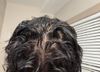
A user regrew all their hair, including temples and bald spots, after one year of finasteride and six months of oral minoxidil. They noted finasteride helped with the crown and bald spot, while minoxidil regrew the hairline and temples.
A user experimented with creatine while using finasteride and minoxidil for hair loss, noticing increased bald spots and thinner hair, but attributed it to his hair cycle rather than creatine. Other users suggested that creatine doesn't cause hair loss directly, but increased testosterone from workouts might affect those with a genetic predisposition.
A user shared their experience with telogen effluvium triggered by a keratin treatment, leading to significant hair loss. They found improvement using aloe vera with rosemary, a protein and iron-rich diet, and patience.
User shared hairline progress after 2.5 months using topical finasteride (0.25%) and minoxidil (5%) once daily. Minimal side effects reported, including fewer morning erections but no significant issues like dandruff or shedding.
Seborrheic dermatitis can cause hair loss, and treatments like ketoconazole shampoo, topical steroids, and oral antifungals may help. Some consider using finasteride and minoxidil for hair loss despite dermatitis.
A user's successful hair loss treatment using ketoconazole shampoo, 0.5mg finasteride, and 5% liquid minoxidil. They noticed significant results after 4 months, with reduced hair fall observed earlier.
Tressless GPT is now free and accessible for hair loss advice. Treatments discussed include Minoxidil, finasteride, RU58841, dutasteride mesotherapy, topical melatonin, microneedling, and rapamycin.
A user shared their experience with hair loss, showing a shaved/buzzed look. Replies praised their appearance and discussed treatments like minoxidil, finasteride, dutasteride, and oral minoxidil.
The conversation is about hair loss treatments. The user tried rosemary shampoo, aloe vera, onion, garlic, and ginger, while others suggested minoxidil, finasteride, and microneedling.
A 19-year-old shares his hair loss experience and treatment routine, which includes 1mg finasteride daily, 2mg oral minoxidil daily, ketoconazole shampoo every 2 days, and a healthy lifestyle. He notes that oral minoxidil is showing better results than topical minoxidil.
The conversation humorously discusses the lack of representation for balding men in media, with some users suggesting haircuts for receding hairlines and joking about treatments like finasteride and dutasteride. It highlights the irony of using models with perfect hair to advertise hair loss solutions.
The conclusion of the conversation is that the user "Shakalakaplaka" shares their comprehensive hair loss regimen, which includes various treatments targeting different pathways such as DHT, inflammation, fibrosis, immune system, testosterone, gut problems, and scalp health. The effectiveness of the regimen is not confirmed, and some users express skepticism or request before and after pictures for credibility.
The conversation is about choosing a topical antiandrogen for hair loss, with options including RU58841, CB0301, Pyrolutamide, Alfatradiol, and Fluridil. Users discuss their preferences and reasons for selecting specific treatments.
The user started treating hair loss with minoxidil, Nizoral shampoo, dermarolling, and castor oil, and noticed small hairs growing at the temples. They plan to add biotin and azelaic acid to their routine but are avoiding finasteride due to potential side effects.
The user experienced hair regrowth and thickening using 1mg oral finasteride, 3mg oral minoxidil, biotin, vitamin D, red light therapy, and microneedling. Some shedding occurred around 4-6 weeks into the treatment.
The user experienced noticeable hair regrowth after using finasteride for 2 years, oral minoxidil for 1 year, and recently starting dermarolling. The right temple shows significant improvement, while the left remains similar.
The conversation is about hair loss treatments, including dermarolling, Minoxidil, Finasteride, and RU58841. Users discuss their experiences, side effects, and application methods for these treatments.
Minoxidil alone may not stop hair loss. Finasteride is recommended for androgenic alopecia, as minoxidil doesn't prevent DHT from miniaturizing hair follicles.
The user changed their hair loss treatment in October/November, experienced increased shedding, and now sees no new hair growth, with a worsening condition and a possible bald spot. They also have severe seborrheic dermatitis, which may be affecting their scalp and hair loss.
A 19-year-old is using keto shampoo, topical Minoxidil 5% for 3 months, and topical finasteride 0.1% for 1.5 months to address hair loss. They are noticing baby hairs and shedding, questioning if the hairs will thicken and if more time is needed for finasteride to work.
A 43-year-old noticed significant hair thinning and is using topical minoxidil, dermarolling, Alpecin, biotin, zinc, copper, vitamin D, and rosemary oil. They plan to see an endocrinologist and have blood tests scheduled to investigate further.
A 23-year-old experiencing severe diffuse thinning after scalp inflammation is considering finasteride as a last resort after stopping minoxidil and using anti-inflammatory medication. Users suggest that inflammation causes temporary shedding and recommend consulting a dermatologist, with some advocating for finasteride as a reliable treatment option.
Hair loss advice: stick with treatment, get a good haircut, focus on maintenance, self-care, and accept oneself. Treatments mentioned: Minoxidil, Finasteride, RU58841.
The user humorously describes trying various hair loss treatments, including minoxidil, finasteride, and RU58841, with a satirical twist involving psychedelic experiences and imaginary entities. They mistakenly used LSD instead of RU58841 and plan to continue experimenting with other substances.
A 23-year-old is experiencing hair that is thick at the ends but thin at the roots despite using minoxidil and finasteride for 10 months. They are concerned about whether this is normal or a sign of miniaturization and seek advice on reversing or improving the condition.
A 24-year-old with early hair loss is managing it with finasteride, minoxidil, and dutasteride, and is considering using a hair system for more styling options while maintaining transparency. They emphasize confidence and self-expression over hair, viewing it as an amplifier rather than a foundation.