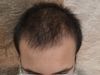
A 25-year-old man with mild hair loss is using a topical finasteride treatment, biotin and ajuga reptans supplements, ketoconazole shampoo, and microneedling for hair growth. Due to a heart condition, he can't use minoxidil and is seeking alternative hair growth treatments, considering both medicinal and natural remedies like rosemary oil.
A 23-year-old male is experiencing a receding hairline and overall thinning hair, affecting his confidence. He is considering using finasteride and minoxidil pills to address the issue.
A user experimented with creatine while using finasteride and minoxidil for hair loss, noticing increased bald spots and thinner hair, but attributed it to his hair cycle rather than creatine. Other users suggested that creatine doesn't cause hair loss directly, but increased testosterone from workouts might affect those with a genetic predisposition.
The user has been using a combination of treatments including Dutasteride, Minoxidil, RU58841, ketoconazole shampoo, microneedling, and low-level laser therapy to address hair loss but continues to experience shedding and density loss. Despite high testosterone and iron levels, the user is frustrated with the lack of improvement and is considering adjusting treatment or exploring other options like a hair transplant.
The user is treating hair loss with 1mg finasteride every other day, daily topical minoxidil, and weekly derma rolling, and is considering using hair fibers for special occasions. There is a discussion about the initial shedding phase of minoxidil treatment and the importance of consistent photo conditions to track progress.
Hair loss treatments, specifically Minoxidil, Fluridil & Alfatradiol, Nizoral, Saw Palmetto, Hairmetto and Microneedling. The user mentioned they have seen a decrease in shedding and improvement in the quality/density of their hair since using this stack, but opted out of trying Finasteride due to potential side effects.
The user is experiencing hair shedding despite starting finasteride 4 months ago, with no signs of miniaturization. They are seeking advice after normal blood tests and similar family experiences.
Amplifica's new injectable treatment for androgenetic alopecia shows a 15% increase in hair thickness and coarseness in 60 days. The treatment is in early human trials and offers a promising alternative to hormone-related hair loss treatments.
A user shared progress pictures 1.5 months after a hair transplant of 3500 grafts, using oral finasteride, topical finasteride, minoxidil, and vitamins. They are concerned about potential shock loss and the thinning appearance.
A 44-year-old is experiencing rapid hair thinning after weight loss, despite using finasteride for two years. They have added minoxidil, vitamins, ketoconazole shampoo, derma stamping, and are considering PRP treatment while slowly introducing dutasteride.
Some hair loss may be linked to chromosome 20, which isn't affected by DHT blockers like finasteride. Treatments like minoxidil, microneedling, and genetic testing are suggested, but their effectiveness for this type of hair loss is uncertain.
A 28-year-old male, who has been using minoxidil for 7 years, is concerned about hair miniaturization and is considering adding pyrilutamide, alfatradiol, and nizoral to his regimen after experiencing side effects from finasteride. Despite concerns, others reassure him that his hairline appears normal for his age, and he is likely around a Norwood 1.5.
The user has been dealing with hair loss for six years using minoxidil, finasteride, and dutasteride without success. They are contemplating shaving their head due to continued hair loss and social anxiety.
The user is experiencing hair loss despite using dutasteride, minoxidil, and ketoconazole shampoo, and is concerned about continued shedding. Suggestions include checking for nutrient deficiencies, consulting a dermatologist, and considering other potential causes like seborrheic dermatitis or telogen effluvium.
A 19-year-old experiencing hair loss since 17 uses finasteride, minoxidil, dermaroller, ketoconazole shampoo, and oral castor oil, but sees little improvement. They seek advice on adding an anti-androgen, considering alfatradiol.
The user shared a 10-month hairline update using 5% topical Minoxidil and 2.5% oral Finasteride, noting some improvement despite a second shedding phase. They switched to oral Minoxidil for convenience, which may have caused the shedding.
The user is experiencing severe hair loss, possibly due to telogen effluvium, after stress, poor nutrition, and hormonal changes. They are using Nizoral and supplements but are considering hormonal treatments like spironolactone despite previous side effects.
Why the top of the head is affected by hair loss more than other areas, and treatments such as surgery, medications like minoxidil, finasteride, and RU58841 to treat it.
A user has been losing hair for two and a half years after a tropical trip and illness. A dermatologist prescribed betamethasone valerate 0.1% lotion, but the user is unsure if it's safe or effective for general hair loss.
A 30-year-old with diffuse thinning and a balding crown is using a treatment regimen of a 2-in-1 pill containing finasteride, minoxidil, and biotin, along with various supplements. After two weeks, no side effects have been experienced, and updates with pictures will be posted monthly.
Young individuals with seemingly healthy hairlines are using treatments like finasteride, dutasteride, and minoxidil, possibly due to paranoia or proactive prevention of hair loss. Some believe social media influences this behavior, while others argue for waiting until actual hair loss begins before starting treatment.
The conversation discusses the emotional impact of early hair loss in men, with many feeling isolated and self-conscious. Some users also mention the lack of awareness about potential treatments like Minoxidil and Finasteride.
The user has been using topical minoxidil and finasteride for hair loss, with some regrowth at the temples but continued hairline thinning. The dermatologist suggested possible telogen effluvium due to stress and deficiencies, prescribed oral minoxidil, and may consider dutasteride if the condition doesn't improve by January 2026.
A 25-year-old shared impressive hair regrowth results after 5 months using 5% topical minoxidil (Rogaine and Kirkland) and 1 mg oral finasteride (Propecia), with no shedding or side effects. The user applies minoxidil twice daily and finasteride once daily.
Triple Hair Inc. developed a new topical treatment, TH07, combining Finasteride, Latanoprost, and Minoxidil for androgenic alopecia. Users discussed its effectiveness compared to other treatments and shared their own product combinations.
The individual has experienced a sore, stiff, and itchy scalp with hair loss for 4.5 years, and has noticed increased thinning and miniaturized hairs, especially at the temples. They have tried ketoconazole shampoo without success and are considering finasteride for treatment.
Young men experiencing hair loss should consult a dermatologist and consider treatments like finasteride and minoxidil. Shaving is an option, but medications can help maintain and regrow hair, though results vary.
Hair loss advice: stick with treatment, get a good haircut, focus on maintenance, self-care, and accept oneself. Treatments mentioned: Minoxidil, Finasteride, RU58841.