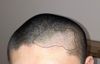
The user reports hair growth improvements after using topical minoxidil, oral finasteride, and weekly dermarolling for about three months, but is experiencing dandruff, possibly due to the minoxidil.
The user experienced improved self-confidence and hair regrowth using finasteride, minoxidil, and dermarolling. Visible results were noted after about three months, with microneedling done once a week.
The user reports significant hair regrowth using a topical solution of 5% minoxidil and 0.1% finasteride twice daily, along with derma rolling twice a week. They have not experienced shedding and are optimistic about continued hair growth.
A user is upset about hair loss due to seborrheic dermatitis and DUPA, which prevents a hair transplant. They mention using jojoba oil and discuss treatments like Minoxidil, finasteride, and RU58841.
Using tretinoin with minoxidil can cause burning and flaky skin due to alcohol in minoxidil and tretinoin's effects. Solutions include using minoxidil foam, starting with low tretinoin doses, moisturizing, and gradually increasing usage.
Winlevi (clascoterone) is discussed as a treatment for hormonal acne and seborrheic dermatitis due to its ability to block DHT and regulate sebum production. The post suggests that Winlevi could offer a novel approach for managing seborrheic dermatitis.
The user is experiencing one-sided diffuse thinning and has been using finasteride and liquid minoxidil for 4-5 years with minimal results. They are considering whether to save for a hair transplant or address scalp sensitivity and irritation first.
The user experienced increased hair loss and scalp itchiness despite using finasteride and plans to resume minoxidil and start microneedling. They are considering using clay, Aveda thickening tonic, and a beanie to manage the appearance of thinning hair.
A 24-year-old male has been using 0.1% finasteride and 5% minoxidil daily for four months, added dermarolling and topical dutasteride, and sees hair regrowth, improving from a Norwood scale 4a to 3a. He wants to optimize his hair loss treatment routine.
Piloscopy's impact on hair loss treatment after 10 years remains unclear, and peppermint oil has shown to be effective, similar to minoxidil, in stopping recent hair loss. The user is considering dermarolling and has concerns about hair transplant scars.
Significant hair improvement was reported after 18 months of using 1mg dutasteride and 2.5-5mg oral minoxidil daily for diffuse unpatterned alopecia. The discussion includes praise, skepticism about authenticity, and concerns about side effects.
The user treated seborrheic dermatitis and hair loss with a routine including sulfate-free tea tree oil shampoo, ketoconazole shampoo, minoxidil foam, microneedling, and supplements like Omega-3 and Vitamin-D. They experienced significant hair shedding initially but saw improvement over a year.
The user shared a 4-month hair loss treatment update, using Kirkland liquid minoxidil twice daily, microneedling with 1.5mm and 0.5mm needles, and applying rosemary oil twice a week. They plan to start taking finasteride and also grew a beard by microneedling and applying minoxidil to their face.
The post discusses the potential of upregulating aromatase to treat hair loss, suggesting that increasing CCL2 levels through Vitamin D or microneedling might help. The user questions why microneedling doesn't work for everyone, especially those with advanced hair loss.
An 18-year-old woman experiencing hair loss due to stress, possible PCOS, and low vitamin D is concerned about starting 5% minoxidil foam, prescribed by her doctor, due to potential facial hair growth. She is also using a topical steroid for scalp sensitivity and pain.
A 22-year-old male is using topical dutasteride, minoxidil, tretinoin, and microneedling for hair loss, experiencing some side effects like mild ball pain and initial shedding but seeing progress in hair thickness. He plans to increase the dutasteride dose and has tried various treatments, including finasteride and RU58841, with differing side effects.
A 19-year-old male shared his 3-month hair regrowth progress using finasteride, minoxidil, and microneedling, with noticeable improvement. He uses 1mg oral finasteride daily, 5% minoxidil foam twice a day after day 80, and microneedles with a 1.5mm derma stamp every 1-2 weeks.
A user developed a rash after 3 years of using Kirkland minoxidil foam, possibly due to a change in ingredients. They are considering switching to Foligain or Rogaine foam to avoid further issues.
Hopeful treatments for hair loss, including Verteporfin, Androgen Receptor Degradation, and SCUBE3. These treatments offer potential solutions to slow or stop the effects of androgens on the scalp.
After one month of treatment for hair loss, which included Dutasteride, oral Minoxidil, PRP with Dutasteride mesotherapy, microneedling, supplements, and a shampoo with finasteride and minoxidil, the user observed thicker hair and signs of new hair growth with no bad side effects. They plan to provide another update at the three-month mark.
The user experienced no improvement in hair loss with finasteride and minoxidil but had side effects. They plan to add wounding, scalp massage, vitamin K, and taurine supplements to their regimen and seek feedback on these additions.
Fluridil degrades androgen receptors, which are prevalent in the scalp and other tissues. People with androgenetic alopecia (AGA) may have higher expression of these receptors and 5AR activity in affected scalp areas.
Switching from liquid to foam Minoxidil to avoid scalp irritation, with a method to melt the foam for easier application. Users discuss alternatives and personal experiences with Minoxidil, including issues with propylene glycol and different application methods.
A 36-year-old has been using oral finasteride (1 mg daily) and topical minoxidil twice a day since September 2023, and added LLLT (helmet) to their routine 2 months ago, seeing positive changes. They also use Ketoconazole shampoo, rotate other medical shampoos, train regularly, eat clean, and manage stress.
Minoxidil and microneedling are causing new hair growth, particularly in the center of the hairline, creating a more prominent M shape. Users discuss the progress and potential benefits of the treatment.
The user is experiencing diffuse hair thinning despite using dutasteride and minoxidil for over five years and is considering adding oral minoxidil, microneedling, and nizoral to their regimen. They are concerned about the effectiveness and side effects of these treatments, especially with an upcoming event.
A user is treating hair loss with Dutasteride, Minoxidil, RU58841, Derminator 2, Vitamin D, Biotin, and Zinc. After 6 months, there's no significant visual improvement, but the user feels less insecure about Retrograde Alopecia.
A user's experience using topical finasteride and melatonin to regrow hair, as well as their use of dermaroller versus dr. Pen for microneedling. People discussed the benefits of oral minoxidil and questioned if melatonin could help with hair regrowth.
A 30-year-old woman with a history of anemia and low vitamin D experienced hair shedding, which improved after addressing nutrient deficiencies. Despite regrowth of terminal hairs, her dermatologist recommended treatments like minoxidil and spironolactone to prevent future bald spots, but she is cautious due to family history of hormone-related cancers.
A 26-year-old male with high testosterone is experiencing diffuse hair thinning despite using a comprehensive treatment regimen including dutasteride, oral minoxidil, RU58841, ketoconazole shampoo, microneedling, and low-level laser therapy. Suggestions include adjusting dutasteride dosage, monitoring iron levels, and consulting a dermatologist for further evaluation.