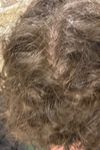
Using finasteride and peptides, including GHK-Cu, improved hair thickness and regrowth. The user also used a KLOW blend and CJC/IPA for better sleep and recovery.
BigLu2012 tried various hair loss treatments for 3 years, including Fin, Min, and RU, but experienced side effects and worsening hair condition. Ready-Character1581 suggested focusing on mental health and not stressing about hair, as it looks better than most.
The user is experiencing diffuse shedding but also hairline regrowth after starting finasteride, switching to dutasteride, and using oral minoxidil, ketoconazole shampoo, and RU58841. Other users advise patience, suggesting that the treatments need more time to show results and caution against using too many medications simultaneously.
A user reports positive results with finasteride, noticing thicker hair and regrowth at the temples and hairline. Another user shares their experience with minoxidil, noting small hairs that haven't grown, and plans to add finasteride to their regimen.
A 33-year-old woman experienced significant hair loss and found relief using Mary Ruth’s liquid morning multivitamin + hair growth and Nioxin shampoo and conditioner. She noticed reduced shedding and longer hair growth after three months of use.
A 20-year-old feels defeated about hair loss and struggles with consistent minoxidil use due to ADHD. They plan to visit an endocrinologist for finasteride and consider shaving their head while continuing treatments.
Jamesdunn8811 has been using a combination of finasteride and minoxidil to treat his hair loss over the past four months, with successful results. He has experienced no side effects and noticed increased thickness and baby hairs growing in both temples.
The user has mostly recovered hair density using finasteride, alternating oral and topical minoxidil, and occasional dermarolling, but the crown area is still struggling. Advice includes continuing treatment for up to 24 months and possibly consulting a doctor if issues persist.
A user reported thickening their hairline using a nightly mixture of castor oil, peppermint oil, rosemary oil, and sandalore, without using minoxidil due to side effects. They also continued using alfatriodol for DHT blocking and saw modest improvements after 6 months.
A user shared their experience with hair loss treatments, including finasteride, minoxidil, and RU58841, which improved their hair from a diffuse NW3 to a solid NW2 - 2.5. They noticed significant changes in how people treated them after regrowing their hair, suggesting that attractiveness can greatly impact social interactions and opportunities.
A user shared their 21-month hair regrowth journey using oral Finasteride 1mg daily and Minoxidil 5% topical applications. Despite initial discouragement due to slow progress, they saw significant improvement, reducing the need for a hair transplant to minor fill-ins at the front hairline.
A stem cell and adenosine triphosphate cocktail showed promising results in hair regrowth for male and female mice, with potential for future clinical trials. Users humorously reacted to the success in mice, expressing hope for human application.
A 21-year-old shares their one-year progress using finasteride for hair loss, experiencing initial shedding but eventual regrowth, especially on the crown. They consider switching to dutasteride due to continued hair loss at the front temple and mid-scalp areas.
Batana Oil is discussed for its potential benefits in promoting hair growth and addressing balding and receding hairlines, though scientific evidence is lacking. The user seeks personal experiences and any supporting information on its effectiveness.
Minoxidil is applied beyond the crown, including the hairline and other areas, despite labels suggesting crown use only. Users report success with broader application, and some prefer oral minoxidil for convenience.
The conversation discusses GT20029, a compound by Kintor Pharma that degrades androgen receptors and is in trials, with potential as a hair loss cure. Another promising treatment mentioned is an antibody that blocks prolactin and has shown positive results in macaques.
A boyfriend's hair improved significantly over 10 months using minoxidil, steroid cream, antihistamine cream, and wild growth oil, with a strict cleaning regimen. His partner's dedicated care contributed to the transformation.
Sodium dodecyl sulfate, oleic acid, and palmitoleic acid may promote hair growth, but their safety and effectiveness for humans are uncertain. Users consider trying these treatments cautiously, exploring alternatives like ostrich oil and microneedling.
The user's hair appears to have improved, looking thicker and healthier, especially around the temples, after using topical minoxidil, finasteride, dutasteride, and tretinoin. Most participants agree the last picture shows significant improvement, though one disagrees.
A mixture of MSM, kombucha, and black tea was applied topically for hair growth in mice. The conversation suggests skepticism about translating these results to humans.
A 60-year-old man experienced significant hair regrowth over four months using a topical solution with finasteride 0.3% and minoxidil 6%. The progress is impressive, especially given his 20-year history of a bald spot.
Using 2.5mg oral minoxidil and 1mg oral finasteride daily leads to significant hair regrowth without side effects, especially at the crown. Consistency is crucial, and some users consider additional methods like derma rolling.
Minoxidil 5%, finasteride 1 mg, and L-arginine are discussed for male pattern baldness. L-arginine may help with blood flow but its effectiveness for hair loss is uncertain.