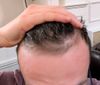
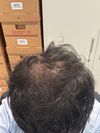
User tried dutasteride, topical finasteride, oral minox, dermawounding, saw palmetto, pumpkin seed oil, and ketacozonole for hair loss. Improvement was temporary, now trying RU58841 and seeking help.
Hair loss treatments, including finasteride, minoxidil, and herbal supplements, with a humorous tone. Users discuss the challenges and sacrifices of hair loss and hair restoration efforts.
A 30-year-old shared their successful hair restoration journey using a combination of liposomal topical finasteride and minoxidil, vitamins, and a second hair transplant in Greece, resulting in life-changing improvements without side effects. The user emphasized the importance of proper research for hair transplant clinics and expressed gratitude for finding an effective treatment protocol.
A user shared their 11-month hair regrowth progress using 1mg finasteride daily and topical minoxidil, noting significant improvement despite initial shedding. They advise continuing treatment through sheds and suggest starting finasteride before minoxidil if anxious about hair loss.
User gained hair with topical minoxidil and finasteride, then experienced shedding after starting pyrilutamide. After 12 weeks, new hairs grew and existing hairs thickened, hoping for more improvement in a year.
A user shared their 9-month hair recovery progress using minoxidil, finasteride, Alpecine shampoo, coconut oil, a multivitamin, and plenty of water. Replies praised the significant improvement from NW3 to NW2 with good density.
The conversation humorously discusses hair loss treatments, focusing on finasteride and hair transplants, with references to public figures like Trump and Biden. It speculates on whether Trump has stopped using finasteride, noting his hair thinning and potential side effects.
Melatonin, gingko biloba, and biotin are effective for treating hair loss with good tolerability. Alternatives like dutasteride, minoxidil, and other peptides are also discussed.
An 18-year-old male is experiencing significant hair shedding, particularly from the back of his head, despite normal blood test results except for slightly low vitamin D. A dermatologist prescribed minoxidil for receding temples, but the cause of the shedding remains unclear.
The user's hair appears to have improved, looking thicker and healthier, especially around the temples, after using topical minoxidil, finasteride, dutasteride, and tretinoin. Most participants agree the last picture shows significant improvement, though one disagrees.
A rigorous and extensive regimen for hair regrowth, including oral and topical minoxidil, finasteride, dutasteride, RU58841, various oils, supplements, and lifestyle changes, is discussed with skepticism and humor. The consensus is that such an extreme routine is impractical and potentially harmful, with no guaranteed results.
White peony root extract is discussed as a potential treatment for hair loss. The conversation questions if anyone has tried it or researched its use in traditional Chinese medicine.
The conversation discusses the effectiveness of combining Laminaria japonica and Cistanche tubulosa extracts for hair growth. It also mentions treatments like Minoxidil, finasteride, and RU58841.
A 32-year-old male has been dealing with hair loss since 2010 and started treatment 11 months ago. He used dutasteride, finasteride, minoxidil, multivitamins, vitamin D3, PRP, and a laser cap, resulting in improved hair density despite ongoing shedding.
The post is about a user's successful hair regrowth over a year using daily finasteride and minoxidil. The user initially applied minoxidil twice daily, then reduced to a few times a week, and took oral finasteride every morning without side effects.
A user shared progress pictures after 4 months of using topical finasteride and minoxidil, dutasteride, rosemary oil shampoo, ketoconazole, and pumpkin seed oil, reporting great results and increased hair thickness. Other users commented on the mild initial hair loss and congratulated the user on their success.
A user shared their 2-month progress on hair regrowth using oral minoxidil, oral finasteride, and topical minoxidil with pyrilutamide. They reported seeing tiny hairs growing and no side effects from finasteride so far.
A user encouraged others experiencing hair loss to try shaving their heads, sharing their own positive experience despite briefly using finasteride and natural methods. Responses were mixed, with some supporting the decision and others suggesting treatments like minoxidil and finasteride, while many commented on the appearance changes.
User experienced significant body hair loss from Finasteride and started oral Minoxidil to address crown thinning. Their current regimen includes 1mg Finasteride, 2.5mg Minoxidil, Biotin, Vitamin D, Zinc, Iron, and ketoconazole shampoo.
A 26-year-old male with a family history of early baldness documents his hair loss journey, using finasteride, dutasteride, and Nizoral, along with lifestyle changes like weightlifting and a vertical diet. Despite some stabilization, he continues to experience thinning and remains determined to fight hair loss.
A 31-year-old man using finasteride for a year is considering adding oral minoxidil or switching to topical minoxidil to address diffuse thinning, while also using a scalp massager and ketoconazole shampoo. Concerns include cardiovascular side effects, pet safety with topical minoxidil, and cost of telehealth services.
The user follows an intensive hair loss protocol including dutasteride, biotin, black tea, pumpkin seed oil, peppermint shampoo, rosemary conditioner, mukemame, soy milk, lycopene, garlic, magnesium, chamomile, spicy food, citrus bergamot, zinc, multivitamins, kefir, and Greek yogurt. They plan to alternate between pumpkin seed oil and safflower oil and will share before and after pictures.
A 28-year-old man saw hair regrowth after 1.5 years using a topical treatment combining 0.3% finasteride and 6% minoxidil. He initially experienced anxiety with oral finasteride but had no side effects with the topical version.
The user had a hair transplant in Turkey and started taking finasteride to maintain hair growth. They are satisfied with the results and plan to continue using finasteride while being cautious about hairstyles to prevent traction alopecia.
The user tried finasteride, topical minoxidil, dutasteride, and oral minoxidil for hair loss. After accepting their fate and stopping treatment, they noticed significant regrowth after using oral minoxidil. They consider it a success.
The post is an update on the user's hair loss journey. They have a strong hair follicle that has remained unaffected by hair loss for almost 3 years. The user is starting finasteride and using ketoconazole, alfatradiol, and oral castor oil for hair maintenance.
A user shared their positive experience with Laq herbal shampoo and Sevich Batana oil for hair loss due to PCOS and an unbalanced diet. They noticed significant improvement after three weeks of using these products.
FalseHour6541's two-year experience with Minoxidil and Finasteride, resulting in good density on their crown; other users suggested a hair transplant to help reduce the receding hairline.
The user started a hair care routine using 0.5mg finasteride daily, 2ml of 5% minoxidil, and 4.5mg of cetirizine topically to address hair loss. They plan to provide updates and are also interested in cetirizine's potential to reduce scalp itching and redness due to its anti-inflammatory properties.
A user shared their hair regrowth journey using a comprehensive treatment plan including oral minoxidil, oral dutasteride, topical minoxidil, Nizoral shampoo, microneedling, and various supplements. They reported noticeable improvement in their crown area after 4.5 months, with only minor side effects like forehead pimples.