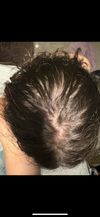
PP405, a topical LDH inhibitor, has shown to stimulate hair follicle stem cell proliferation in humans with moderate hair loss. They are advancing to more detailed trials this year.
A user named Mmherak is experiencing hair loss, with low B12 and iron deficiency, and has been recommended minoxidil and spironolactone by dermatologists. Other users suggest seborrheic dermatitis or dandruff, recommending treatments like Nizoral shampoo, ketoconazole, and Selsun Blue.
Male pattern baldness (MPB) may be influenced by androgen receptors in scalp hair follicles and potentially poor blood flow. Transplanted hair is not immune to DHT, and factors like inflammation and scalp tension might also contribute to hair loss.
User is experiencing a very dry scalp with thick white flakes from using liquid minoxidil twice daily for a year. They use Nizoral every 10 days and are seeking advice for a healthier scalp, with a suggestion to use finasteride instead.
People are humorously discussing unconventional hair loss remedies like pig lard and raw liver, while also mentioning treatments like Minoxidil, finasteride, and RU58841. They mock the idea that seed oils cause balding and criticize misinformation.
A user shared their experience with scalp micropigmentation (SMP) after one year. They discussed using Minoxidil, finasteride, and RU58841 as treatments for hair loss.
Hair loss theories discussed include poor blood flow, scalp tension, inflammation, and DHT. Treatments mentioned are massaging scalp, minoxidil, finasteride, and RU58841.
A person dealing with hair loss is considering shaving their head, using scalp micropigmentation to cover a FUT scar, or trying a hair system. They are also contemplating treatments like minoxidil, finasteride, and dutasteride.
The conversation is about using liquid melatonin, typically for sleep, as a topical treatment for hair growth on the scalp. No specific treatments were mentioned.
An 18-year-old male experiencing hair thinning and loss is using oral minoxidil, topical minoxidil, finasteride, and a multivitamin as prescribed by a dermatologist. He's having difficulty applying the topical minoxidil effectively due to his hair length, as he feels a lot of it stays on his hair instead of reaching the scalp.
Tae147 has shared results of using pyrilutamide, a 5% concentration topical solution applied twice daily, in combination with minoxidil, to reduce scalp itchiness and hair shedding. Other users have shared their experiences with the treatment, as well as questions about its availability on the market.
Hair loss discussion includes LLLT treatments and a satirical condition called PLLLTS, causing patients to resemble lighthouses and attract moths. Some users express concern about others taking the satire seriously.
Gut microbiome imbalances can cause scalp inflammation and affect hair follicles, potentially leading to hair loss. Treatments include finasteride, peptides like BPC-157, TB-500, KPV, and lifestyle changes such as diet and exercise.
Minoxidil can cause scalp flaking and dryness, often due to its alcohol content. Switching to foam minoxidil or using antifungal shampoos like Ketoconazole may help reduce these side effects.
Pelage is recruiting for phase 2 trials, showing promise for treating bald regions. The discussion highlights its potential effectiveness based on its mechanism of action.
A user diagnosed with Alopecia Areata started using Litfulo (ritlecitinib), kenalog shots, and mometasone furoate 0.1%. They shaved their head and are seeking others' experiences with Litfulo.
The user is considering using topical finasteride for thinning hair around the middle part, vertex, and crown, and is unsure if the whole scalp is thinning. Another user suggests oral finasteride is more effective than topical, and recommends consulting a dermatologist for proper treatment.
A 37-year-old male resolved scalp folliculitis by adopting a low-histamine diet and taking Vitamin A, Zinc, and Fish Oil, leading to better skin health and thicker hair. He warns about the potential toxicity of excessive Vitamin A intake.
The user is experiencing scalp irritation from a compounded treatment of finasteride, minoxidil, and tretinoin. They are considering switching to a non-alcohol, propylene glycol-free formula with a lower tretinoin percentage to reduce irritation.
OP is considering adding topical bimatoprost or latanoprost to their hair loss treatment, which already includes oral minoxidil, and is seeking reliable sources for these products. Users discuss the effectiveness and sourcing of these treatments, with some using bimatoprost for both hairline and eyelashes, and others planning to use latanoprost mixed with finasteride.
A 22-year-old male experiencing hair thinning and loss, possibly due to seborrheic dermatitis or low vitamin D, is cautious about using minoxidil or finasteride due to heart palpitations and high blood pressure. Suggestions include using ketoconazole shampoo to control inflammation and focusing on treating the dermatitis first.
The user is considering Botox for scalp hair loss and currently uses finasteride, minoxidil, microneedling, pumpkin seed oil, saw palmetto, and green tea extract. They seek information on potential risks and effectiveness.
The conversation discusses using cetirizine (Zyrtec) topically to relieve scalp itch associated with hair loss and suggests it may also benefit androgenetic alopecia (AGA). One person found relief from scalp itch after three months on finasteride, noting the itch was linked to areas where hair was lost.
The conversation discusses hair loss concerns, specifically traction alopecia and hair loss from acne. It mentions that sleeping on one side is unlikely to cause traction alopecia.
Switching from liquid to foam Minoxidil to avoid scalp irritation, with a method to melt the foam for easier application. Users discuss alternatives and personal experiences with Minoxidil, including issues with propylene glycol and different application methods.
The conversation is about a user massaging their scalp for 123 days to address hair loss, with mixed opinions on its effectiveness. Some suggest using minoxidil and finasteride for better results.
A user is experiencing scalp flaking from a finasteride/minoxidil topical solution and considers using salicylic acid shampoo to remove propylene glycol residue. Another user suggests trying a leave-in conditioner to address dryness and flaking.
Topical finasteride in a liposomal formulation reduces systemic absorption compared to ethanol solutions. The user is seeking sources for such products, noting that popular options like morr-f are not liposomal.
After suffering from hair loss and trying various treatments like finasteride, minoxidil, RU58841, and scalp micropigmentation without lasting success, the individual found freedom and a renewed sense of self by shaving their head and accepting their baldness. They encourage others struggling with hair loss to not waste years searching for a cure and to consider embracing a shaved head as a positive solution.
The conversation is about using scalp massaging and Theramid copper peptides for hair loss, with OP reporting slight improvement after four months. OP applies the peptides once daily and massages the scalp twice a day.