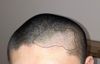
A 20-year-old shared progress pictures after 2 years of using oral finasteride and oral minoxidil for hair loss. Responses included admiration and requests for more details and updates.
The conversation is about using Listerine as an alternative to rubbing alcohol for sterilizing a dermaroller due to unavailability. The ingredients of Listerine are listed to determine its suitability.
The user, Salty-Peace-577, shared their 5-month update on using 0.5mg oral finasteride and 2.5mg oral minoxidil for hair loss. They experienced significant hair growth, particularly in their eyebrows, and shared their regimen and tips for hair growth. Some users in the conversation also discussed the side effects they experienced with different dosages of the medications.
The conversation is about someone showing hair regrowth using liquid Minoxidil and vitamins, with others suggesting the addition of finasteride to maintain the improvement.
A user experienced significant swelling after a hair and beard transplant, possibly due to an allergic reaction or improper post-surgery care. Despite dissatisfaction with the clinic's handling of grafts and customer service, the user appreciates the clinic's skill in achieving natural hairline density.
A user shared progress on hairline improvement after 3 months using oral finasteride, topical minoxidil, and a dermaroller. They also use Alpecin Caffeine shampoo daily and ketoconazole shampoo weekly.
Licorice is not recommended for hair loss as it inhibits hair growth and is a non-selective testosterone inhibitor. Alternatives like spironolactone are suggested for those considering hormonal treatments for hair loss.
The user experienced side effects from a hair loss treatment and is considering using pyrilutamide, alfatradiol, and possibly minoxidil. They are unsure about starting minoxidil immediately or waiting to see the effects of the other treatments.
The conversation is about trying DS Labs SOD supplements for hair loss, which contain ingredients like Genistein, B-sitosterol, and Biotin. The user is considering adding these supplements to their existing hair care routine.
The user is experiencing an allergic reaction to propylene glycol in Kirkland minoxidil and is considering switching to a foam version or a low-PG minoxidil solution. They are also contemplating oral minoxidil but are concerned about its long-term safety.
The user shared their 4.5-month progress using oral finasteride, topical minoxidil, and oral dutasteride, along with biotin, vitamin D, saw palmetto, and multivitamins. They use a combination of finasteride and dutasteride weekly, with micro-stamping, to address hair loss.
VDPHL-01 is essentially a slow-release oral minoxidil, which is already known to work for hair growth. The formulation includes other ingredients like Medrogestone, Valproic acid, Setipiprant, and Cetirizine, but their effectiveness and necessity are questioned.
A 16-year-old researching and trying Pyrilutamide for hair loss treatment, reporting back on side effects experienced after one week of use; the reported side effects included testicle pain, headache, and increased shedding. Libido and sexual performance seemed unaffected.
The user is using oral finasteride and minoxidil for hair loss but reduced the dosage due to side effects like lightheadedness and weakness. They are also taking vitamins and natural DHT blockers.
The conversation is about a user obtaining a compounded treatment for hair loss, including 0.1% latanoprost, 0.2% melatonin, and 1% cetirizine. The user also uses 2.5 mg dutasteride, 5 mg minoxidil, and RU58841 daily, and is at Norwood 2.
A 31-year-old uses Minoxidil, RU58841, Reviv Hair Serum, and Ketoconazole shampoo for hair loss but avoids finasteride. They plan to reintroduce red light therapy (LLLT) and Eucapil despite previous shedding concerns.
PP405 is a promising molecule that may reactivate dormant hair follicles, potentially offering a new treatment for hair loss. It is in phase 2 trials, with possible availability between 2027 and 2030.
The conversation is about hair regrowth progress using topical finasteride and minoxidil twice daily, with occasional microneedling. The user also uses Minoxidilmax and WOW Skin Science Apple Cider Vinegar Shampoo.
Pelage secured $120 million for PP405, a non-hormonal topical hair loss treatment, sparking debate on its potential as a breakthrough. Concerns about finasteride's side effects persist, with some suggesting alternatives like topical finasteride or dutasteride.
A 32-year-old is pleased with hair growth results from using oral finasteride (1.2mg) and minoxidil (3mg) without side effects, after switching from topical minoxidil. They report no shedding and increased facial hair density, and they purchase the combo pill from the Hims brand.
The conversation discusses the use of topical spironolactone for hair loss, with the original poster applying 8 ml daily but learning that 2 ml is recommended. It also touches on hair transplants and the role of DHT sensitivity in hair loss, emphasizing individual differences in treatment outcomes.
The post discusses hair loss treatments, specifically using large amounts of finasteride, minoxidil, and micro-needling. The comments suggest various other remedies, like monkey oil, rosemary oil, and biotin, while some advise to embrace baldness and focus on confidence.
The user is using finasteride, RU58841, and various natural supplements and treatments like seamoss, fish oil, and black rice water spray to combat hair loss, avoiding minoxidil due to dependency concerns. They report thicker hair and regained confidence, while discussing the potential risks and benefits of RU58841 with others.
The user has been using finasteride and Alpecin shampoo for about three years, reporting thicker hair but an unchanged hairline. They are happy with their hair progress, noting the most improvement in the past five months, and mention a slight decrease in libido.
A user's progress with hair loss treatment, which includes taking 1/2mg of Fin/Min orally daily and using 5% topical Minoxidil in the evenings; additionally, micro-needling is performed fortnightly, along with 2 Nizoral washes per week.
A 24-year-old shared six-month progress on hair loss treatment using 1mg finasteride daily, 1ml 5% minoxidil once a day, and microneedling every two weeks. The hair appears stronger.
The user is trying a new hair loss regimen including Spirolactone, Finasteride, oral Minoxidil, microneedling, and various supplements. They are experiencing increased shedding and seeking advice on microneedling and treatment effectiveness.
The conversation is about someone using finasteride and minoxidil along with microneedling as a treatment for hair loss, and there's a mention of scalp tattooing as an alternative or additional approach. Some responses mock the approach, while others inquire about the specifics of the treatment and its effectiveness.
Treatments for hair loss, such as minoxidil, finasteride, and RU58841; humorous posts about hair loss; and the choice to stop using treatments in exchange for a different look.