The conversation is about severe Vitamin D deficiency and its potential link to hair loss. The user is already using oral finasteride, topical finasteride, and topical minoxidil for aggressive hair loss.
The user has been using oral dutasteride and topical minoxidil for 8 years, added oral minoxidil 6 months ago, but continues to experience hair thinning despite reduced shedding. They are considering checking iron levels, switching medication brands, and exploring other treatments like RU58841.
Pyrilutamide's effect on sebum production and scalp inflammation is unclear, with users noting no significant changes. Isotretinoin is mentioned as effective for reducing sebum, while Dutasteride and various shampoos have limited impact on oiliness and seborrheic dermatitis.
A user seeks advice on supplements to counteract libido and erection issues while taking Finasteride. Suggested supplements include Zinc, Maca, L-Arginine, L-Citrulline, Ginseng, Ginkgo, Ashwagandha, and Boron.
A 26-year-old male with high testosterone is experiencing diffuse hair thinning despite using a comprehensive treatment regimen including dutasteride, oral minoxidil, RU58841, ketoconazole shampoo, microneedling, and low-level laser therapy. Suggestions include adjusting dutasteride dosage, monitoring iron levels, and consulting a dermatologist for further evaluation.
Hair loss discussion includes LLLT treatments and a satirical condition called PLLLTS, causing patients to resemble lighthouses and attract moths. Some users express concern about others taking the satire seriously.
A 20-year-old is experiencing hair loss and has low levels of Vitamin D, B12, and iron. They are seeking advice on vitamin D supplementation, despite no family history of hair loss.
A 15-year-old experiencing severe diffuse thinning plans to use minoxidil, dermarolling, and possibly ketoconazole, with hopes to later incorporate finasteride. Concerns about starting finasteride too young and the need for a dermatologist consultation are discussed.
A 47-year-old male experienced mixed results with hair loss treatments using finasteride and oral minoxidil. After reducing dosages and adding creatine, he noticed shedding, but switching back to higher doses and changing to pea protein may help regain progress.
The user is experiencing hair loss with symptoms of receding hairline, extreme shedding, and low density, possibly due to androgenic alopecia, diffuse thinning, retrograde alopecia, or telogen effluvium. They have used minoxidil and noticed changes in shedding patterns related to different water qualities and seborrheic dermatitis.
A user noticed watery semen and decreased volume after a week of using finasteride and asked if taking Zinc, pygeum, and lecithin supplements would affect finasteride's effectiveness. The conversation is about the side effects of finasteride and potential supplements to counteract them.
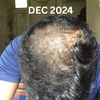
The user experienced hair loss since 2021, tried various treatments, and is currently using oral minoxidil and finasteride since December 2024. They are experiencing shedding, which is common when starting or stopping treatments, and are advised to continue the current regimen as it may stabilize over time.
PP405 is a potential hair loss treatment that inhibits mitochondrial pyruvate carriers, increasing lactate dehydrogenase activity and stimulating hair follicle stem cells. In a phase 1 trial, 31% of participants showed over 20% hair density increase with PP405 treatment.
User quit minoxidil and finasteride, starting stemoxydine, dermastamp, and dermapen for hair loss. Seeks advice on alternatives, avoiding androgen disruptors and vasodilators/vasoconstrictors.
The user is experiencing hair loss despite using dutasteride, minoxidil, and ketoconazole shampoo, and is concerned about continued shedding. Suggestions include checking for nutrient deficiencies, consulting a dermatologist, and considering other potential causes like seborrheic dermatitis or telogen effluvium.
A 30-year-old man is considering quitting Finasteride due to sexual side effects, including reduced libido and difficulty reaching orgasm, despite its effectiveness in treating hair loss. He is exploring other factors like relationship issues and potential low testosterone, and is considering getting blood work done.
User experienced hair density decrease after 1 year of finasteride. Others shared similar experiences, suggesting it could be a temporary shed and discussed various treatments like dutasteride, minoxidil, dermaroller, and ketoconazole.
Concerns about the effectiveness of DHT inhibitors like finasteride and minoxidil due to potential polymorph issues. Experts suggest these concerns are largely unfounded, especially compared to rare cases like ritonavir.
The user is frustrated with hair loss despite using finasteride, dermastamping, oils, and a healthy lifestyle, but is hesitant to try minoxidil. Others suggest dropping ineffective methods and starting minoxidil, with some recommending switching to dutasteride for better results.
The user experienced hair shedding after increasing minoxidil from 5% to 7% with latanoprost, possibly causing telogen effluvium. They are on HRT with Lupron, Estradiol, and Raloxifene, and are concerned about the shedding's duration.
A 34-year-old male started using 0.5mg finasteride daily and switched from topical to 2.5mg oral minoxidil two weeks ago. He noticed his hair looks thinner without noticeable shedding and is concerned about diffuse thinning.
The user is experiencing one-sided diffuse thinning and has been using finasteride and liquid minoxidil for 4-5 years with minimal results. They are considering whether to save for a hair transplant or address scalp sensitivity and irritation first.
A 23-year-old male has been using finasteride for about 21 months and initially saw improvements in hair thickness and hairline. However, after a recent buzzcut, he noticed his hair growing back thinner and his hairline receding, questioning if it's a synchronized shed or if finasteride is losing effectiveness.
Addressing hair loss by checking vitamin D and iron levels is crucial before adding more treatments. Supplementing these deficiencies can significantly reduce shedding.
Discouragement regarding Pyrilutamide, a drug in development for hair loss, and the potential side effects of Finasteride. People discussed anecdotal experiences with Pyrilutamide as well as suggestions to wait out Phase 3 trials before making any conclusions.
A 21-year-old experienced severe hair shedding after switching from topical to oral minoxidil, despite previously managing hair loss with finasteride. They are concerned about the lack of improvement and are considering stopping minoxidil due to the dramatic hair loss.
The conversation discusses hair loss and the potential impact of diet and lifestyle changes, particularly increased protein intake, on hair health. The original poster shared their experience of improved hair appearance after weight loss and dietary changes, despite skepticism from others about lighting differences in photos and the effectiveness of diet alone without finasteride or minoxidil.
A 20-year-old is experiencing hair thinning due to vitamin D deficiency and has completed a vitamin D prescription without seeing improvement. Suggestions include waiting a few months for potential regrowth or considering treatments like minoxidil or finasteride for androgenetic alopecia.