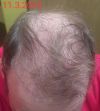
Oral minoxidil may cause dry skin and dark eye bags but doesn't significantly age the skin. Topical minoxidil is toxic to cats, and some users prefer finasteride.
The conversation is about a user's positive experience with hair loss treatment after 1.5 months, using topical finasteride, minoxidil, keto shampoo, and minoxidil shampoo, despite the drying effect of keto shampoo and a change in hair texture due to accutane. Responses include congratulations, personal experiences with hair loss treatments, and a mention of accutane's negative impact on hair.
The conversation discusses the potential benefits of finasteride (Fin) for lowering cholesterol and reducing cardiovascular disease risk, with users sharing personal experiences and opinions on the medication's effects on health and hair loss. Some users report positive changes in cholesterol levels after taking finasteride, while others are skeptical or joke about its effects.
The conversation is about a user sharing a nearly 2-year update on hair regrowth using finasteride and minoxidil, with occasional use of microneedling. Commenters are impressed with the significant improvement in the user's hair.
Dutasteride doses matter for hair loss treatment and are more effective than finasteride. RU58841 is suggested for better gains, but side effect profiles should be considered.
User discusses topical liposomal finasteride for hair loss, hoping to avoid breast growth side effect. Conversation includes using minoxidil, fluridil, and dermarolling, and mentions minimal systemic absorption of liposomal finasteride.
User "missbloombastic" has been experiencing hair loss since 2016 and tried min, fin, multivitamins, and spiro with mixed results. Another user shares their struggle with hair loss and its impact on self-esteem, while a third user suggests checking blood tests and confirming the cause of hair loss.
The conversation discusses the potential positive effects of melatonin on hair growth. The original poster plans to try both oral and topical melatonin and is seeking recommendations for a good source.
Natural remedies to treat hair loss, such as polyphenols, apple peel extract, grape seed extract, green tea extract, peppermint oil, pumpkin seed oil, apigenin, Ginkgo biloba, red clover extract, olive leaf extract, Ecklonia Cava and Grateloupia elliptica. In addition, terpenes, carotenoids, and tocopherols were discussed as potential treatments.
A user applied a homemade topical finasteride solution daily for 35 days, reducing hair shedding significantly with minimal side effects. They plan to continue for 90 days and will provide further updates.
The user has been using 1mg Finasteride daily for six months, experiencing reduced shedding and itchiness but some frontal thinning. They are considering adding Minoxidil and have started dermarolling to enhance results.
A 27-year-old male physician improved hair density using minoxidil 5% foam and finasteride 1mg every other day, with initial sexual side effects that subsided. He recommends trying finasteride for a year but warns against dutasteride due to potential liver effects.
A 19-20-year-old has been using 0.5 mg of dutasteride daily for a year to combat hair loss, avoiding minoxidil due to side effects. They plan to continue this regimen and consider a future hair transplant, experiencing no significant side effects from dutasteride.
The user is experiencing breast tissue growth from taking dutasteride and minoxidil, and is considering reducing the dosage or stopping the medication. Suggestions include seeing an endocrinologist, using Raloxifene or Arimidex, and considering topical treatments or surgery if necessary.
A 24-year-old shared their 7-month progress using a topical solution of finasteride 0.1%, minoxidil 5%, and hydrocortisone butyrate 0.08%, along with ketoconazole shampoo, to treat hair loss, reporting no side effects and noticeable hair improvement. They also take vitamin D and biotin supplements, use a dermastamp, and manage Hashimoto's without thyroid medication.
A dermatologist prescribed alternatives to Minoxidil and Finasteride for hair loss. Users recommend sticking with Minoxidil, Finasteride, or Ketoconazole shampoo and suggest seeking a second opinion.
The user replaced finasteride with saw palmetto due to availability issues and experienced side effects, leading to adjustments in their regimen. They use saw palmetto, minoxidil, Nizoral, and a dermaroller, reporting reduced side effects and some benefits, with hair fall ranging from 5 to 20 hairs daily.
Teenagers experiencing hair loss face ridicule instead of support, impacting their mental health. Effective treatments mentioned include minoxidil, finasteride, and dermarolling.
Topical dutasteride may be effective for hair loss by staying in the scalp and minimizing bloodstream absorption, potentially improving hair results and reducing side effects. The user seeks advice on its effectiveness.
Hair loss treatments like finasteride, minoxidil, ketoconazole, PRP, and microneedling helped maintain hair for 20 years. Research and try evidence-based treatments for best results.
A user discusses their experience with hair loss and treatments, including minoxidil, micro needling, rosemary oil, dietary supplements, and topical finasteride (Morr-F). They emphasize the impact of lifestyle on hair health and express hope for improvement with the new treatment.
Hair loss treatments, including minoxidil, dermarolling, finasteride, dutasteride, hair transplants, hair systems, and shaving the head. The conversation covers various opinions on these treatments and mentions possible side effects as well as alternatives like wigs, vitamins, and lifestyle changes. The post expresses disappointment that there has been no major breakthrough in the field of hair loss treatments despite decades of research.
User discusses using finasteride, ketoconazole, fish oil, nettle root, saw palmetto, emu oil, and plans to start minoxidil for hair loss. They report maintaining hair with minor side effects like slightly lower libido and watery semen.
A 29-year-old reports positive hair recovery after 7 months using liposomal topical finasteride and minoxidil, low-level light therapy, and vitamins, following a 3600 graft DHI procedure. They experienced no side effects from the topical treatment, unlike with oral finasteride.
A 29-year-old shared their hair recovery progress using a liposomal topical finasteride/minoxidil solution, LLLT helmet, and vitamins, noting that transplants were only on the hairline. They highlighted the effectiveness of their regimen and addressed skepticism with photos.
Fatty acid metabolic signaling can activate epithelial stem cells for hair regeneration. Oleic and palmitoleic acids showed the best results, but practical application on humans remains uncertain.
The user experienced negative side effects from saw palmetto, including low libido and energy, and found some improvement after using Maca and Acetyl L-Carnitine. They emphasize lifestyle changes and positivity for recovery, while expressing caution about saw palmetto's side effects.
A 29-year-old shared their crown hair recovery using a daily liposomal topical solution of finasteride and minoxidil, low-level light therapy, and specific vitamins, noting significant improvement without side effects. They experienced issues with oral finasteride previously but not with the topical treatment.
A 36-year-old user shared their 12-month hair recovery journey using oral Propecia, topical minoxidil, a derma roller, ketoconazole shampoo, biotin, and omega-3. They reported seeing results by the second month, with some setbacks but overall progress.