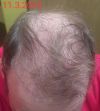
The user's 42 month experience using finasteride for hair loss, their opinion on minoxidil use and the potential of pyrilutamide and another Chinese drug as treatments.
A user experienced mild side effects from 0.5mg finasteride daily, including increased estradiol and minor gynecomastia. They are considering taking a low dose of exemestane to reduce estrogen levels.
Switching from finasteride to dutasteride can cause initial shedding, but many see long-term hair regrowth and stabilization. Responses vary, with some experiencing fewer side effects and others finding it less effective.
Switching from finasteride to dutasteride and oral minoxidil worsened hair thinning at the hairline and temples. The user is considering returning to finasteride, as dutasteride may not be effective for them.
The user experienced initial hair improvement with dutasteride and minoxidil but saw worsening at seven months, likely due to shedding. The consensus is to continue treatment, as shedding is common and improvement may take up to a year.
Dutasteride and oral minoxidil are not yielding noticeable results for some users, with some considering alternatives like microneedling or hair transplants. Others report slowed hair loss but no regrowth, and some experience side effects or minimal improvement, leading to frustration and consideration of different treatments.
Dutasteride and finasteride for hair loss, with dissatisfaction expressed about dutasteride and consideration of switching back to finasteride. Users share varied experiences, noting individual responses to treatments differ.
ET-02, a PAI-1 inhibitor, is not proven to be more effective than Minoxidil for hair loss. Other treatments like finasteride, dutasteride, PP405, and AMP-303 are also discussed, focusing on cellular senescence and oxidative stress.
Finasteride has led to significant hair regrowth for some users, with noticeable improvements in two months, but side effects like erectile dysfunction have caused some to stop using it. Some users combine finasteride with minoxidil and other supplements, despite concerns about side effects.
A 25-year-old man with hair loss from bleach damage is using oral minoxidil and considering adding Dutasteride for better regrowth and prevention. He seeks advice on Dutasteride's effectiveness and potential benefits over finasteride, and is also curious about RU58841.
People discussing hair loss treatments emphasize the need for patience, as results from using finasteride and minoxidil can take 8-12 months or longer. Some users report early signs of improvement, while others experience continued shedding or slower progress.
A user shared their 3-month hair regrowth progress using 1mg finasteride, 5% minoxidil, and ketoconazole shampoo. Commenters noticed improvement and discussed the importance of waiting 6 months for more significant results.
The conversation is about a user's positive experience with hair loss treatment after 1.5 months, using topical finasteride, minoxidil, keto shampoo, and minoxidil shampoo, despite the drying effect of keto shampoo and a change in hair texture due to accutane. Responses include congratulations, personal experiences with hair loss treatments, and a mention of accutane's negative impact on hair.
The conversation is about a user sharing a nearly 2-year update on hair regrowth using finasteride and minoxidil, with occasional use of microneedling. Commenters are impressed with the significant improvement in the user's hair.
A user's 61-year-old father regained a full head of hair after four years on dutasteride for his prostate and five months of weight loss and exercise. The user decided to switch from finasteride to dutasteride and continue exercising, inspired by his father's results.
A 37-year-old who started losing hair in their early 20s tried minoxidil with little effect, then experienced more loss until 2023. They are now using a treatment including finasteride, minoxidil, biotin, saw palmetto shampoo, and micro needling, and are seeing early positive results.
The post and conversation are about a user's successful regrowth of hair using topical minoxidil and rosemary shampoo. Other users discuss the potential limitations of minoxidil and recommend using finasteride to maintain hair growth.
The conversation discusses the potential positive effects of melatonin on hair growth. The original poster plans to try both oral and topical melatonin and is seeking recommendations for a good source.
Using a combination of Stemoxydine, minoxidil, dutasteride, and keto shampoo to achieve extreme hair and beard growth. The user has experienced positive results with terminal hairs at the hairline and an increase in density to their stubble after several weeks of use.
A user applied a homemade topical finasteride solution daily for 35 days, reducing hair shedding significantly with minimal side effects. They plan to continue for 90 days and will provide further updates.
The user has been using 1mg Finasteride daily for six months, experiencing reduced shedding and itchiness but some frontal thinning. They are considering adding Minoxidil and have started dermarolling to enhance results.
A 27-year-old male physician improved hair density using minoxidil 5% foam and finasteride 1mg every other day, with initial sexual side effects that subsided. He recommends trying finasteride for a year but warns against dutasteride due to potential liver effects.
OP is considering using Stemoxydine or the Ordinary Multi Peptide Hair Serum as a carrier for topical finasteride, avoiding minoxidil due to palpitations. They plan to crush finasteride pills into a 30 ml solution.
Creating a carrier solution for topical hair loss treatments using ethanol, propylene glycol or glycerin, and instructions on creating topical finasteride. Different recipes are provided with varying ratios of alcohol to humectant.
The user has been using Dutasteride, Minoxidil, Ketoconazole, and RU58841 for hair loss but sees subpar results. Suggestions include adjusting treatments, considering a hair transplant, and addressing scalp inflammation.
A 19-20-year-old has been using 0.5 mg of dutasteride daily for a year to combat hair loss, avoiding minoxidil due to side effects. They plan to continue this regimen and consider a future hair transplant, experiencing no significant side effects from dutasteride.
The user is experiencing breast tissue growth from taking dutasteride and minoxidil, and is considering reducing the dosage or stopping the medication. Suggestions include seeing an endocrinologist, using Raloxifene or Arimidex, and considering topical treatments or surgery if necessary.
The user shared their hair regrowth progress using a combination of treatments including finasteride, dutasteride, minoxidil, tretinoin, Sulfogenz, KX-826, low-level laser therapy, and microneedling. They plan to continue medication for another year before considering a hair transplant, noting steady improvement but not major changes.
The user replaced finasteride with saw palmetto due to availability issues and experienced side effects, leading to adjustments in their regimen. They use saw palmetto, minoxidil, Nizoral, and a dermaroller, reporting reduced side effects and some benefits, with hair fall ranging from 5 to 20 hairs daily.
A user switched from finasteride to dutasteride and from topical to oral minoxidil, experiencing significant hair shedding. They plan to continue this regimen for a year before deciding on any changes.