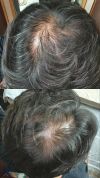
Tretinoin combined with minoxidil is effective for hair loss and can be used once daily. The user seeks a compounding pharmacy to mix these without finasteride.
The conversation provides scientific sources on hair loss treatments like finasteride, minoxidil, and others, aiming to help individuals make informed decisions about their treatment options. It also discusses phytochemicals as alternative treatments due to concerns about side effects from drug-based therapies.
PP405, a topical LDH inhibitor, has shown to stimulate hair follicle stem cell proliferation in humans with moderate hair loss. They are advancing to more detailed trials this year.
The post discusses using finasteride, minoxidil, ketoconazole, and a dermaroller for hair loss, along with spearmint capsules, pueraria mirifica, saw palmetto, biotin, and vitamins. The user is also considering microdosing finasteride with trans treatment and mentions the potential of herbal enemas and hair systems.
A user is seeking a hair-loss shampoo without salicylic acid due to an allergy. Recommendations include using Finasteride, Minoxidil, and Nizoral Anti-Dandruff Shampoo (ketoconazole), while avoiding Nizoral Scalp Psoriasis Shampoo & Conditioner.
A user is interested in creating a hair growth serum using oleic acid, palmitoleic acid, and anhydrous ethanol, and seeks advice on sourcing these ingredients. Another user plans to mix these with minoxidil, which already contains ethanol, and mentions using RU58841.
A 25-year-old man with mild hair loss is using a topical finasteride treatment, biotin and ajuga reptans supplements, ketoconazole shampoo, and microneedling for hair growth. Due to a heart condition, he can't use minoxidil and is seeking alternative hair growth treatments, considering both medicinal and natural remedies like rosemary oil.
The conversation discusses how to use fluridil/topilutamide with other hair loss treatments like liquid minoxidil and CB-03-01, considering fluridil's hydrophobic nature and potential degradation with water. The user questions the necessity of washing hair only once per week as suggested by the manufacturer.
The user uses 1mg fin every other day, a topical solution of 5% min + 0.1% fin nightly, and seeks advice on oils for hair growth. Replies suggest oils are ineffective and recommend sticking with fin and min treatments.
Treating hair loss with various remedies, such as Cetirizine and the Big3 complex (minoxidil, finasteride, and RU58841), which have properties like adipogenic, anti-fibrotic and anti-inflammatory. References to research studies are also included.
A 24-year-old male with crown thinning and an oily scalp is seeking advice on shampoo recommendations and whether to restart minoxidil or try a hair growth serum. He is concerned about daily shampooing and managing greasy hair.
A serum containing Centella asiatica extracellular vesicles, IGF-1, FGF-7, and caffeine significantly improved hair thickness, density, length, and reduced hair loss after 56 days. The conversation also discusses how treatments like finasteride, minoxidil, and ketoconazole address different aspects of hair loss by reducing DHT, improving blood flow, and lowering inflammation.
The original poster found that using rosemary oil, peppermint oil, jojoba oil, oral castor oil, head massages, ketoconazole shampoo, omega-3 fatty acids, and a multivitamin reduced their hair loss from 150 to 50 hairs a day. Another person reported a significant drop in hair loss using a similar oil blend with additional ingredients.
Exploring hair loss treatments beyond DHT, including Minoxidil, pyruvate, Gt20029 targeting androgen receptors, and vasodilators. Other options like Kx826, adenosine signaling, growth factor topicals, and microneedling are also discussed.
Hair loss treatment with latanoprost, minoxidil, and biotin showed progress. Latanoprost, a glaucoma drug, stimulates anagen phase and increases conversion of vellus hair to terminal hair.
A 24-year-old with early hair loss is managing it with finasteride, minoxidil, and dutasteride, and is considering using a hair system for more styling options while maintaining transparency. They emphasize confidence and self-expression over hair, viewing it as an amplifier rather than a foundation.
Minoxidil, finasteride, and RU58841 are discussed as treatments for reducing hair thinning. The conversation focuses on the effectiveness of these ingredients in addressing hair loss.
A 28-year-old male on TRT with a family history of MPB reports that consuming 1-2 tbsp of virgin coconut oil daily reduces hair loss and improves hair condition. Stopping the oil leads to increased hair fall and dryness.
Hair restoration treatments like finasteride, minoxidil, dutasteride, and hair transplants can greatly enhance self-image and dating life. Opinions differ on whether to embrace baldness or pursue treatments for maintaining hair.
The user experienced hair loss from overwashing and frequent product changes, seeking alternatives to Minoxidil due to having pets. Suggestions included using oral Minoxidil, ketoconazole shampoo, and maintaining a consistent haircare routine with gentle, sulfate-free products.
Finasteride is key for hair regrowth, supported by oral/topical minoxidil, Folexin, Nizoral/Head & Shoulders, and vitamin D. No side effects experienced; early intervention and patience are crucial.
Liquid minoxidil makes hair sticky and stiff; users suggest oral minoxidil or minoxidil foam as alternatives. Applying minoxidil four hours before showering can help with absorption.
A 21-year-old experiencing hair loss was prescribed two shampoos and hair vitamins by a dermatologist who suggested seborrheic dermatitis as the cause. However, users in the conversation suggested the hair loss could be male pattern baldness (MPB), recommending monitoring the situation and considering finasteride as a treatment.
The conversation is about skepticism towards a product marketed as a "DHT BLOCKER" for hair loss, with users suggesting it is a scam and recommending proven treatments like finasteride and minoxidil. Other suggestions include lifestyle changes like a healthy diet, exercise, and stress reduction.
Using hair fibers daily is generally fine, but it's important to choose a quality keratin-basedproduct to avoid scalp irritation. The user combines hair fibers with a regimen of finasteride, minoxidil, microneedling, and ketoconazole.
A user is seeking feedback on "Hair Gro" by New Nordic, which they are using alongside Rogaine, Nizoral shampoo, and castor oil for hair growth. They plan to update on their progress with the product, which contains ingredients like apple extract, millet extract, tocotrienols, tocopherol, L-Methionine, silicon, zinc, and biotin.
A user plans to experiment with creating new hair follicles using methods like derma rolling, applying lithium chloride, tannic acid, and various other substances including caffeine, ketoconazole, and raspberry ketones. They also consider using anti-inflammatories, immunosuppressants, and DHT inhibitors to potentially improve results.
A user shared their haircare routine for hair loss, which includes washing with Nizoral, using Minoxidil and Finasteride, and seeking advice for better results. Other users discussed their own routines, including the use of vitamins, red light therapy, and varying dosages of Finasteride, with some expressing concerns about the harshness of Nizoral and the potential side effects of treatments.
A 25-year-old woman with androgenic alopecia is experiencing hair dryness and damage after using topical minoxidil and Nizoral. She is advised to reduce washing frequency, use a bond builder like K18, apply a silicone-based serum, and consider using a shower filter and different oils like argan oil for better hair health.