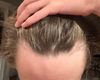
Hair fibers impressively cover bald spots, boosting confidence. User started big 3 treatment (0.5mg fin, 1 time minoxidil 5% topical, ketoconazole 2%) for regrowth.
A 17-year-old is experiencing hair shedding and is concerned about a receding hairline, using hairproducts like powder and sea salt spray. Advice given includes maintaining good nutrition, ensuring hairproducts don't build up, and considering further resources if worried.
The conversation discusses using oils like pumpkin seed, rosemary, peppermint, and grape seed oil for hair regrowth, claiming they can be as effective as finasteride or minoxidil without side effects. Some users remain skeptical and prefer proven treatments like minoxidil.
Hair loss discussion includes using hair fibers to improve appearance and boost confidence. Some users find it effective, while others mention drawbacks like moisture affecting the look.
A 34-year-old man is using natural methods like rosemary and peppermint oil, micro-needling, and low-level laser therapy to manage hair thinning, avoiding medications like minoxidil and finasteride. Despite minimal visible progress, he values the non-medicated approach and remains consistent with his routine.
The user has been using finasteride for 4 months with positive results, including thicker and darker hair. They are seeking advice on maximizing hair growth without minoxidil, using a routine that includes finasteride, rosemary oil, argan oil, topical melatonin, specialized shampoos, and vitamins.
The user expresses positivity about managing hair loss and celebrates good hair days. They mention using finasteride (Propecia) as part of their treatment.
Hair loss treatments like finasteride, minoxidil, dutasteride, and RU58841. Users suggest hair fibers for temporary coverage and consider hair transplants for permanent solutions.
The conversation discusses various hair loss treatments, including Minoxidil, Finasteride, Dutasteride, Ketoconazole shampoo, microneedling, and supplements like collagen, biotin, and vitamins. Users suggest additional treatments like red light therapy, scalp massages, and possibly adding RU58841 or Tretinoin.
The conversation is about adding Swisse Hair Nutrition for Men, which contains saw palmetto and various vitamins, to a Minoxidil and finasteride regimen to potentially enhance hair growth. The user is seeking feedback on the effectiveness of stacking these supplements with their current treatment.
The user has been experiencing hair loss since their teens, is now 30 years old, and is considering using a combination of finasteride, minoxidil, and derma rolling as a last effort to combat hair loss after trying other treatments like Regaine and caffeine shampoos with limited success. They are seeking advice on how to start this treatment and where to purchase the products in the UK.
The post and conversation are about a hair loss treatment regimen involving 30% minoxidil cream nightly, 5% minoxidil in the mornings, finasteride, weekly 1.5 derma pen, daily 0.5 microneedling for minoxidil absorption, daily multivitamin with biotin, low-level laser therapy every other day, daily scalp massages, Hims shampoo, and daily coffee rinses. The user hopes for hair regrowth and plans to update in one year.
The user is using finasteride 1mg every other day and seeks a topical solution to complement it, excluding minoxidil. They are considering various combinations of ingredients like finasteride, dutasteride, and tofacitinib, with options for nourishing oils and other additives.
Hair loss treatments, including PP405, minoxidil, finasteride, and RU58841, with hopes for future solutions. Participants discuss the emotional impact of hair loss and consider alternatives like hair transplants or acceptance.
DutchFella1993 has been using a lotion with finasteride and minoxidil for hair regrowth with some success and is considering using ketoconazole shampoo daily to reduce scalp itchiness. There's concern about the harshness of daily shampooing and twice-daily lotion application, and one reply suggests that daily use of ketoconazole may damage hair and questions its effectiveness, while also noting that once-daily minoxidil application is sufficient.
A 21-year-old is using a combination of topical finasteride, topical and oral minoxidil, a liquid multivitamin, collagen powder, liquid biotin, microneedling, and red light therapy to address hair thinning. They are cautious about side effects and unsure if their hair loss is due to DHT or past brushing habits.
The user is seeking recommendations for scalp-friendly minoxidil and RU58841 products available in the UK, as previous products caused scalp inflammation. They mention issues with RUDirect and MinoxidilMax products.
Hair appearance fluctuates due to factors like styling, product buildup, and humidity, causing frustration for those with diffuse thinning. Treatments mentioned include minoxidil, finasteride, ketoconazole shampoo, and RU58841, with mixed results.
The conversation discusses hair loss struggles and treatments, including oral minoxidil, oral finasteride, and RU58841. Users share experiences and advice, suggesting options like topical minoxidil, microneedling, hair transplants, and scalp micropigmentation.
Adding an LLLT laser cap to a routine of finasteride, minoxidil, and ketoconazole shampoo significantly reduced hair shedding from 200+ hairs a day to around 80, improving scalp health. The user attributes the laser cap as the key factor in stabilizing hair loss after two years of using other treatments.
The user is experiencing white flakes and a greasy look from using a topical solution containing 0.025% finasteride, 8% minoxidil, 0.01% retinoic acid, and 1% hydrocortisone. Suggestions include reducing application frequency, using a brush to clean the scalp, and considering alcohol-free alternatives.
The product being promoted is likely ineffective for hair regrowth, as it lacks key ingredients like minoxidil and finasteride, and may rely on deceptive marketing tactics such as lighting tricks. Users suggest that proven treatments like minoxidil and finasteride are more reliable for hair loss.
The conversation discusses whether topical finasteride, dutasteride, or antiandrogens like RU58841 can reduce sebum overproduction as an early indicator of their effectiveness in treating hair loss. It suggests that while hair growth may take months to observe, a decrease in oiliness could be a quicker sign of a product's action.
The conversation is about a hair loss serum mix containing 5% capixyl, 3% redensyl, and procapil. The user is asking for recommendations or opinions on the effectiveness of this product.
Improving diet and taking supplements like Biotin, B12, D3, iron, zinc, and protein can enhance the effectiveness of hair treatments. However, responses to treatments like Minoxidil and finasteride vary, and some users report no improvement despite a good diet.
The post discusses the effectiveness of pyrilutamide for hair loss. The user maintains hair with alfatrodial, fluridil, minoxidil, and keto shampoo but is seeking a simpler and cheaper alternative.
A user experienced significant hair regrowth using Lipogaine, alongside supplements, coffee, green tea, onion oil, rosemary, and Nizoral shampoo, after Propecia caused side effects. Another user reported no progress with Lipogaine after two months, noting inconsistent application.
The user is experiencing positive hair regrowth results after 3 months using finasteride and minoxidil both orally and topically, along with biotin and ketoconazole. They also use a shampoo containing caffeine and biotin.