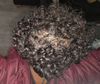
An individual's journey to treat their severe hair loss condition using the medications Pyrilutamide and RU58841. They will provide regular updates on their progress.
A user's two month update on their hair loss journey and the treatments they are trying, which include exosome injections, minoxidil, finasteride, and RU58841.
The user is experiencing hair loss and is considering using topical minoxidil and finasteride due to concerns about liver health, specifically elevated ALT levels from fatty liver. They are advised to start with topical treatments while continuing weight loss and dietary changes to improve liver function.
The conversation discusses using Rogain foam as a solvent for topical finasteride due to an allergy to propylene glycol. The foam's ingredients, including alcohol SD 40B, are considered suitable for dissolving finasteride for easier application without skin irritation.
The conversation is about using Biolabshop's RU58841 product, which includes GHK-Cu and melatonin, to improve hair quality and combat hair loss. The user has previously used finasteride, minoxidil, and Anageninc’s RU58841 with success and seeks feedback on the new product, especially from those on anabolic steroids or hormone treatments.
The conversation discusses affordable low-level light therapy (LLLT) products for hair loss, with users debating the effectiveness of red LEDs versus lasers. The original poster is already using finasteride, minoxidil, ketoconazole, and microneedling, and is seeking budget-friendly LLLT options to add to their regimen.
The user shared their 9-month progress using exosomes and topical minoxidil for hair loss, concluding that minoxidil was more effective for them than exosomes. They plan to continue using minoxidil and have started finasteride while managing dandruff with salicylic acid.
Lactobacillus reuteri 6475 is being used by a person who reports healthier hair after one month, despite initial shedding. The discussion includes speculation about its effects on gut bacteria and scalp inflammation.
The conversation is about the systemic absorption of Minoxidil and the potential switch from topical to oral Minoxidil due to its effectiveness. The user considers oral Minoxidil after experiencing no side effects from a year of using 15% topical Minoxidil.
The conversation discusses the potential use of verteporfin for hair loss treatment, with one user mentioning their surgeon's interest in trying it and another noting its research status and clinical use as a YAP inhibitor. Some users debate the market size, availability of generics, and the optimism in the hair loss community regarding new treatments.
Pyrilutamide's long-term stability is uncertain, with potential degradation after 8-9 months if not stored properly. It's recommended to use fresh batches and store them in a cool, dark place.
The conversation discusses purchasing RU58841 for hair loss treatment, with recommendations for buying from Lyphar Biotech and Carolina Chemicals. It suggests storing RU58841 in the fridge.
The conversation is about creating a higher concentration of the newly FDA-approved hair loss treatment, Clascoterone (Winlevi), through compounding pharmacies and possibly organizing group purchases. Some users are unfamiliar with Winlevi and are asking for an explanation of the drug.
A user is making their own dutasteride solution using MCT oil but is concerned about its effectiveness and bioavailability. They are considering using propylene glycol or adding ethanol for better results, while others suggest the current dosage might be excessive.
A new Latanoprost-based formula used by Hollywood celebrities to treat hair loss, with the formula containing minoxidil, tretinoin, melatonin, azelaic acid, zinc thymulin, vitamin B6, sandalore and methyl vanillate. It also mentions the potential of offering a combined sublingual minoxidil/oral dutasteride option in the future.
The conversation discusses the potential effectiveness and risks of using topical finasteride for hair loss, with considerations about using DMSO as a vehicle for application. Concerns are raised about DMSO's safety, absorption issues, and the systemic effects of topical finasteride.
The conversation discusses hair loss treatments, specifically Regenera stem cells and exosomes from 'Cellgenic' umbilical cord donors. The user has been using topical minoxidil 5% and 0.001% estradiol for a year without seeing effects, and another user mentions the importance of microneedling.
The user is attempting to create a topical finasteride solution by mixing crushed finasteride pills with minoxidil but is facing solubility issues. They are unsure if the finasteride has dissolved properly and are seeking advice on whether it is safe to use and if there is a solution to the problem.
Winlevi is being considered for hair loss by someone who wants to avoid systemic hormonal changes. Minoxidil, finasteride, and RU58841 are also mentioned as treatments.
Calecim (PTT-6) Advanced Hair System is a 6-week hair restoration product using stem cell-derived ingredients to stimulate hair growth. Users are skeptical, calling it overpriced and ineffective, suggesting alternatives like LLLT devices or PRP treatments.
Exosomes are being discussed as a potential hair loss treatment, with some users skeptical about their effectiveness and stability. There is interest in different types of exosomes, including those derived from centella asiatica, and comparisons are made to other treatments like finasteride.
Longitudinal partial follicular unit transplantation involves extracting part of the donor follicular unit, allowing the donor area to be overharvested without noticeable hair loss. The conversation questions if this method is practiced in clinics or if it's theoretical, and whether it relates to hair cloning or multiplication.
PP405 is a potential hair loss treatment that inhibits mitochondrial pyruvate carriers, increasing lactate dehydrogenase activity and stimulating hair follicle stem cells. In a phase 1 trial, 31% of participants showed over 20% hair density increase with PP405 treatment.
The user is seeking advice on maximizing hair growth while using oral finasteride, topical minoxidil, Nizoral, and microneedling, and is considering adding a laser diode cap, topical finasteride, retinol, and caffeine. Suggestions include using tretinoin with minoxidil for better absorption, switching to dutasteride, and considering RU58841 or pyrilutamide.
The user discusses a galenic hair lotion containing progesterone, estradiol, cyproterone, hydrocortisone butyrate, and cetirizine pheniramine, which has effectively stopped their hair loss over two years. They are curious about the compatibility of finasteride with the lotion's components and note that their trichologist has successfully used minoxidil and finasteride in similar treatments for others.
A 45-year-old male successfully slowed hair loss using Nizoral and low-level laser therapy (LLLT) but cannot use Minoxidil, finasteride, or dutasteride for medical reasons. He seeks suggestions for hair regrowth options.
Low Dose Naltrexone (LDN) may reduce inflammation in alopecia conditions. It is discussed as a potential adjunct treatment with finasteride or dutasteride for androgenic alopecia.
Exosome therapy for hair loss is being discussed, with mixed personal experiences and no significant results reported by some users. The treatment is expensive, and users are skeptical about its effectiveness.
The conversation is about finding a reliable Chinese source for pyrilutamide or RU58841, ideally with a third-party Certificate of Analysis from Janoshik Analytical. The user is seeking recommendations for these hair loss treatments.