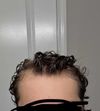
A person experiencing hair loss is using finasteride and considering minoxidil but is worried about side effects like heart palpitations. They seek advice on continuing minoxidil, trying alternatives like microneedling, or considering a hair transplant.
User has maintained hairline with minoxidil for 8 years but now seeks to add topical finasteride due to increased hair loss. They request advice on making a homemade finasteride solution, including ingredient recommendations and optimal percentages for ethanol and glycerin.
The user has been using oral finasteride, oral and topical minoxidil, RU58841, and microneedling to treat hair loss, with recent additions of oral dutasteride, GHK-Cu serum, and increased microneedling. They report visible thickening and new hair growth, expecting significant improvement by next June.
Microneedling with minoxidil significantly boosts hair growth, even for non-responders to minoxidil alone. The routine includes a 1.5mm dermaroller weekly and minoxidil twice daily, with some users adding finasteride and tretinoin.
Applying hair loss treatments like minoxidil and finasteride, with concerns about side effects and application timing. Some users experience side effects, while others manage without issues, and there's interest in future treatments like pyrilutamide.
Microneedling for 6 months with minoxidil showed no improvements in hair growth. User seeks advice on other treatments or whether to continue microneedling; current stack includes finasteride, eucapil, and minoxidil with tretinoin.
The availability of Topical Dutasteride, a potential treatment for hair loss, which can be purchased without prescription from MinoxidilMax. Other treatments discussed include Topical Finasteride and PRP injections, with discussion around dosage, efficacy, side-effects and safety.
The user has been using 5% minoxidil with derma stamping and recently switched to foam, noticing more shedding. They are considering finasteride as the next step due to a family history of hair loss.
A user shared a hair growth stack using minoxidil sulfate, valproic acid, bimatoprost, blue copper peptide, and other ingredients, emphasizing a gel-based formula for better skin tolerance. Another user suggested adding a 5-alpha-reductase inhibitor like finasteride or dutasteride for more effective long-term results.
A 22-year-old male experienced positive hair regrowth after using oral minoxidil and finasteride for over four months, noting slight changes in hair density. He initially used topical minoxidil but switched to oral due to having pets, experiencing minimal shedding and no significant side effects after initial lethargy from finasteride.
Finasteride and minoxidil are effective for hair regrowth, with some users experiencing significant improvement without side effects. However, results vary, and some people report side effects or no improvement.
Microneedling with minoxidil and finasteride greatly improves hair regrowth. Using 0.5mm depth every other day boosts minoxidil absorption without side effects.
The user shared progress pictures showing hair improvement after using 1mg oral finasteride and topical minoxidil daily for three months. They experienced initial side effects but reported no issues after five weeks, and the conversation includes discussions on the effectiveness and side effects of these treatments.
The conversation discusses hair loss treatment with finasteride, which has shown positive results for the user over 1.5 years. Concerns about using minoxidil due to its toxicity to pets, especially cats, are also highlighted.
The user experienced significant hair regrowth in two months using minoxidil foam and 0.5mg finasteride every other day, despite some side effects. They are considering adjusting the finasteride dosage and possibly adding biotin or dermarolling to their routine.
Minoxidil with alcohol and propylene glycol was more effective than non-alcohol versions, and RU58841 worked best in a non-water-based solution. Oral finasteride showed better results than topical, despite side effects; microneedling and tretinoin worsened hair loss, and PRP was only helpful when younger.
A user shared a 3.5-month hair regrowth progress using Minoxidil, ketoconazole, and dermarolling, and has started taking oral finasteride to maintain gains. There was a significant initial hair shed, which is normal for these treatments.
A user shared a tragic experience where their cat died after being exposed to Minoxidil, warning others of its toxicity to pets. Some users discussed switching to oral hair loss treatments, while others expressed condolences and shared their own concerns and experiences with topical treatments around pets.
The post and conversation are about a user claiming to be 137 years old with a full head of hair. Specific treatments mentioned include dutasteride, RU58841, and minoxidil.
A 25-year-old with AGA experienced hair thinning and dandruff, stabilized with topical finasteride and minoxidil but saw minimal regrowth. They seek advice on styling and consider oral minoxidil and microneedling for denser hair.
User experienced scalp itching and hair loss, but found relief with oral minoxidil. Others suggest "DHT itch" as a possible cause and recommend finasteride and ketoconazole to address it.
Hair loss discussion includes treatments like Minoxidil, finasteride, and RU58841. Platelet rich plasma treatment is considered expensive but cheaper than hair transplant.
Minoxidil effective for regrowth but causes dryness; finasteride stops hair loss but may affect hormones; dutasteride powerful but reduces libido; RU58841 thickens hair but expensive and risky; dermarolling improves blood flow and results; aminexil overrated and not effective. Dermarolling beneficial with both minoxidil and finasteride.
Hair loss treatments, specifically the use of oral minoxidil in combination with micro-needling. Oral minoxidil has been found to improve hair density in 90% of patients with a low side effect profile, but using 5mg per day can result in higher side effects including hypertrichosis and edema. Other treatments mentioned include finasteride and RU58841.
To maintain hair regrowth, users suggest parting the hair to apply treatments like minoxidil and finasteride directly to the scalp. Consistent application is necessary to prevent hair loss from returning.
The conversation discusses using RU58841 mixed with topical minoxidil for hair loss, noting its chemical instability and storage challenges. A user shares their experience using RU58841 with ethanol and propylene glycol, mentioning no significant results yet.
The user experienced hair regrowth with oral Minoxidil, dandruff shampoo, topical Nanoxidil, and Revita Shampoo but lost progress after stopping Nanoxidil temporarily. They are now using topical Nanoxidil and oral dutasteride but are experiencing increased shedding and are unsure whether to continue or revert to their original regimen.