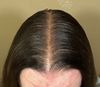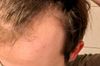
A 16-year-old diagnosed with male pattern baldness (MPB) was prescribed hair vitamins, vitamin D, a non-ketoconazole shampoo, and redenysl + serum, with a suggestion for GFC or IHRF treatments. Some users recommended minoxidil, ketoconazole, and derma stamping, while others advised against certain treatments until the age of 18.
The conversation discusses hair loss treatments, including Minoxidil, finasteride, and RU58841. It also mentions ongoing human trials for hair multiplication/cloning at Yokohama National University, with skepticism about the timeline.
The conversation discusses concerns about potential hairline miniaturization and whether to start finasteride as a preventive measure. Recommendations include consulting a specialist and considering treatments like finasteride, dutasteride, minoxidil, and ketoconazole.
The conversation discusses using 2.5mg minoxidil and 1mg finasteride capsules daily for hair loss, with the addition of Nizoral shampoo for dandruff. It suggests switching to Selsun Blue if Nizoral worsens the condition.
A dermatologist prescribed Betnovate scalp, a corticosteroid, for a 21-year-old male's hair loss due to DHT. The individual is considering using Nizoral shampoo, topical finasteride, a derma roller, and minoxidil, but is unsure about the effectiveness of two other products suggested by the dermatologist.
The user shaved their head and is using finasteride and minoxidil for hair loss, expressing confidence in the process despite challenges. They are considering additional treatments like microneedling and are open to trying different looks, including facial hair growth.
The user plans to enhance their hair loss treatment with oral minoxidil, finasteride tablets, laser cap therapy, and various supplements. They are also considering a hair transplant and exploring reputable sources for these products.
PP405, a topical LDH inhibitor, has shown to stimulate hair follicle stem cell proliferation in humans with moderate hair loss. They are advancing to more detailed trials this year.
A 26-year-old with extreme male pattern baldness saw hair regrowth after 6 months using Minoxidil, Finasteride, microneedling, Nizoral, a vitamin complex, biotin, and a shampoo with baicapil. Continuation of treatment is necessary to maintain results; stopping may lead to hair loss, making a hair transplant a potential future option.
A 27-year-old woman is struggling with hair loss, feeling self-conscious and seeking advice on coping. She mentions trying Minoxidil but is hesitant due to scalp issues and is looking for ways to regain confidence.
The conversation discusses the effectiveness and value of a Locklabs pill containing finasteride, minoxidil, biotin, and a low dose of dutasteride for hair loss. The user is uncertain if the .1mg dutasteride dosage is sufficient and worth the cost.
A 25-year-old is concerned about a receding hairline and has been using minoxidil and finasteride for 3 months. Suggestions include using a blowdryer and clay to add volume and style the hair with a wave.
The user tried oral minoxidil and dutasteride for hair loss after topical treatments failed, but with limited success. They suggest considering a hair system (toupee) as a more cost-effective and less complicated alternative to extensive non-regulated treatments.
J. Hewitt plans to trial hair multiplication in Japan by the end of 2019. The technique was developed by German researchers at the University of Berlin and formed the company "TissUse."
The conversation is about a user experiencing a tingling sensation and redness on their scalp, possibly related to hair loss treatments. Suggestions include using Nizoral shampoo and consulting a dermatologist, while the user mentions using oral finasteride.
The conversation discusses the potential of GT20029 to stop hair loss and possibly regrow hair, considering the body's regenerative abilities. No specific treatments were mentioned due to the original post being removed.
Baldness is difficult to cure because current treatments like finasteride, dutasteride, and minoxidil only prevent hair shedding, and new developments are mostly ineffective. Botox shows potential in aiding skin regeneration and hair growth, but maintenance therapy with treatments like dutasteride and minoxidil may still be necessary.
A 26-year-old is using Minoxidil, Saw Palmetto, and dermarolling for hair loss and is considering switching to topical Finasteride. They are self-conscious about hair thinning and are seeking advice on whether to continue treatment or shave their head.
A 28-year-old man shared his experience with a 2990 graft FUE hair transplant at HDC Clinic in Cyprus, praising the professionalism and care received. He has been using topical Minoxidil, Biotin, Dermarolling, and recently started Finasteride and oral Minoxidil.
Hair loss advice: get a shorter haircut and use hair building fibers like Toppik to improve appearance. User on big 4 treatments: Minoxidil, dermapen, Nizoral, and finasteride.
Pelage Pharmaceutical raised $120 million to continue research on PP405, a promising hair loss treatment that showed a 20% increase in hair density in 31% of men during a Phase 2a trial. The treatment was well-tolerated, with no systemic absorption, and Phase 3 trials are planned for 2026.
A user shared their experience using capsaicin from chili peppers and occasional topical minoxidil to promote hair growth, noting noticeable improvements without significant side effects. They previously experienced side effects from dutasteride and minoxidil but found the new regimen effective and manageable.
A new drug, PP405, is being discussed as a potential cure for baldness, with hopes it could be more effective than Minoxidil and Finasteride. Users are skeptical about its effectiveness and the need for lifelong use.
People often notice and analyze others' hairlines due to their own insecurities about hair loss. Treatments mentioned include finasteride, minoxidil, dutasteride, and red light therapy.
The post and conversation discuss Verteporfin's potential as a hair loss treatment. It's shown promise in regrowing hair after transplants and might be effective with microneedling.
User noticed black dots along the hairline and temples, questioning if it's regrowth. They are using a regimen including Dutasteride, oral and topical Minoxidil, and a compounded topical treatment.
Recruitment for a verteporfin trial and a separate hair cloning trial using verteporfin and other methods is underway, with locations in Jordan, NYC, Beverly Hills, and Memphis. Dr. Bloxham is conducting the hair cloning trial, and interested participants are encouraged to contact him directly.
A 42-year-old with a Norwood 2 hairline is using topical minoxidil and finasteride with tretinoin to address hair loss, having previously experienced side effects from oral finasteride and dutasteride. Suggestions include continuing current treatments, considering microneedling, and being patient for results.