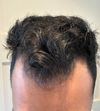
The conversation discusses using topical dutasteride with a dermapen for hair loss treatment. The user is deciding between liposomal and mesosomal formulations for this purpose.
The conversation is about the effectiveness of a hair loss treatment product containing 0.01% Latanoprost, with the user considering trying it as a vehicle for RU58841. The user questions whether the dosage is too low to be effective.
RU58841 caused severe side effects like heart palpitations and shortness of breath, leading the user to stop using it. Minoxidil and finasteride were effective without side effects, while RU58841's safety and effectiveness remain uncertain.
The conversation discusses hair loss treatments, specifically Minoxidil, finasteride, and RU58841. Concerns are raised about the lack of studies on RU58841 and its potential effects.
Low-level laser therapy (LLLT) devices may help thicken existing hair but are not effective for regrowing hair on bald areas. Users suggest sticking with finasteride, minoxidil, and dermapenning, as LLLT devices like Capillus are expensive and results are mixed.
The conversation is about a user experiencing positive hair regrowth results using 1mg of dutasteride, 10% minoxidil, and occasional microneedling, after unsatisfactory results with finasteride. Other users express interest in switching to dutasteride and share similar sentiments about finasteride.
User discusses using low dose topical finasteride without minoxidil for hair loss. Another user shares their experience with homemade 0.025% finasteride topical, shedding, and microneedling.
A 24-year-old shares progress on hair regrowth after 3 months using 2.5mg oral minoxidil, 0.5mg dutasteride, and scalp injections of dutasteride, minoxidil, and vitamins every two weeks. They are uncertain if the improvement is due to actual regrowth or just longer hair.
A 30-year-old male is using dutasteride, minoxidil, ketoconazole shampoo, and various supplements for hair loss, reporting no sexual side effects but experiencing tinnitus. He stopped microneedling and tretinoin cream, saw quick results, and experiences low-intensity shedding.
The conversation discusses a user's impressive hair regrowth progress over 17 months using a topical minoxidil and finasteride spray from HIMS, with suggestions to add microneedling for better results. Some users express skepticism about the authenticity of the results, while others inquire about side effects and application methods.
The conversation discusses the legitimacy of purchasing Pyrilutamide (KX-826) for hair loss treatment. Users mention using Minoxidil and express interest in waiting for phase 3 trials for safety and efficacy confirmation.
The conversation discusses purchasing RU58841 for hair loss treatment, with recommendations for buying from Lyphar Biotech and Carolina Chemicals. It suggests storing RU58841 in the fridge.
The user switched from oral minoxidil to topical minoxidil and added JXL-069/PP405-3HP, along with topical dutasteride, melatonin, and tretinoin. They also use low-level laser therapy (LLLT) but doubt its effectiveness.
A college student is embarrassed after their roommate found and mocked their hair loss medications, including Minoxidil and finasteride. The student is advised to report the privacy violation and consider finding a new roommate.
The conversation is about a user seeking advice on adding GHK-Cu to RU58841 for hair loss treatment, while already using oral minoxidil, dutasteride, ketoconazole shampoo, and considering LLLT. They are unsure about the concentration and carrier solution for GHK-Cu.
The conversation warns against buying RU58841 from Amazon due to concerns about product authenticity and recommends purchasing from trusted sources like Minoxidilmax and Anageninc.
A 29-year-old male has been using 1.25mg oral finasteride for 16 months and 5mg oral minoxidil for 6 months to treat hair loss. The replies indicate positive feedback on the treatment's results.
The conversation is about the delay in receiving updates on the HMI-115 phase 1 trial for hair loss. No specific treatments are mentioned in the conversation.
AMP-303, a new injectable treatment for androgenetic alopecia, showed promising results in increasing hair count and density with minimal side effects. The treatment demonstrated significant hair regrowth and durability, offering new hope for those with hair loss.
RU58841 is a strong non-steroidal antiandrogen for hair loss but may cause cardiovascular issues in some users. Alternatives like Pyrilutamide and Breezula are suggested due to better safety profiles and lower systemic risks.
The conversation discusses a person's hair loss treatment over 1.1 years with finasteride, 1.5 years with minoxidil, and 2 months of microneedling, noting less shedding since starting vitamin D3 a month ago. Commenters are impressed with the results.
The user experienced significant hair regrowth using 5% topical minoxidil and 1mg finasteride daily, despite multiple shedding phases, and emphasizes the importance of starting treatment early and maintaining consistency. They advise against obsessing over online forums during shedding periods and recommend checking for scalp conditions like seborrheic dermatitis and ensuring proper nutrition.
A 24-year-old is using 1 mg oral dutasteride and 1 mg oral minoxidil daily, along with monthly mesotherapy including zinc, dutasteride, minoxidil, biotin, and panthenol, to treat hair loss. The user is considering increasing the minoxidil dose but will consult with their doctor first.
Topical finasteride and minoxidil are not effective for the user, who is considering switching to oral treatments like finasteride or dutasteride. Many suggest oral medications are more effective, and some recommend additional treatments like microneedling and other topical solutions.
A 20-year-old is experiencing hair thinning and is considering Clascoterone and Minoxidil as treatments, avoiding finasteride due to concerns about fertility and hormones. A suggestion was made to use Clascoterone for local DHT targeting and combine it with Minoxidil for maintenance and regrowth while avoiding systemic side effects.
PP405 shows promise for hair regrowth by manipulating stem cell characteristics and lactate dehydrogenase, with Phase 2a trials pending. Google Ventures' $15M investment suggests confidence, but results and market availability remain uncertain.
A 35-year-old male has been using finasteride inconsistently for two years and is hesitant about using minoxidil due to potential side effects. He is considering oral minoxidil and microneedling as alternatives and is unsure if dutasteride is too strong.
Aminexil is similar to Minoxidil but less effective and not widely used, with some users reporting minor regrowth. It is not FDA-approved and has been removed from some products, though some people still use it, often in combination with Minoxidil.
Hair loss discussion includes treatments Minoxidil, Finasteride, and RU58841. Users question effectiveness of HMI-115 and consider waiting longer for results.